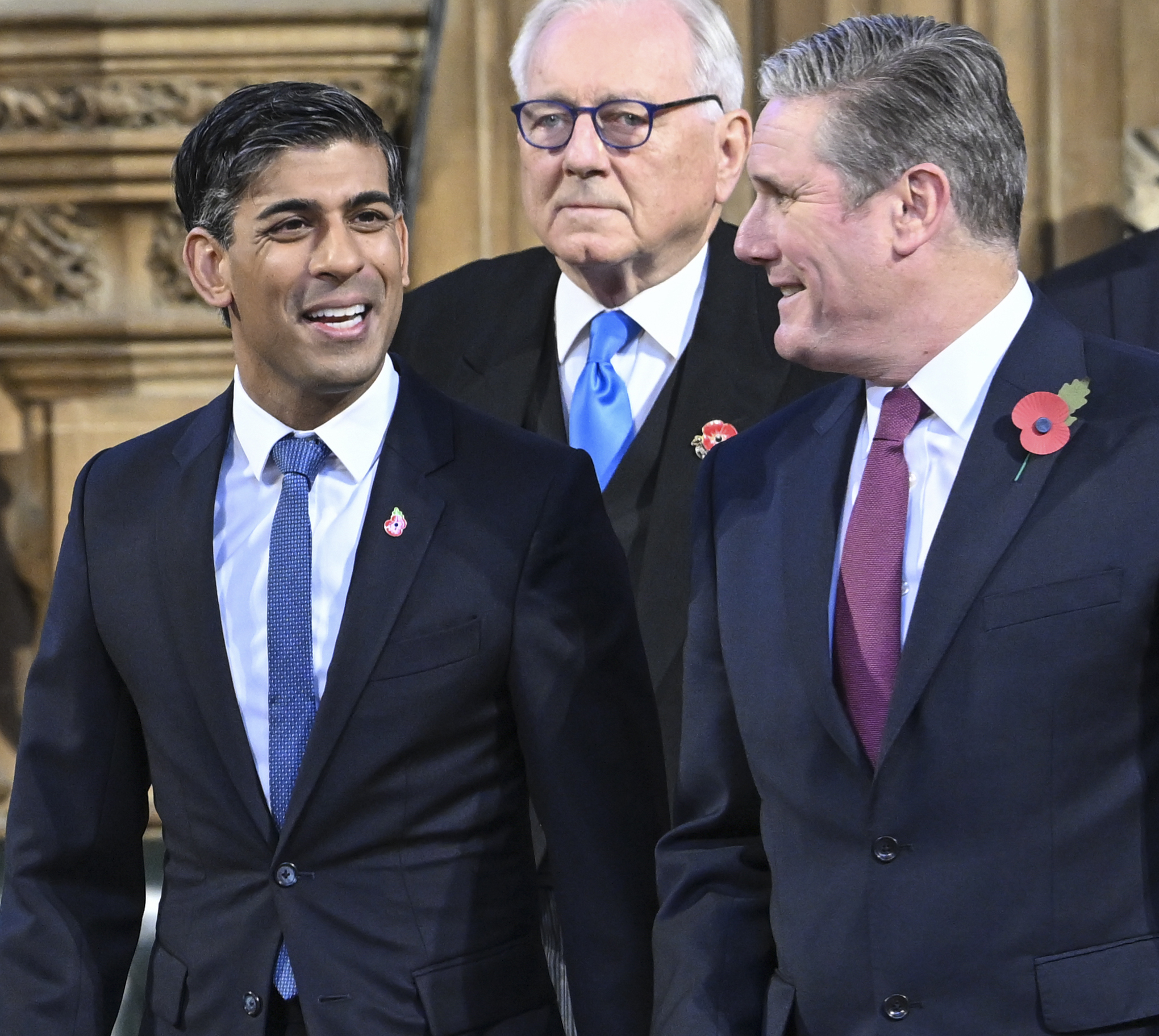
Prime Minister Keir Starmer will deliver a speech Monday aimed at calming an anxious Labour Party and preserving his position as leader [1].
The address comes as a critical attempt to stabilize the government's foundation. Because several Labour MPs have publicly expressed a loss of confidence in Starmer, the Prime Minister faces a leadership crisis that threatens his authority within Parliament [2, 3].
Starmer is expected to use the speech to address the grievances of his caucus and provide a clear path forward for the party's current agenda [1]. The internal friction has reached a point where the Prime Minister must now plead for the continued support of his colleagues to avoid a formal challenge to his leadership [3].
This moment represents a significant test of Starmer's ability to manage the internal dynamics of the Labour Party while governing the United Kingdom [2]. The speech will be closely watched by both allies and detractors to determine if the Prime Minister can bridge the divide between the party leadership and its dissenting members [1].
While the exact number of MPs who have withdrawn their confidence has not been specified, the public nature of the dissent has created an atmosphere of instability at Downing Street [2]. The outcome of Monday's address will likely determine whether the party enters a period of prolonged instability, or returns to a state of unity [1, 2].
Starmer's strategy relies on the hope that a direct appeal to the party's core values and a reaffirmation of his goals can stifle the momentum of those seeking a change in leadership [3].
“Starmer is set to deliver a speech aimed at calming an anxious Labour Party.”
This situation indicates a widening gap between the Prime Minister's strategic direction and the expectations of his parliamentary colleagues. If the speech fails to reconcile these factions, the UK government may face a formal leadership challenge, which could paralyze legislative efforts and weaken the administration's standing with the public.


