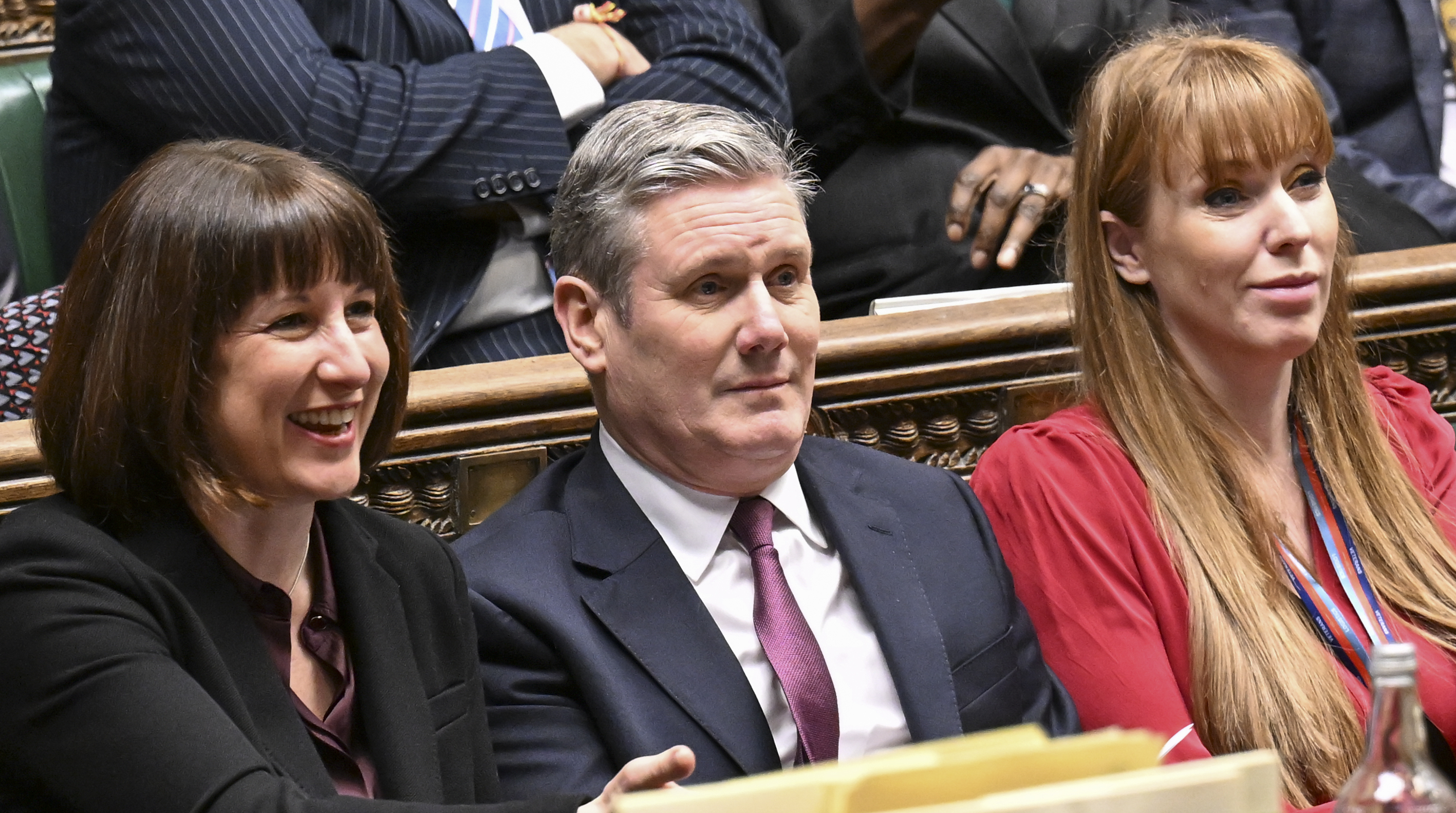
Prime Minister Keir Starmer (Labour) said he will remain in his post after his party suffered heavy losses in local elections today.
The results signal a significant shift in the British political landscape, as voters expressed dissatisfaction with the governing party's performance by turning to right-wing alternatives.
The elections took place across England, Scotland, and Wales on May 8, 2026 [4]. While Starmer vowed to continue fighting for his party, the numbers indicate a sharp decline in Labour support. The party's council seat tally fell by 237 seats [2].
In contrast, Nigel Farage (Reform UK) saw his party make sweeping gains. Reports on the scale of the victory vary; Bloomberg reported that Reform UK won 311 new council seats [1], while The Globe and Mail stated the party gained more than 400 council seats [3].
This surge for Reform UK suggests a growing appetite for Farage's platform among the electorate. The losses for Labour are being viewed as a direct punishment of Starmer's leadership and the party's current trajectory.
Starmer said he intends to stay on and lead the party through this period of volatility. Despite the seat losses, the Prime Minister has not indicated any plans to change his core policy objectives or step down from leadership.
“Starmer vowed to stay on and continue fighting as Labour suffered heavy local-election losses.”
The results represent a volatility in UK local governance that could pressure the national government. By gaining hundreds of seats, Reform UK has transitioned from a peripheral movement to a tangible local power, potentially forcing the Labour government to address the specific grievances that drove voters toward Nigel Farage.


