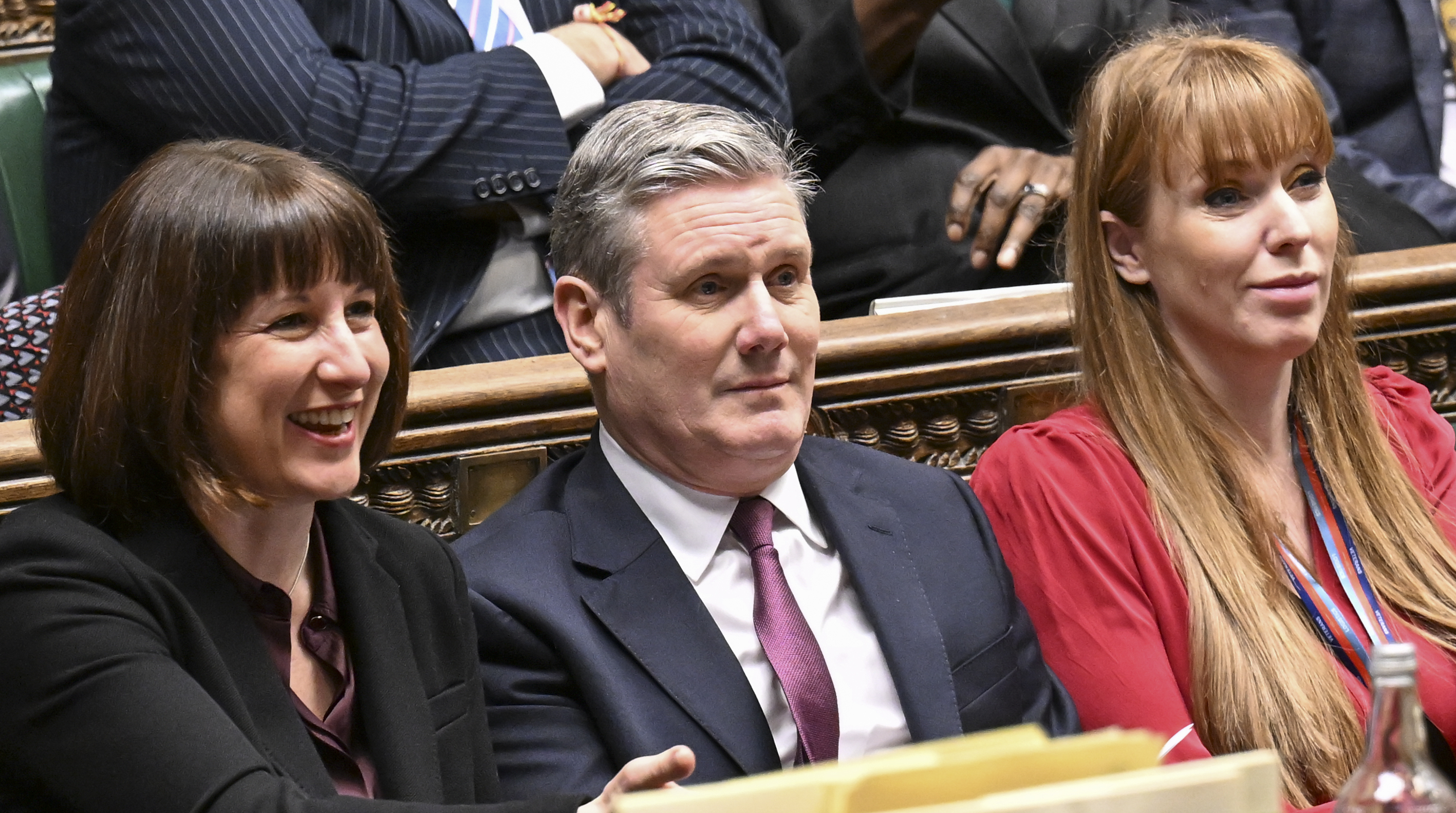
Prime Minister Keir Starmer and the UK Labour Party are facing growing internal pressure as the party slips in national polling [1].
The decline in support comes at a critical juncture for the government. With a series of local and regional elections scheduled for May 2026, the party's inability to maintain its lead suggests a vulnerability to right-wing challengers and internal policy fractures.
Recent data indicates that Labour has fallen to fourth place in national polling [2]. This slump has fueled dissent within the party's parliamentary and party structures, where some members are questioning the current leadership's strategy. The party is currently navigating a tight timetable, with only four weeks remaining before the upcoming votes in May [2].
Much of the polling loss is attributed to the rise of the hard-right Reform Party. This shift has created a volatile political environment, eroding confidence in Starmer's ability to hold the center-left coalition together. Internal disagreements over policy have further complicated the party's messaging as it enters the final sprint toward the elections [1, 2].
Despite the mounting tension and the poor polling data, Starmer has signaled his intent to remain in control of the party. "I have no plans to step aside despite the very tough picture," Starmer said [1].
The Prime Minister's refusal to step down places the focus on whether the Labour Party can reverse its trajectory in the remaining days before the May elections. The party must now decide if it will pivot its policy positions, or double down on the current strategy to prevent further losses to Reform and other competitors [1].
“Labour has fallen to fourth place in national polling”
The slide of the Labour Party to fourth place suggests a significant shift in the UK's political landscape, where the Reform Party is successfully capturing voters who previously supported the government. If the May local and regional elections mirror these national polls, Starmer may face a formal leadership challenge or a crisis of legitimacy that could destabilize the government's legislative agenda.


