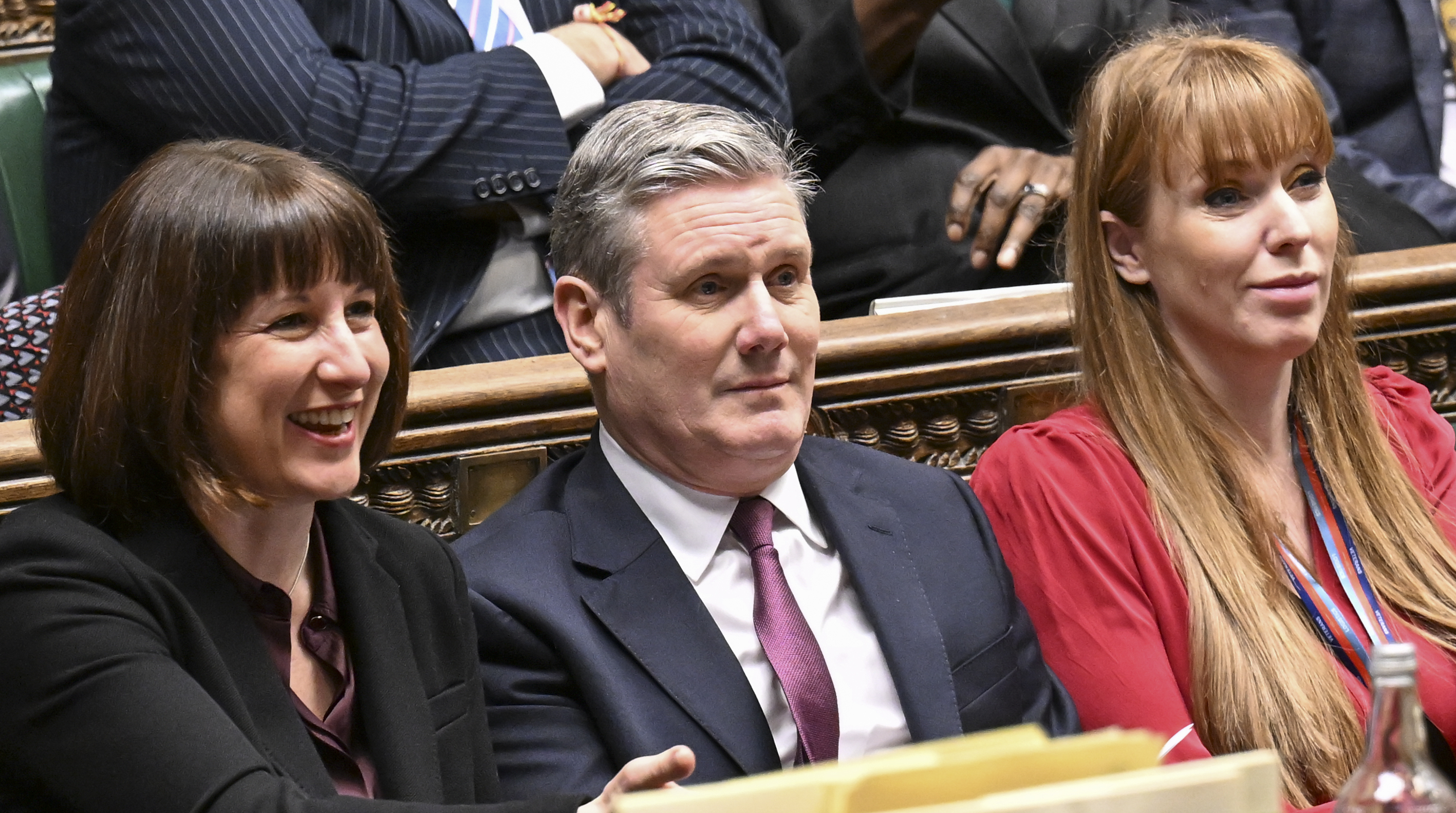
Prime Minister Keir Starmer (Labour) is facing mounting pressure to resign as dozens of his own party members call for his departure.
This internal instability threatens the leadership of the Labour Party at a critical juncture, coinciding with strategic electoral challenges in Scotland and the aftermath of local election setbacks.
Reports indicate a growing revolt within the party. While some sources said over 60 Labour MPs have urged the Prime Minister to quit [1], other reports suggest the number of MPs demanding his resignation has risen to over 70 [2]. The unrest follows a series of local election losses that occurred in early 2024 [1].
Starmer has acknowledged the tension surrounding his leadership. "I know people are frustrated with me," Starmer said [3].
The pressure extends beyond the halls of Westminster to the Scottish Parliament. The Scottish National Party (SNP) has framed the Scottish Parliament election, held on May 7, 2024, as a pivotal moment for the premiership [4].
Stephen Flynn, the SNP Westminster leader, said the election was "Scotland’s opportunity to vote ‘no confidence’ in Keir Starmer" [4]. The SNP aims to use the electoral outcome to challenge the legitimacy of Starmer's leadership through a formal no-confidence motion [4].
This dual-front challenge — internal dissent from Labour MPs and external pressure from the SNP — creates a precarious environment for the Prime Minister. The dissent within Labour is driven by fears that Starmer's current leadership trajectory may hinder the party's broader electoral prospects [1].
“"I know people are frustrated with me"”
The convergence of internal party dissent and a strategic challenge from the SNP suggests a crisis of confidence in Starmer's ability to maintain a winning coalition. If a significant portion of the Labour caucus remains alienated, the Prime Minister may struggle to pass legislation or maintain party discipline, regardless of the outcome of the Scottish no-confidence efforts.


