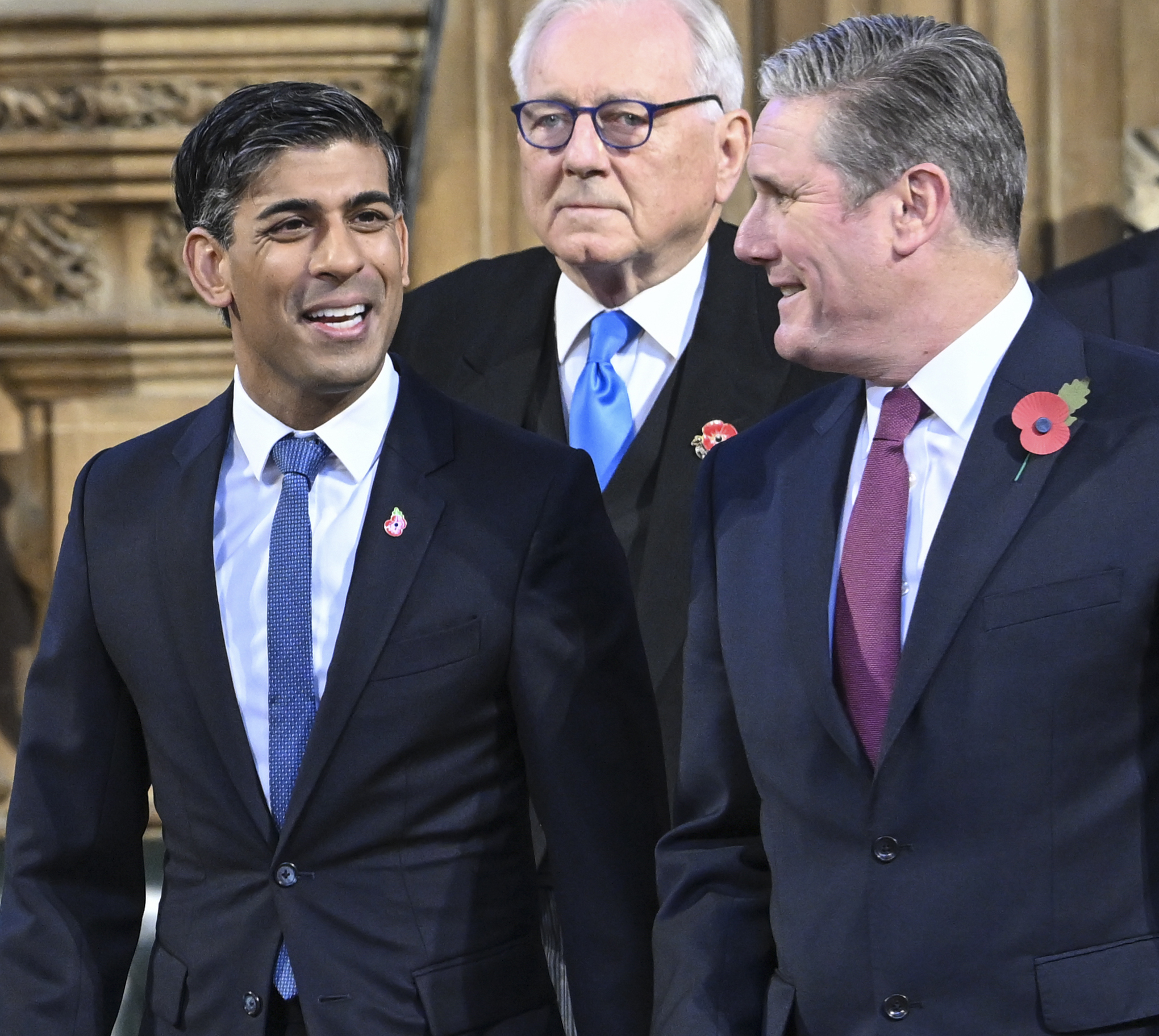
Prime Minister Keir Starmer faces mounting leadership pressure that overshadowed King Charles III's speech to Parliament on Wednesday [1].
The instability threatens the stability of the UK government as internal party dissent grows. This political turmoil coincides with a period of high visibility for the monarchy, shifting the public focus from the King's legislative agenda to the survival of the current administration.
Speculation regarding a leadership challenge intensified as reports surfaced that Health Secretary Wes Streeting may resign to trigger a contest [2]. Allies of Streeting said they have discussed this move as a response to the Prime Minister's current standing within the party [2].
The pressure follows the May 7 local elections, where the Labour Party faced expected heavy losses [3]. These electoral setbacks have emboldened critics within the party who question Starmer's ability to maintain a winning coalition.
To manage the crisis, Starmer held talks at Chequers to address the growing unrest among his MPs [4]. The meetings were aimed at stabilizing his position as analysts said the Prime Minister is unlikely to last the year [5]. Some analysts have revised the timeline for a potential leadership challenge to occur by September 2026 [5].
Despite the internal strife, the official proceedings of the King's Speech continued on May 13 [1]. However, the political drama surrounding the Prime Minister's tenure has largely eclipsed the contents of the address in parliamentary and media circles [2].
“Leadership pressure overshadowed King Charles III's speech to Parliament.”
The convergence of poor local election results and high-level cabinet instability suggests a significant decline in Keir Starmer's authority. If a senior figure like Wes Streeting resigns, it could formalize a leadership transition, potentially shifting the Labour Party's policy direction ahead of the next general election cycle.


