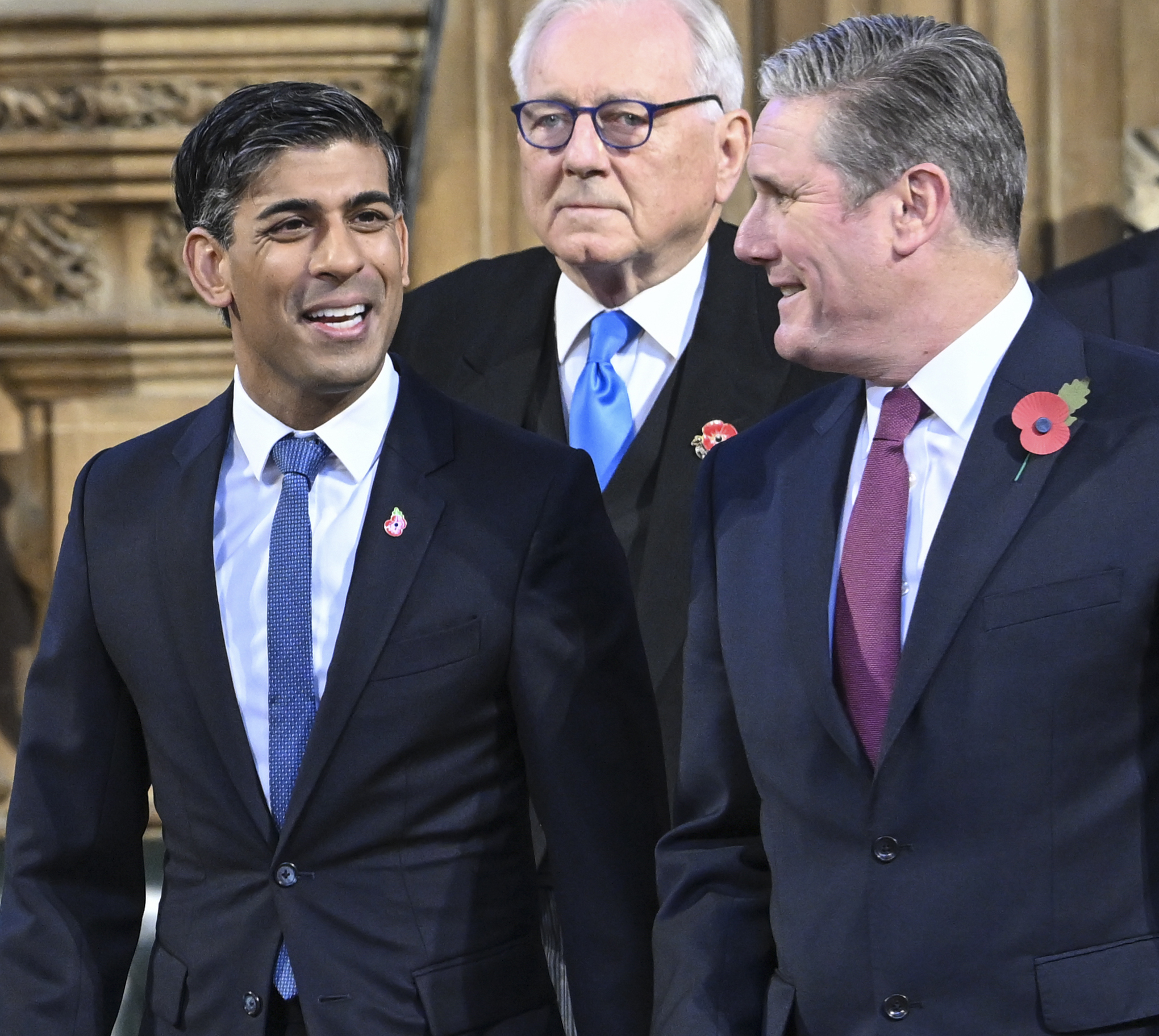
British Prime Minister Keir Starmer said he will not resign despite significant losses for the Labour Party in local elections.
The refusal to step down comes as the administration faces a dual crisis of electoral defeat and internal instability. Starmer's decision to remain in power is a gamble on his ability to maintain party discipline while facing pressure from political opponents and disillusioned voters.
Speaking in the House of Commons on Friday, Starmer addressed the results of the elections held the previous Thursday. He said that the electoral setbacks would not deter him from his legislative agenda. "Days like this don’t weaken my resolve to deliver the change that I promised," Starmer said.
Starmer has been in office for 22 months [1]. His tenure is currently being tested by a combination of poor polling and a controversy involving the appointment of a U.S. envoy. The appointment, linked to Peter Mandelson, has led to the resignation of a senior British official. While some reports link his refusal to resign specifically to this scandal, others point to the local election results as the primary driver of the current political tension.
Opponents have been quick to characterize the election results as a sign of a broader political realignment. Nigel Farage said the outcome was "a truly historic shift in British politics," suggesting that the Labour Party's grip on local governance is slipping.
Despite these challenges, Starmer said he intends to take responsibility for the defeats without vacating his position. He has dismissed allegations surrounding the U.S. envoy appointment as settled matters and intends to focus on his promised reforms.
Supporters of the Prime Minister argue that a leadership change during a period of instability would only further weaken the government. However, critics suggest that the heavy losses in the local polls indicate a lack of confidence in his leadership style, and policy direction.
“"Days like this don’t weaken my resolve to deliver the change that I promised."”
Starmer's refusal to resign indicates a strategy of endurance over concession. By anchoring his legitimacy to his long-term promises rather than short-term electoral swings, he is attempting to weather both a diplomatic scandal and a dip in popularity. However, the combination of local losses and high-level resignations may embolden internal party challengers or opposition leaders to question his viability heading into future national contests.


'%2F%3E%0A%20%20%20%20%3Crect%20width%3D'1600'%20height%3D'900'%20fill%3D'url(%23v)'%2F%3E%0A%20%20%20%20%3Cg%20opacity%3D'0.08'%20fill%3D'%23ffffff'%3E%0A%20%20%20%20%20%20%3Ccircle%20cx%3D'1420'%20cy%3D'180'%20r%3D'220'%2F%3E%0A%20%20%20%20%20%20%3Ccircle%20cx%3D'1500'%20cy%3D'760'%20r%3D'120'%2F%3E%0A%20%20%20%20%3C%2Fg%3E%0A%20%20%20%20%3Cline%20x1%3D'80'%20y1%3D'172'%20x2%3D'220'%20y2%3D'172'%20stroke%3D'%23ffffff'%20stroke-width%3D'3'%20stroke-opacity%3D'0.6'%2F%3E%0A%20%20%20%20%3Ctext%20x%3D'80'%20y%3D'140'%20font-family%3D'Inter%2C%20-apple-system%2C%20Helvetica%2C%20sans-serif'%20font-weight%3D'700'%20font-size%3D'28'%20fill%3D'%23ffffff'%20letter-spacing%3D'6'%3EHANNA%20%C2%B7%20NEWS%3C%2Ftext%3E%0A%20%20%20%20%3Ctext%20x%3D'80'%20y%3D'230'%20font-family%3D'Inter%2C%20-apple-system%2C%20Helvetica%2C%20sans-serif'%20font-weight%3D'600'%20font-size%3D'40'%20fill%3D'%23ffffffb3'%20letter-spacing%3D'4'%3EWORLD%3C%2Ftext%3E%0A%20%20%20%20%3Ctext%20x%3D'80'%20y%3D'622'%20font-family%3D'Playfair%20Display%2C%20Georgia%2C%20serif'%20font-weight%3D'800'%20font-size%3D'86'%20fill%3D'%23ffffff'%20letter-spacing%3D'-1'%3EAnti-Immigrant%20Protests%3C%2Ftext%3E%3Ctext%20x%3D'80'%20y%3D'721'%20font-family%3D'Playfair%20Display%2C%20Georgia%2C%20serif'%20font-weight%3D'800'%20font-size%3D'86'%20fill%3D'%23ffffff'%20letter-spacing%3D'-1'%3EParalyze%20Several%20South%3C%2Ftext%3E%3Ctext%20x%3D'80'%20y%3D'820'%20font-family%3D'Playfair%20Display%2C%20Georgia%2C%20serif'%20font-weight%3D'800'%20font-size%3D'86'%20fill%3D'%23ffffff'%20letter-spacing%3D'-1'%3EAfrican%20Cities%3C%2Ftext%3E%0A%20%20%20%20%3Ctext%20x%3D'80'%20y%3D'870'%20font-family%3D'Inter%2C%20-apple-system%2C%20Helvetica%2C%20sans-serif'%20font-weight%3D'500'%20font-size%3D'22'%20fill%3D'%23ffffff66'%20letter-spacing%3D'2'%3Enews.hanna-ai.com%3C%2Ftext%3E%0A%20%20%3C%2Fsvg%3E)