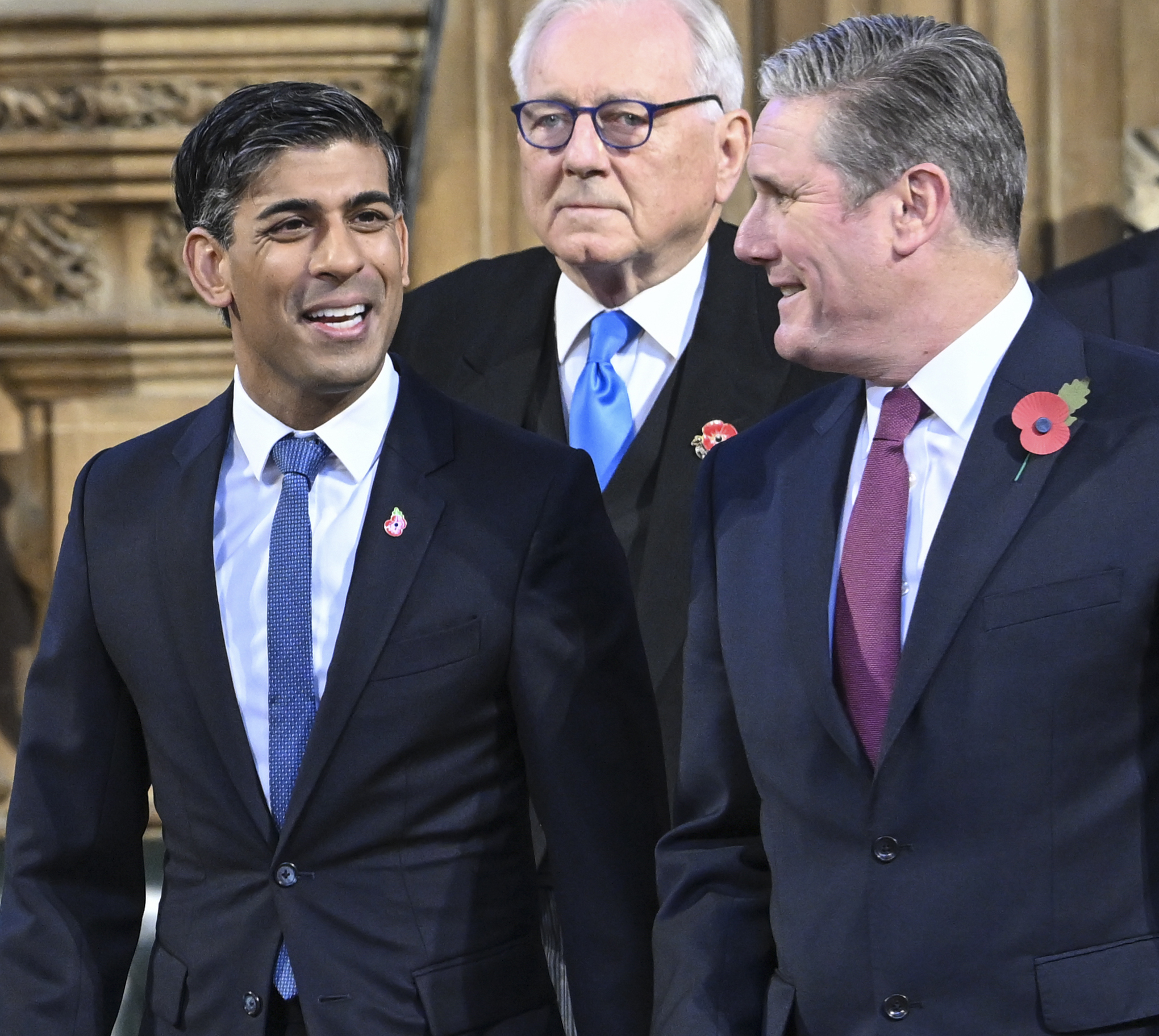
Prime Minister Keir Starmer is facing mounting calls to resign following local elections that resulted in significant losses for the Labour Party [1, 2, 3].
The outcome of these elections signals a shift in the political landscape, as the hard-right Reform UK party saw major gains while the governing party struggled [1, 4, 5]. This volatility suggests a growing dissatisfaction among voters and puts pressure on Starmer's leadership stability ahead of future national contests.
The local elections took place on May 2, 2024, across England, Scotland, and Wales [2, 3]. By Friday, May 3, 2024, the fallout from the results had intensified, leading to public and internal demands for the prime minister to step down [2, 1].
Critics argue that the poor performance of the Labour Party reflects a failure in current leadership strategy. The surge of Reform UK has further complicated the political environment, drawing attention to the vulnerabilities of the governing party's platform [1, 5].
Despite the pressure and the calls for his resignation, Starmer has refused to vacate his position. He has indicated that the election results will not dictate his tenure as leader.
"I will get on with governing," Starmer said [3].
The prime minister continues to lead his cabinet despite the bruising electoral results. The situation remains tense as his party attempts to reconcile its local losses with its national governing objectives [3].
“"I will get on with governing."”
The surge of Reform UK and the corresponding losses for the Labour Party indicate a fragmentation of the traditional UK political base. By refusing to resign, Starmer is attempting to project stability, but the electoral data suggests a disconnect between the current government's direction and a growing segment of the electorate.