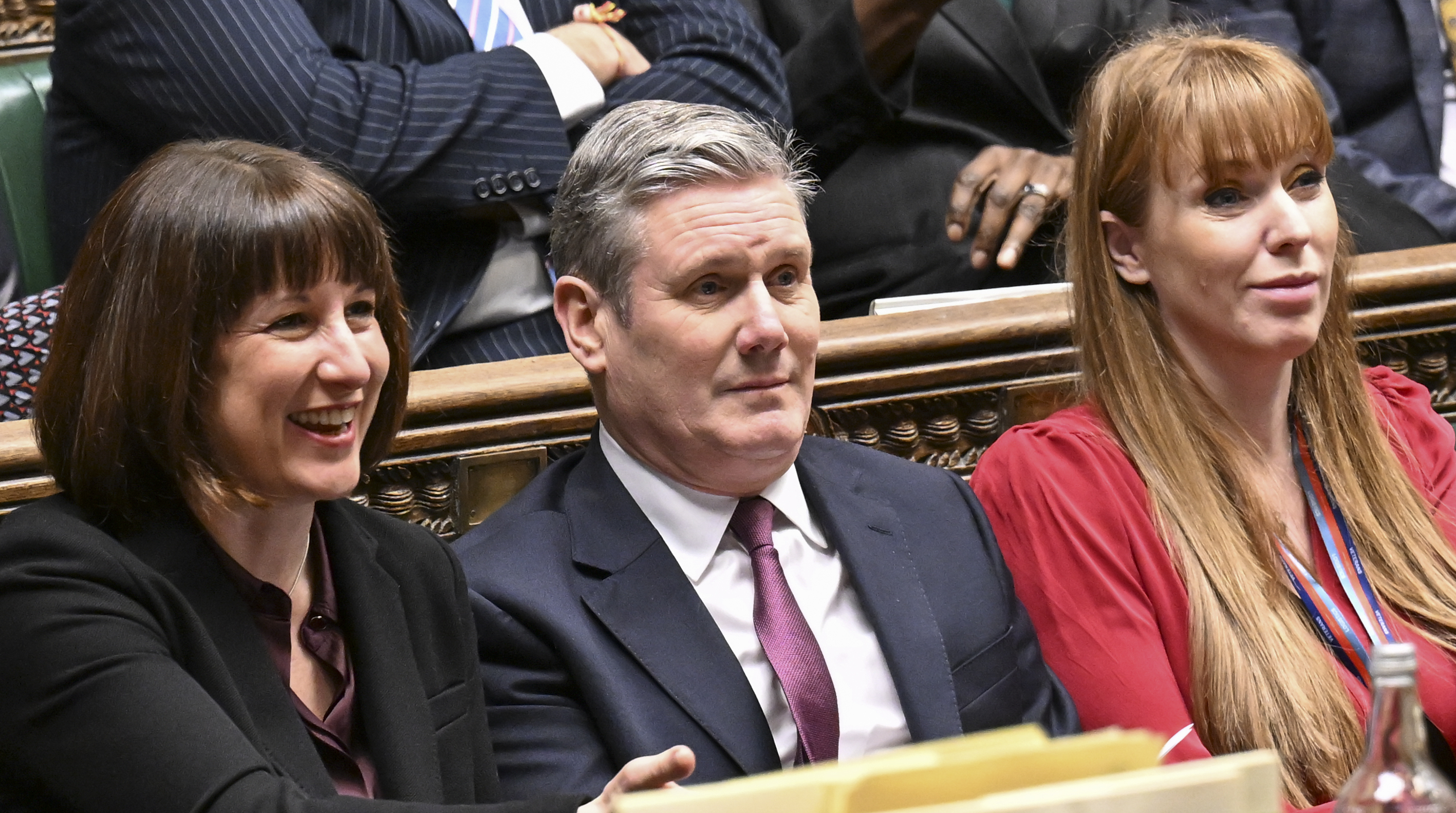
British Prime Minister Keir Starmer is facing pressure to resign following local election results for the Labour Party.
The political turmoil threatens the stability of the government and reflects a growing divide within the party's leadership and its rank-and-file members.
Four ministers have resigned from the government of Starmer [1]. These departures follow a series of electoral losses that have triggered a political storm in Britain, leading to public and internal demands for the Prime Minister to step down [1].
Despite the resignations and external pressure, some members of the party continue to offer their support. More than 100 Labour MPs have signed a statement backing Starmer [2]. This internal divide highlights a struggle between those viewing the election results as a mandate for leadership change, and those who believe the current administration remains the best path forward.
Starmer has served as Prime Minister for 22 months [2]. The recent local election performance has intensified scrutiny of his leadership style and the party's current strategic direction.
The unrest comes as the party attempts to maintain a unified front against political opponents. However, the loss of four key ministerial roles creates immediate vacancies in the cabinet and may signal further instability if more officials choose to leave.
“Four ministers have resigned from the government of Starmer”
The simultaneous occurrence of ministerial resignations and a large-scale show of support from MPs suggests a fractured Labour Party. While the 100-plus MP endorsement provides a temporary shield against a formal leadership challenge, the loss of cabinet members indicates a breakdown in trust at the highest levels of government. This volatility may hinder the administration's ability to pass legislation or maintain public confidence as it navigates the aftermath of the local elections.