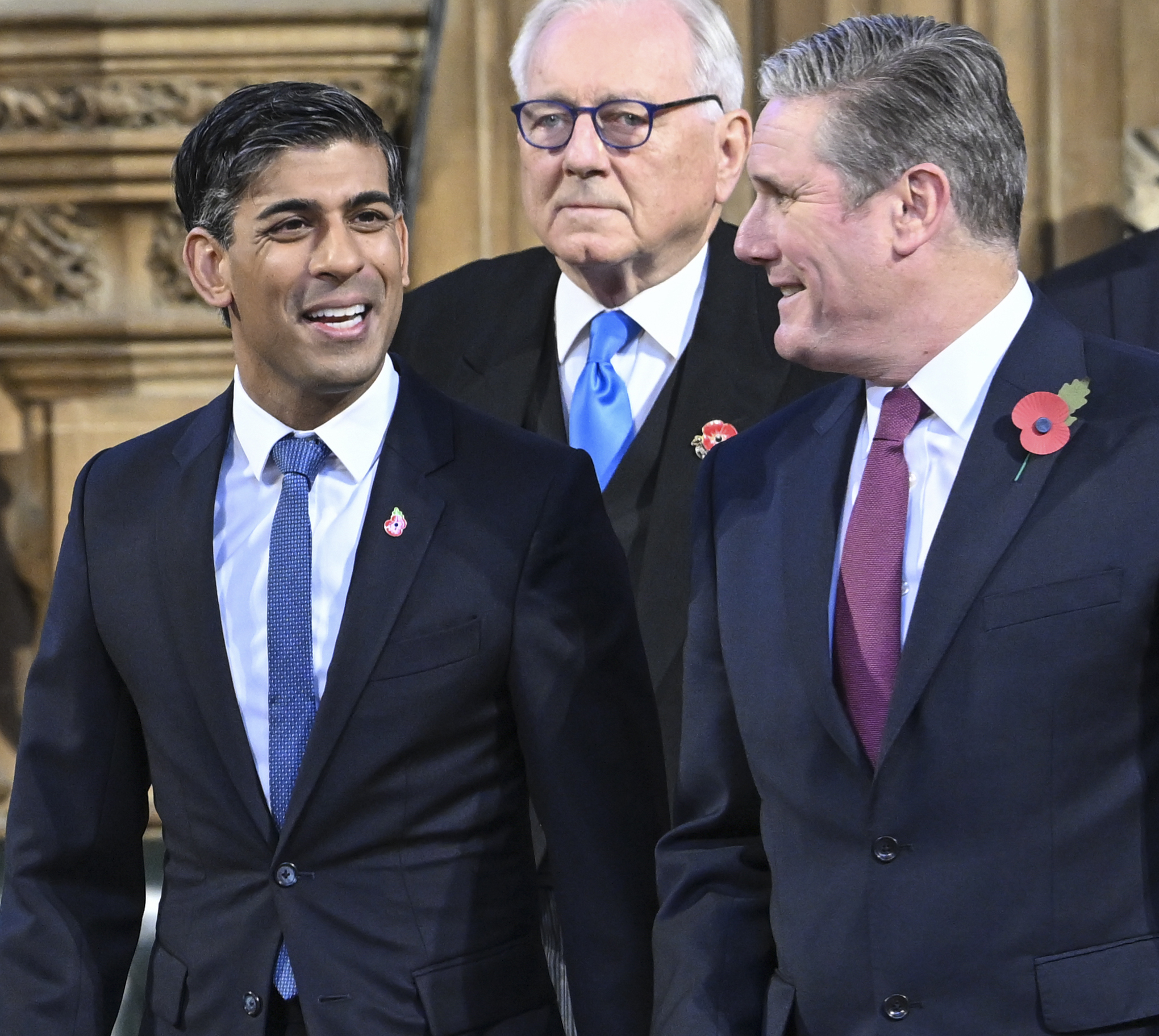
Prime Minister Keir Starmer is facing growing calls for his resignation as the United Kingdom prepares for a general election next month [1].
The pressure on the Labour leader comes at a critical juncture for the party. Critics said that Starmer's leadership may be damaging Labour's prospects at the polls, creating uncertainty about whether he can survive the upcoming election results [1, 2, 3].
Internal friction has surfaced within the party, with Labour MP Jonathan Brash and former official Sir Olly Robbins among those linked to the current atmosphere of scrutiny [1, 2, 3]. The unrest is centered in key political hubs, including Downing Street, Whitehall, and the Hartlepool constituency [1, 2, 3].
Much of the criticism stems from unresolved scandals that have resurfaced in the public eye. Specifically, Starmer is entangled in controversies involving Peter Mandelson and the Epstein case [2, 3]. These issues have provided political ammunition to opponents who said the Prime Minister is a liability to the party's image, a sentiment that is gaining traction as the campaign intensifies.
Supporters of the Prime Minister have not yet countered these specific claims with a formal strategy, but the focus remains on whether the Labour base will remain loyal. The intersection of personal scandal and electoral strategy has created a volatile environment for the leadership [1, 2].
As the election date approaches, the focus remains on whether Starmer can stabilize his position or if the pressure from within his own party will force a change in leadership before the voters head to the polls [1].
“Starmer is facing growing calls for his resignation”
The convergence of internal party dissent and external scandals creates a precarious situation for Keir Starmer. If Labour perceives a significant dip in polling due to these controversies, the party may prioritize electoral viability over leadership loyalty, potentially leading to a leadership challenge before or immediately after the general election.


