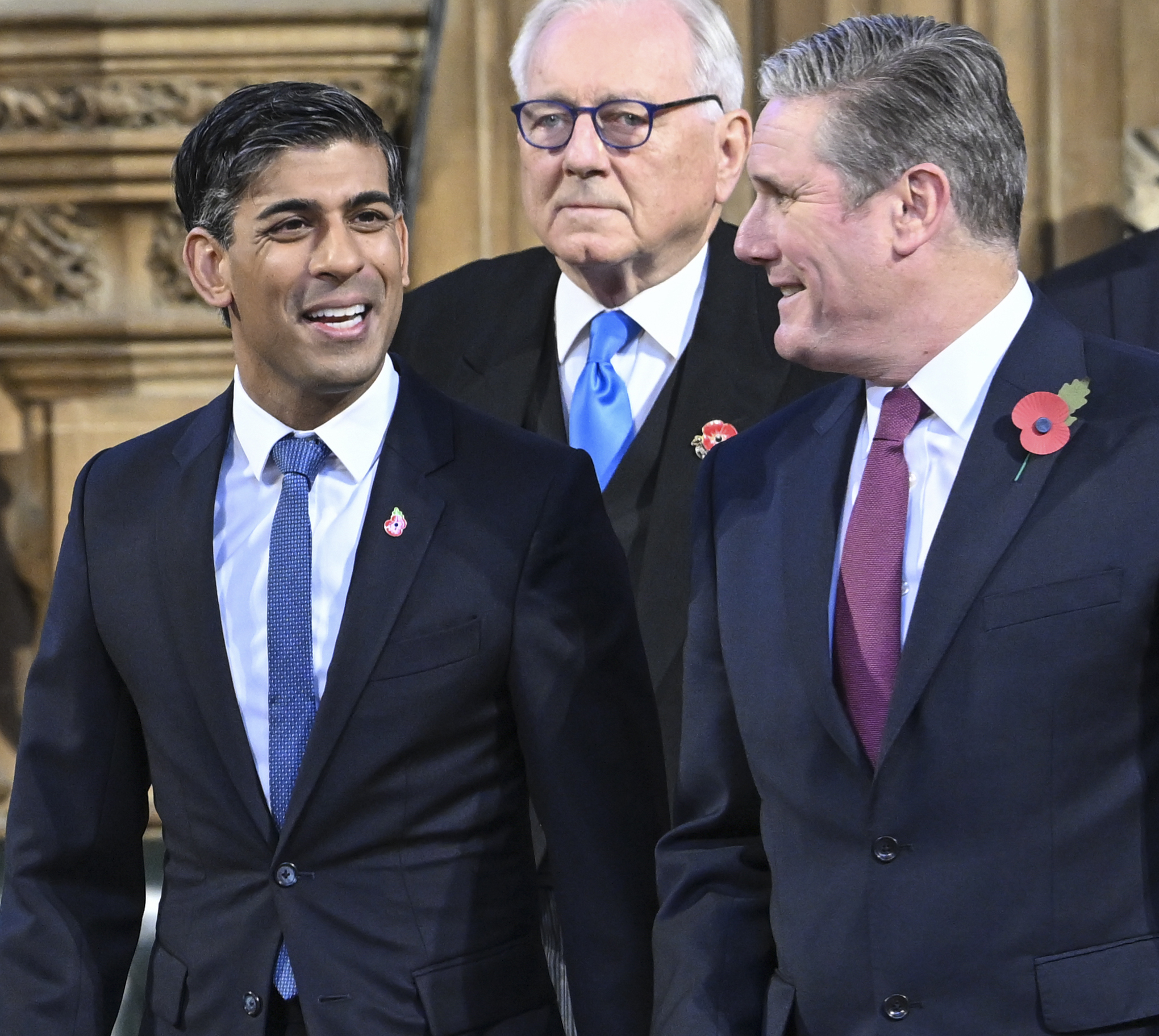
UK Prime Minister Keir Starmer announced his resignation on Monday, June 22, 2026 [1].
The departure of the Labour Party leader comes at a time of profound diplomatic freeze between London and Moscow, suggesting that a change in British leadership may not provide a path toward rapprochement.
Speaking on behalf of President Vladimir Putin, Kremlin spokesman Dmitry Peskov said that the resignation would not alter the current state of affairs. Peskov said that relations between the two nations are at "zero level" [2]. He said that Starmer "did nothing to distinguish himself in dealings with Moscow" [2].
Starmer confirmed his exit in a public announcement, saying, "I have decided to step down as Prime Minister and leader of the Labour Party" [3]. The announcement marks a significant shift in the UK's domestic political landscape, though Moscow indicates it does not expect a corresponding shift in foreign policy.
According to Peskov, the Kremlin does not believe future British leaders are likely to change Moscow’s stance on the current diplomatic deadlock [2]. The Russian government's reaction suggests that the friction between the two powers is rooted in systemic policy differences, rather than the personal rapport of the prime minister.
Starmer's resignation on June 22, 2026 [1], leaves the United Kingdom seeking a new leader to navigate these strained international waters. For now, the Kremlin remains firm that the transition of power in London will not result in a thaw of relations.
“Relations are at zero level.”
The Kremlin's immediate dismissal of Starmer's impact suggests that Russia views the UK's foreign policy as a rigid institutional stance rather than one tied to individual leadership. By labeling relations as being at a 'zero level,' Moscow signals that any incoming UK Prime Minister will likely face the same diplomatic hostilities regardless of their party affiliation or personal diplomatic approach.