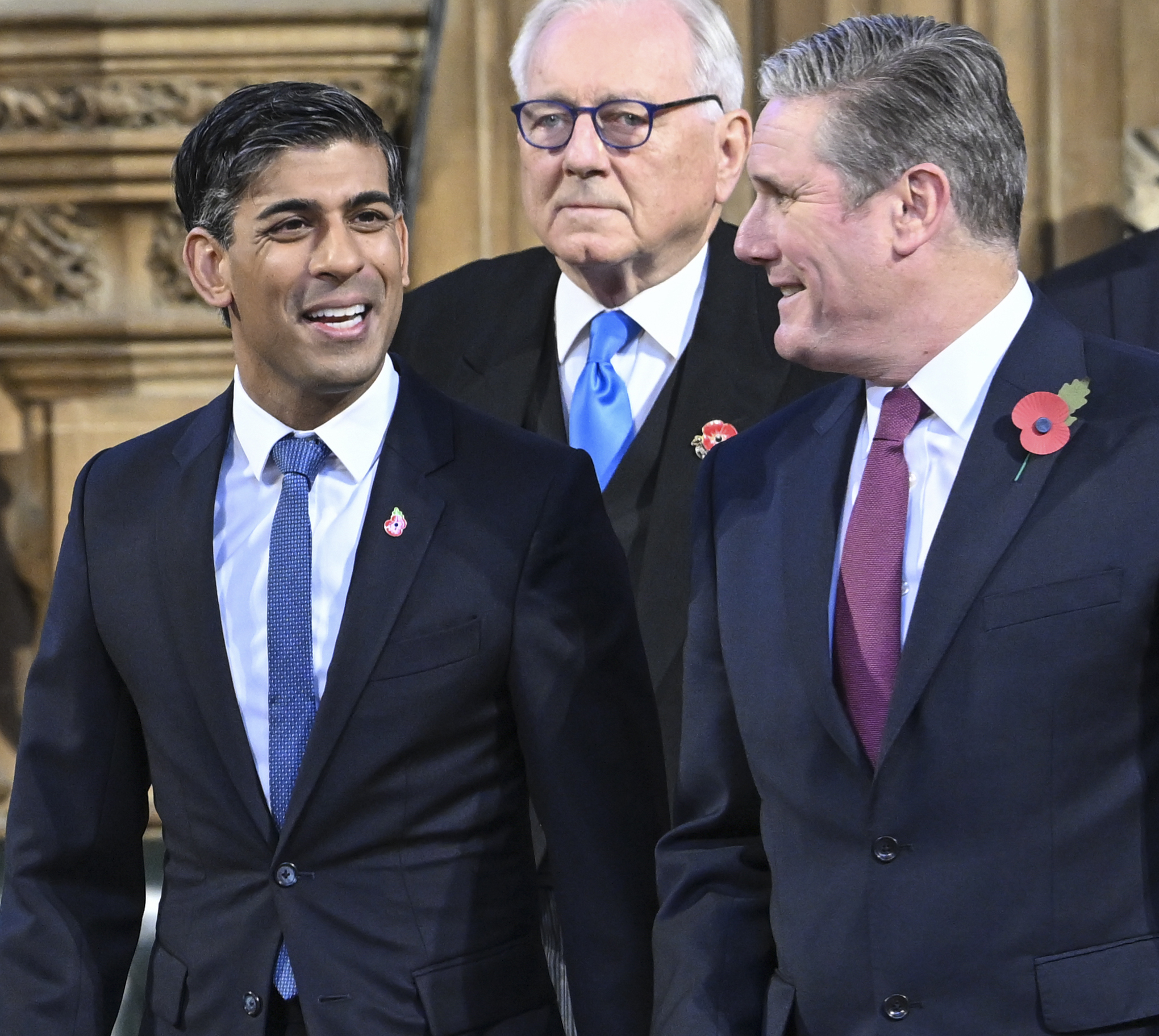
The relationship between UK Prime Minister Sir Keir Starmer and U.S. President Donald Trump has become rocky following disputes over key policy areas [1, 2].
This diplomatic friction is significant because the "special relationship" between the two nations often dictates global security and economic stability. A breakdown in communication between the leaders could complicate transatlantic cooperation on trade and defense.
The tension has developed since Donald Trump returned to the White House in 2025 [2]. While the initial interactions between the two leaders were described as positive, that rapport has since shifted toward open disagreement [1, 2].
Central to the conflict are disputes over British immigration policies [1, 4]. President Trump has condemned the UK's stance on immigration, marking a departure from the early attempts at alignment between the two administrations [2, 4].
Beyond border control, the leaders have clashed over energy issues and the approach to Iran [1, 4]. These disagreements suggest a fundamental divergence in how the two allies view regional stability and resource management, areas where the UK and U.S. typically seek common ground [2, 4].
The friction persists as both leaders navigate internal political pressures. The shift from an amicable start to a strained partnership highlights the volatility of the current diplomatic landscape [1, 2].
“The relationship between UK Prime Minister Sir Keir Starmer and U.S. President Donald Trump has become rocky.”
The deterioration of the Starmer-Trump relationship indicates a shift toward a more transactional and confrontational era of UK-US diplomacy. When the two leaders disagree on foundational issues like immigration and Iran, it limits the ability of both nations to present a united front on the global stage, potentially weakening their collective influence in international negotiations.