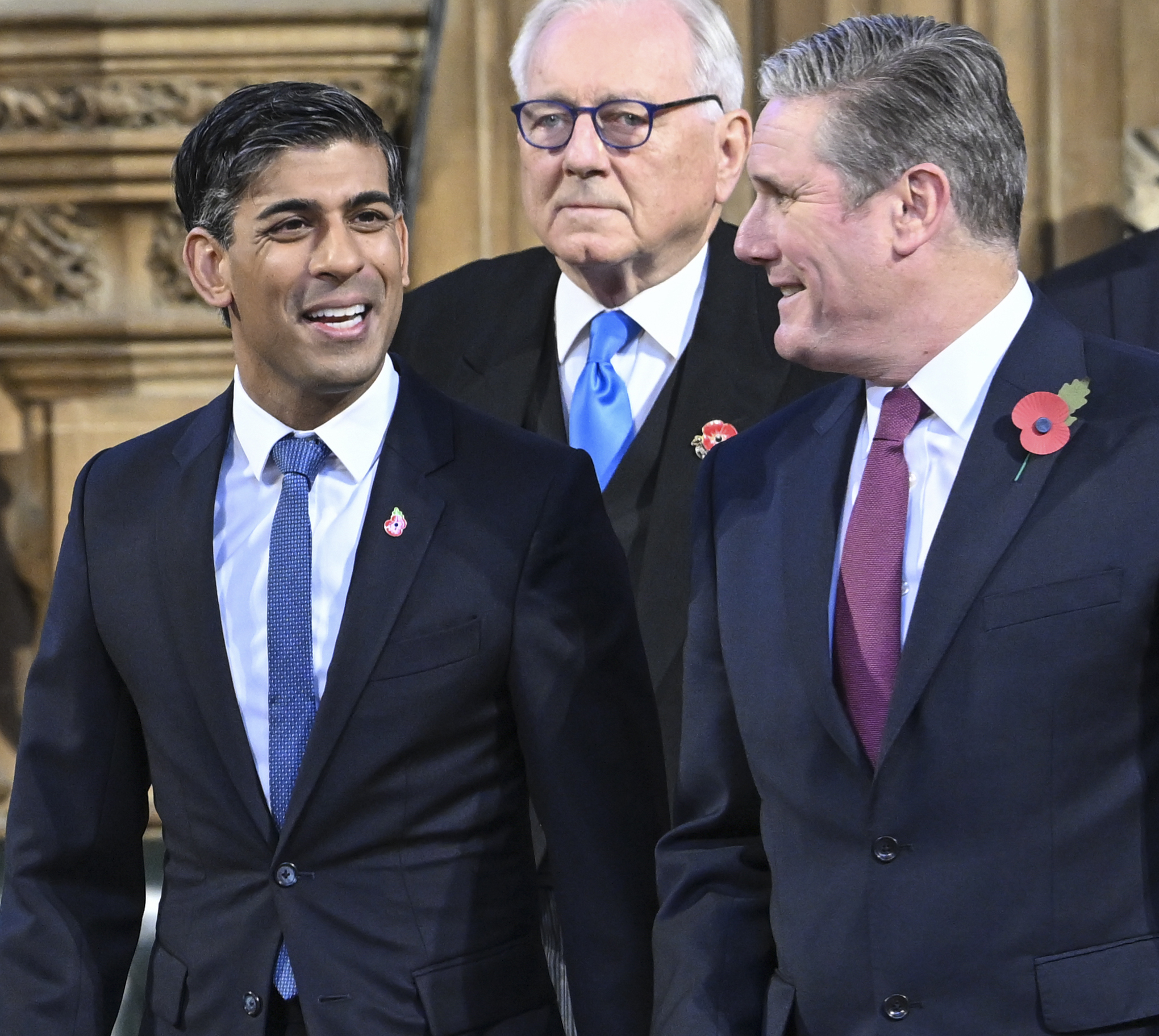
Prime Minister Keir Starmer announced an £18 billion increase in United Kingdom defence spending over the next four years [1].
The move comes as Starmer faces significant internal pressure from members of the Labour Party who have questioned his leadership. The funding boost is seen as an effort to stabilize his position while addressing critical gaps in national security.
Defence officials said that the armed forces currently lack the necessary funding to handle a future large-scale conflict [2]. This shortfall has created a tension between the government's fiscal goals and the operational requirements of the military. The new investment aims to mitigate these risks by modernizing equipment and increasing readiness.
However, the announcement has not silenced critics within his own party. Some Labour members view the spending hike as a departure from party priorities, a shift that has intensified calls for a change in leadership.
Starmer's premiership has faced several challenges recently, including the resignation of a key aide. This instability has left the Prime Minister navigating a narrow path between satisfying military commanders and maintaining the loyalty of his political base [3].
The £18 billion commitment [1] is intended to signal a firm stance on global security. By prioritizing the military, Starmer is attempting to project strength both domestically and internationally to stave off further political revolt.
“£18 billion increase in UK defence spending over four years”
This spending surge represents a strategic gamble by Keir Starmer to pivot toward a 'security-first' platform. By addressing the warnings of defence officials, he aims to neutralize criticism from the right and military establishment, though he risks further alienating the left wing of the Labour Party who may view the expenditure as a diversion from social spending.


'%2F%3E%0A%20%20%20%20%3Crect%20width%3D'1600'%20height%3D'900'%20fill%3D'url(%23v)'%2F%3E%0A%20%20%20%20%3Cg%20opacity%3D'0.08'%20fill%3D'%23ffffff'%3E%0A%20%20%20%20%20%20%3Ccircle%20cx%3D'1420'%20cy%3D'180'%20r%3D'220'%2F%3E%0A%20%20%20%20%20%20%3Ccircle%20cx%3D'1500'%20cy%3D'760'%20r%3D'120'%2F%3E%0A%20%20%20%20%3C%2Fg%3E%0A%20%20%20%20%3Cline%20x1%3D'80'%20y1%3D'172'%20x2%3D'220'%20y2%3D'172'%20stroke%3D'%23ffffff'%20stroke-width%3D'3'%20stroke-opacity%3D'0.6'%2F%3E%0A%20%20%20%20%3Ctext%20x%3D'80'%20y%3D'140'%20font-family%3D'Inter%2C%20-apple-system%2C%20Helvetica%2C%20sans-serif'%20font-weight%3D'700'%20font-size%3D'28'%20fill%3D'%23ffffff'%20letter-spacing%3D'6'%3EHANNA%20%C2%B7%20NEWS%3C%2Ftext%3E%0A%20%20%20%20%3Ctext%20x%3D'80'%20y%3D'230'%20font-family%3D'Inter%2C%20-apple-system%2C%20Helvetica%2C%20sans-serif'%20font-weight%3D'600'%20font-size%3D'40'%20fill%3D'%23ffffffb3'%20letter-spacing%3D'4'%3EWORLD%3C%2Ftext%3E%0A%20%20%20%20%3Ctext%20x%3D'80'%20y%3D'622'%20font-family%3D'Playfair%20Display%2C%20Georgia%2C%20serif'%20font-weight%3D'800'%20font-size%3D'86'%20fill%3D'%23ffffff'%20letter-spacing%3D'-1'%3EIndore%20Hospital%20Appoints%2087%3C%2Ftext%3E%3Ctext%20x%3D'80'%20y%3D'721'%20font-family%3D'Playfair%20Display%2C%20Georgia%2C%20serif'%20font-weight%3D'800'%20font-size%3D'86'%20fill%3D'%23ffffff'%20letter-spacing%3D'-1'%3EStaff%20Despite%20Lacking%20Land%3C%2Ftext%3E%3Ctext%20x%3D'80'%20y%3D'820'%20font-family%3D'Playfair%20Display%2C%20Georgia%2C%20serif'%20font-weight%3D'800'%20font-size%3D'86'%20fill%3D'%23ffffff'%20letter-spacing%3D'-1'%3Eand%20Building%3C%2Ftext%3E%0A%20%20%20%20%3Ctext%20x%3D'80'%20y%3D'870'%20font-family%3D'Inter%2C%20-apple-system%2C%20Helvetica%2C%20sans-serif'%20font-weight%3D'500'%20font-size%3D'22'%20fill%3D'%23ffffff66'%20letter-spacing%3D'2'%3Enews.hanna-ai.com%3C%2Ftext%3E%0A%20%20%3C%2Fsvg%3E)