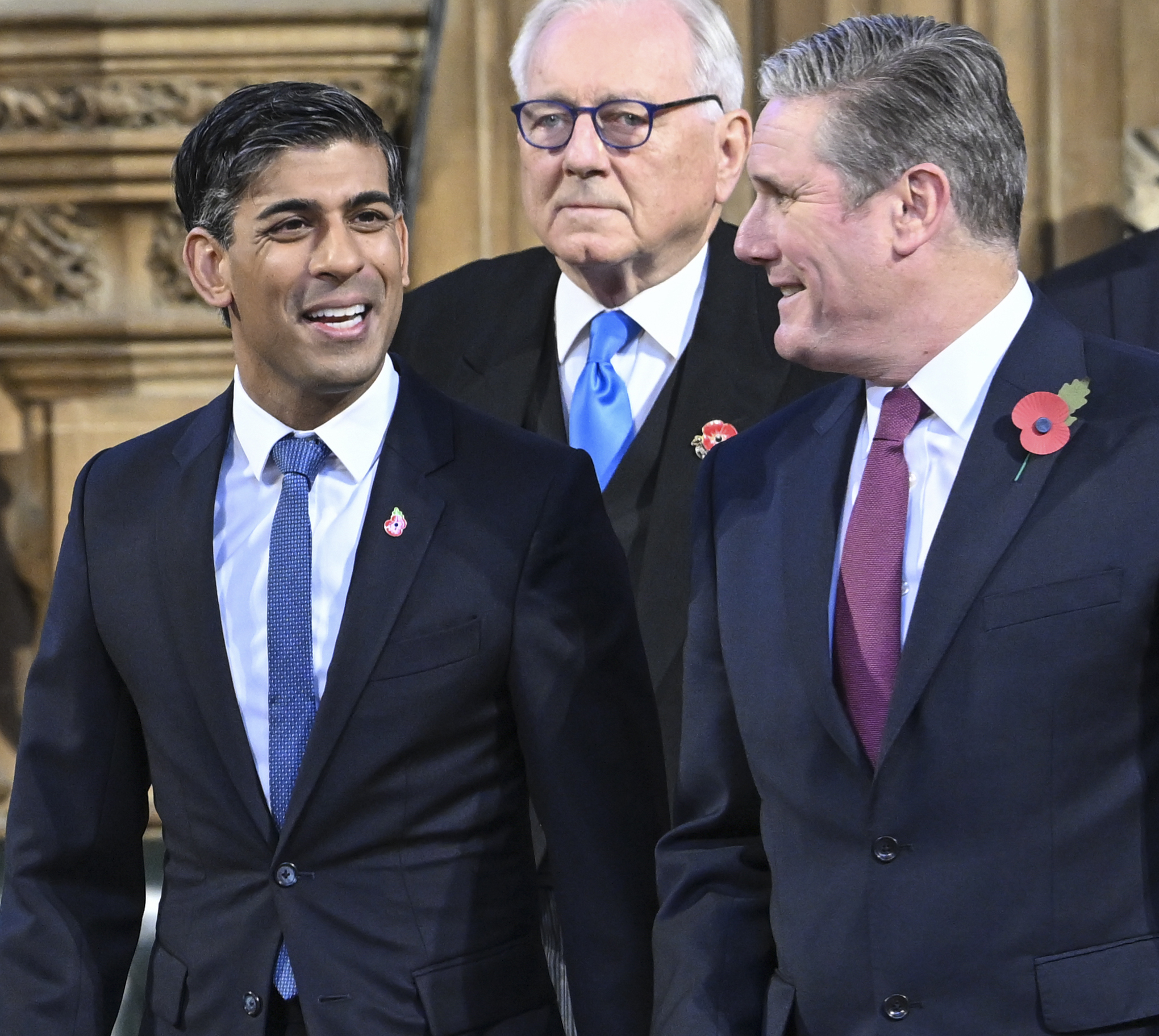
Prime Minister Keir Starmer said on May 8, 2026, that he will remain in office despite Labour's historic defeat in local elections [4].
The results signal a significant shift in regional political alignment, potentially undermining the government's legislative mandate and emboldening political opponents across the United Kingdom.
Speaking from London, Starmer said the fallout from the elections held on May 7, 2026 [4]. The Labour Party suffered a crushing blow, losing more than 1,200 council seats [5] and relinquishing control of 33 English authorities [2]. In Wales, the party's presence was further diminished, as it was reduced to nine seats [3].
Starmer rejected calls for his resignation, saying that he would not leave the country in a state of instability. "I have no plans to quit. I will stay on and deliver change," Starmer said [1]. He further emphasized his commitment to stability, saying, "I'm not going to walk away and plunge the country into chaos" [2].
The scale of the defeat is being described as a historic drubbing for the party. The loss of hundreds of council seats suggests a disconnect between the current administration's agenda and the priorities of regional voters. Despite the losses, Starmer expressed a commitment to recovery, and reform.
"We will rebuild and give people the change they deserve," Starmer said [3].
The Prime Minister's decision to stay puts him on a collision course with critics who argue that the election results constitute a vote of no confidence in his leadership. By refusing to step down, Starmer is betting that he can pivot the party's strategy and regain public trust before the next general election cycle.
“"I have no plans to quit. I will stay on and deliver change."”
This refusal to resign despite a historic electoral collapse indicates that Starmer intends to maintain a grip on the party's machinery to avoid a leadership vacuum. However, the loss of over 1,000 seats and significant territorial control in England and Wales suggests a severe erosion of the Labour base, which may limit the government's ability to implement its domestic agenda without facing intense regional resistance.


