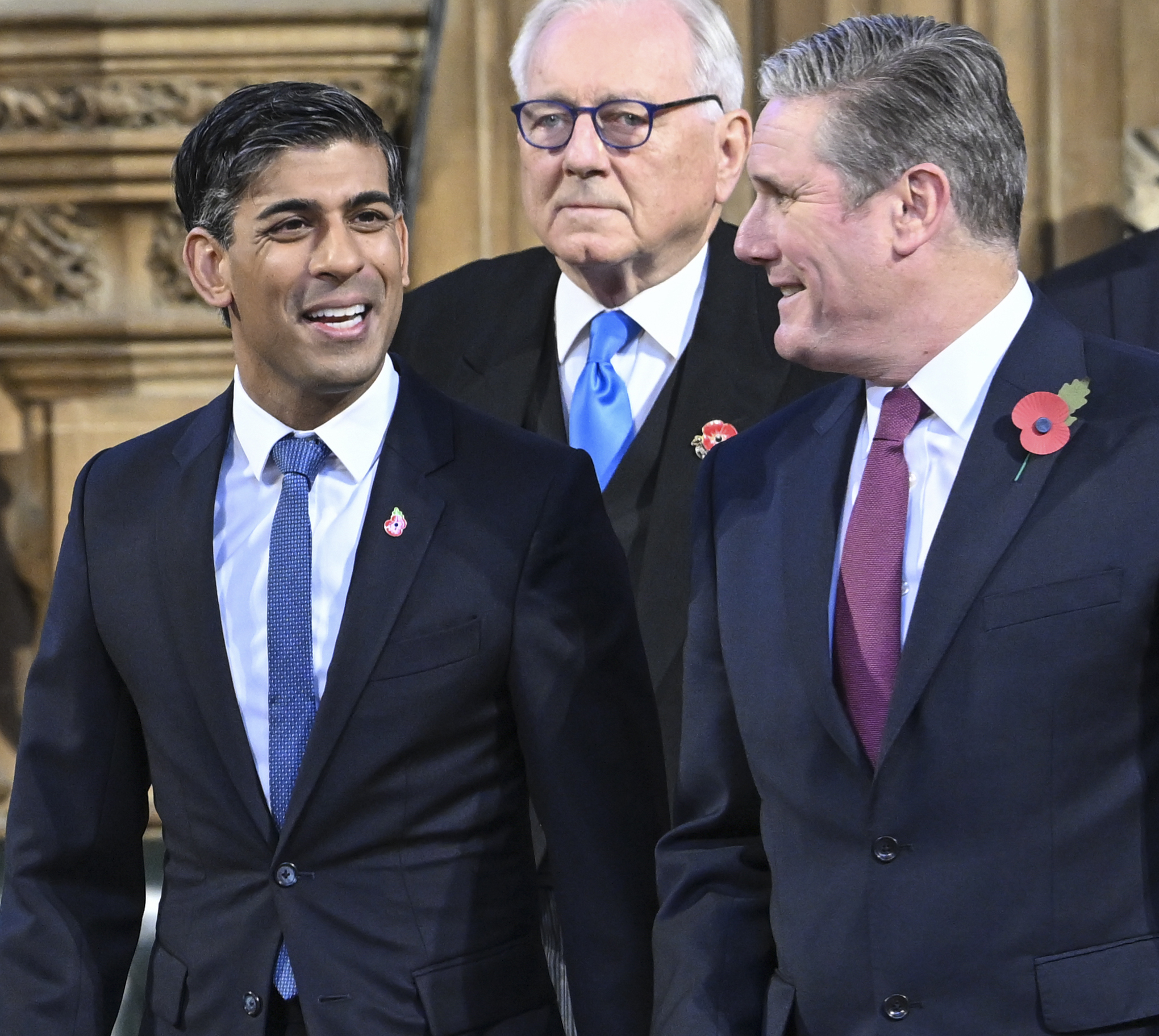
Prime Minister Keir Starmer said Friday he will remain in office despite heavy losses for the Labour Party in England's local elections [1].
The decision to stay on as leader comes amid a significant electoral setback that could challenge the government's mandate and influence its legislative priorities. While local results do not trigger a general election, they often serve as a barometer for national sentiment toward the sitting administration.
Results released on May 8, 2026, showed that hundreds of Labour councillors lost their seats [2]. The scale of the losses has prompted questions regarding the party's current direction, and its ability to maintain support across various English regions [3].
Starmer addressed the results, acknowledging the difficulty of the outcome while rejecting calls to step down. "These are tough results, but I will stay on as Prime Minister," Starmer said [4]. He emphasized that the electoral losses would not derail the government's broader goals for the country.
"I will not walk away," Starmer said [5].
The Prime Minister said that he intends to maintain the government's existing agenda despite the shift in local representation. He indicated that the administration remains focused on its core objectives and will continue to operate without a change in leadership [6].
"I will continue to lead the country and pursue our agenda," Starmer said [7].
Market reactions following the statement were mixed, though some reports indicated that gilt yields fell and sterling rose as the Prime Minister's commitment to stability provided a clear direction for the government's immediate future [8].
“"I will not walk away."”
Starmer's refusal to resign suggests a strategy of resilience over reaction, signaling to both his party and the public that he views the local losses as a regional or temporary setback rather than a total rejection of his national leadership. By prioritizing the government's agenda over electoral optics, he is attempting to project stability to financial markets and prevent a leadership vacuum that could be exploited by political opponents.


