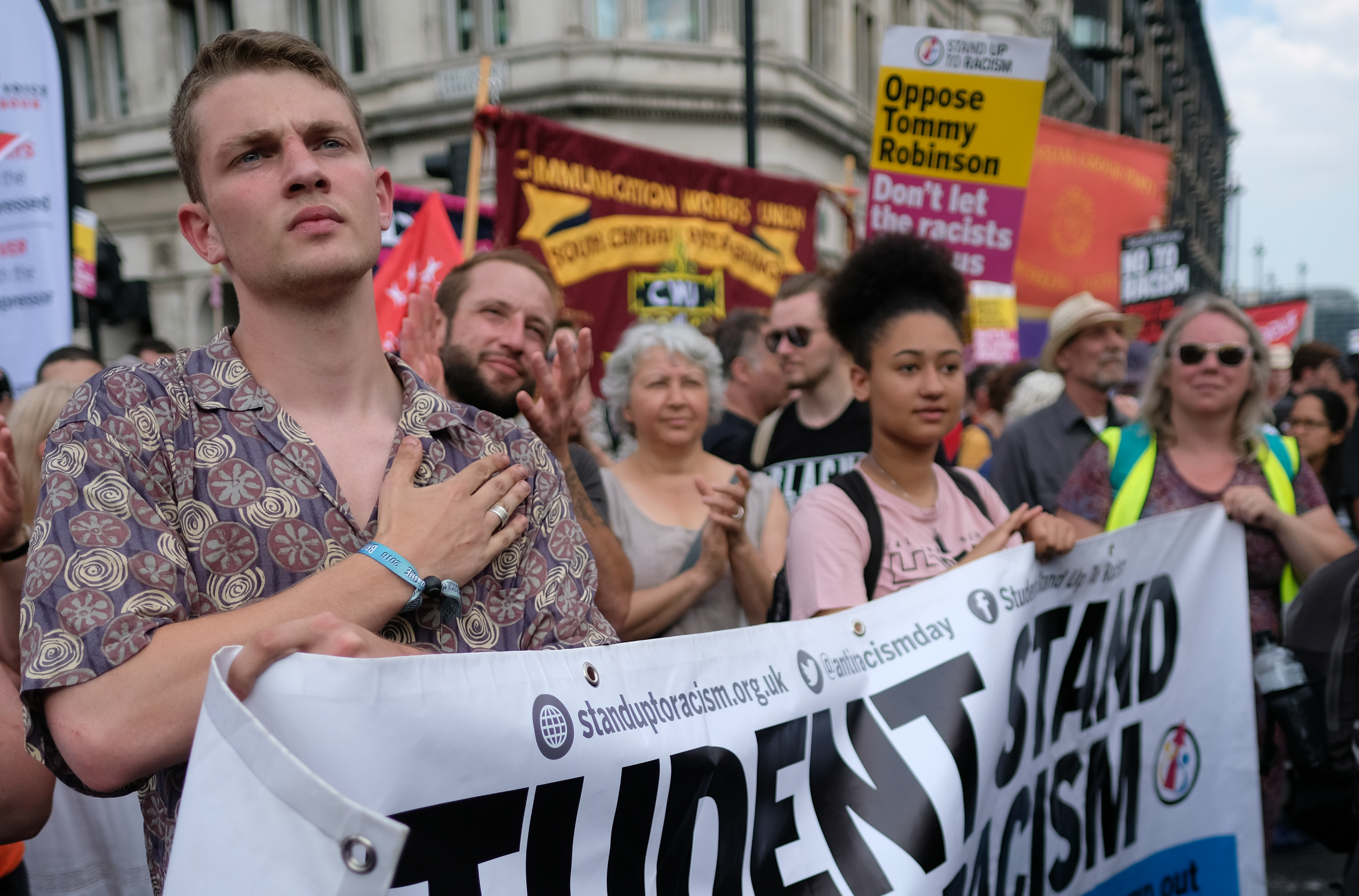
Australian journalist Karl Stefanovic released a sit-down interview with British far-right activist Tommy Robinson that was removed shortly after airing.
The incident highlights the ongoing tension between journalistic efforts to interview controversial figures and the public pressure to deny platforms to far-right voices. The rapid removal of the content has led to accusations of bias and systemic censorship of right-wing perspectives.
Stefanovic conducted the interview for his independent podcast, which was broadcast via Channel Nine platforms [1]. The episode was taken down less than one day after it aired [1]. The removal followed a wave of public and media outrage regarding the decision to provide a platform to Robinson [1], [2].
Some observers have described the reaction to the interview as hysteria [1]. Critics of the removal argue that the backlash is a disproportionate response specifically targeted at right-wing voices [1], [2]. These critics suggest that the speed of the deletion reflects a broader institutional bias within media organizations.
The controversy has placed Stefanovic's career at Channel Nine under scrutiny [2]. While the journalist sought to engage in a conversation that some describe as one the public has been trying to ignore, the resulting friction has created a professional crossroads for the broadcaster [1], [2].
Robinson remains a polarizing figure in British politics, often associated with far-right activism. The decision to host him, and the subsequent decision to scrub the recording, underscores the volatility of current media landscapes where the act of interviewing can be seen as an endorsement of the subject's views.
“The interview was taken down less than one day after it aired.”
This event illustrates the 'deplatforming' dilemma facing modern media outlets. By removing the content within 24 hours, the network attempted to mitigate public backlash, but in doing so, they fueled a narrative of right-wing erasure. This cycle suggests that traditional broadcasting platforms are struggling to balance the journalistic mandate of interviewing all sides with the corporate need to avoid brand association with extremist figures.


