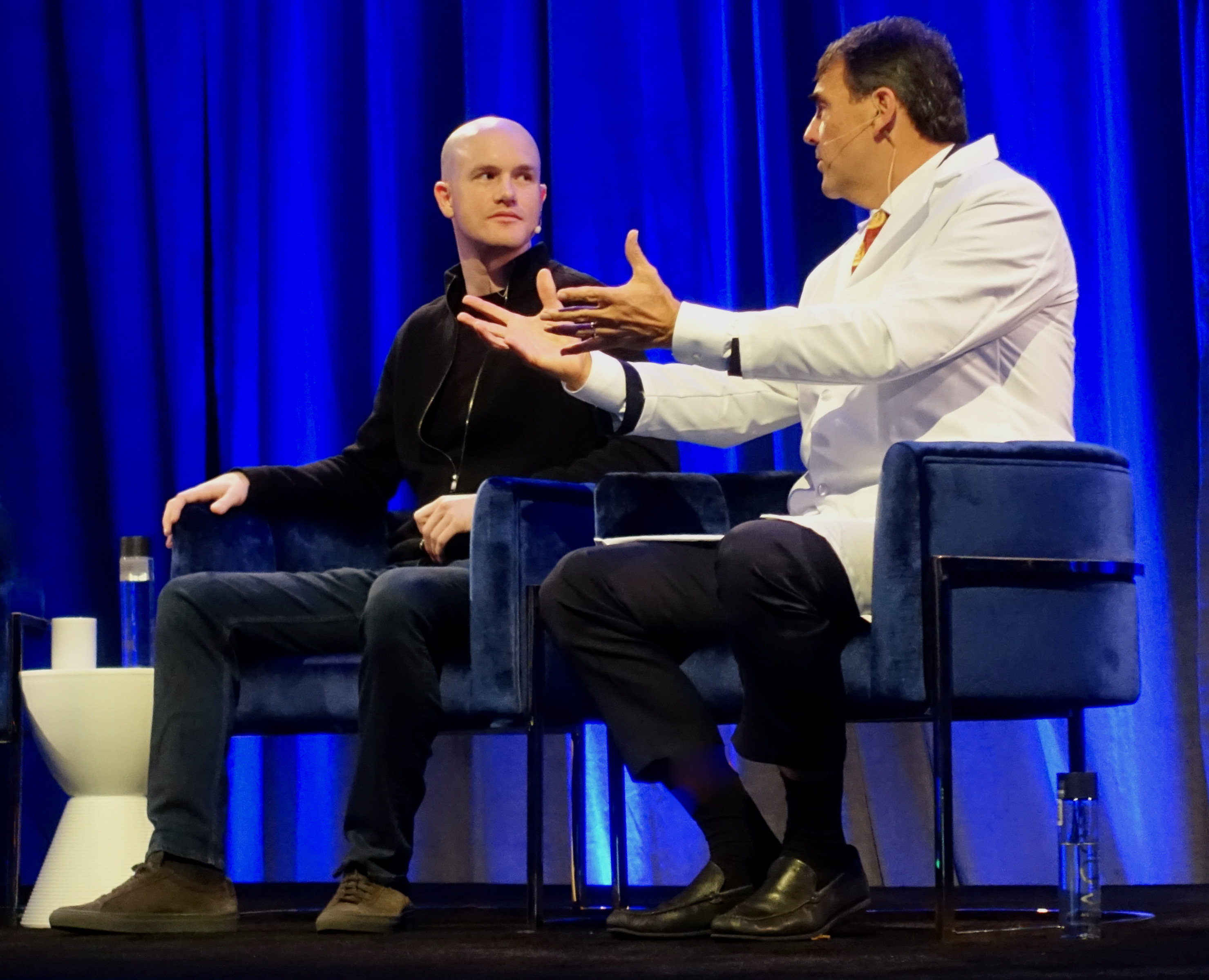
Stripe co-founder and president John Collison said AI agents that shop for consumers will fundamentally change how people buy products online.
This shift toward "agentic commerce" represents a move away from manual browsing toward autonomous purchasing. If AI agents begin handling transactions, retailers must rethink their entire digital storefront strategies to remain visible to algorithms rather than human eyes.
Collison said these developments during a May 16 interview on Bloomberg Television’s Odd Lots podcast. He said that the current method of using keyword searches to find products is a "ridiculous" way to buy things.
According to Collison, agentic commerce will fundamentally change how consumers shop online. Instead of a human navigating a website, AI agents will act on behalf of the user to find and purchase the best options based on specific preferences.
To support this transition, Stripe is expanding its technical infrastructure. The company is bringing agentic checkout to four of the largest AI platforms through a partnership with Google [1]. This integration aims to streamline how AI agents execute payments without requiring constant human intervention.
Stripe is also engaging with specialized infrastructure providers to build this ecosystem. On April 30, 2026, the company announced that Runloop had joined Stripe Projects [2]. Runloop provides essential infrastructure designed for the agentic commerce era, focusing on the backend needs of AI-driven transactions.
Collison said the transition will force a broader evolution of the internet. As agents take over the discovery and purchasing process, the traditional e-commerce interface may become secondary to the data layers that AI agents use to compare products, and finalize sales.
“Keyword search is a "ridiculous" way to buy things.”
The move toward agentic commerce signals a shift from 'search-and-click' retail to 'intent-based' retail. If AI agents become the primary gatekeepers of consumer spending, the value of traditional search engine optimization (SEO) may decline in favor of 'agent optimization,' where brands compete to be the preferred choice of an AI's decision-making logic.