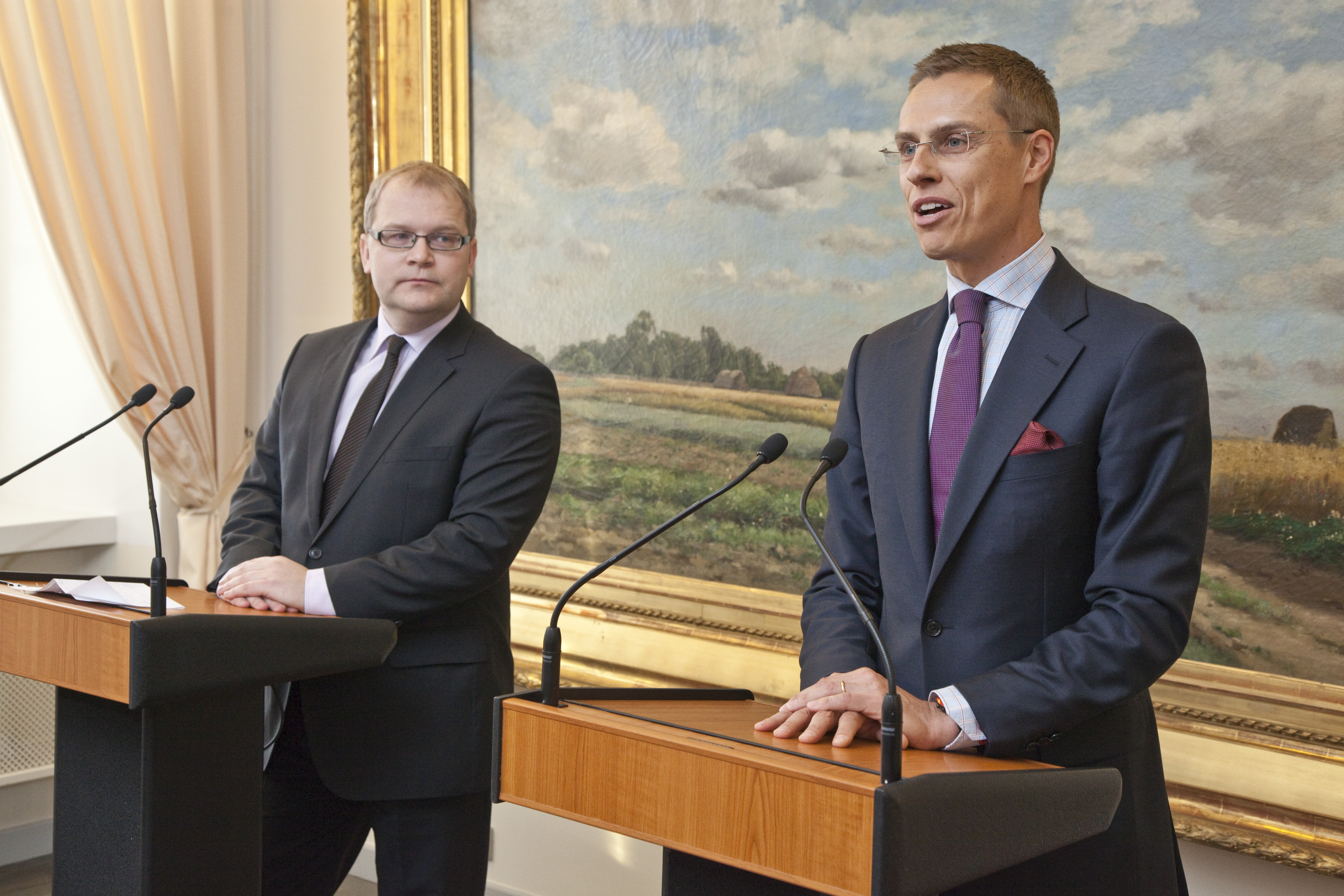
Finnish President Alexander Stubb said Donald Trump's foreign policy is transactional and has shifted U.S. global strategy toward unilateral power projection [1, 2].
This assessment highlights a fundamental change in how the U.S. interacts with its allies, suggesting that traditional diplomatic frameworks are being replaced by a model based on immediate gains, and power dynamics.
Speaking with journalist Dasha Burns in an interview recorded on May 27, 2024 [1, 3], Stubb said that the U.S. has moved away from alliance-led diplomacy [2]. He said this shift is a transition toward unilateral power projection, where the U.S. acts independently rather than through established international partnerships [2].
Stubb said that this transactional approach changes the way the U.S. projects power globally. He said European leaders must adapt to this new reality, as the predictability of alliance-based security may be diminishing.
Despite the volatility associated with such a policy shift, Stubb said he does not get too upset or emotional about it [1]. He said that he simply deals with the realities of the world [1].
The interview, which appeared on Politico's YouTube channel and was recorded for The Conversation podcast, focused on the practical implications of a U.S. administration that prioritizes bilateral deals over multilateral agreements [1, 2]. Stubb's comments suggest that European nations may need to rethink their own strategic autonomy if the U.S. continues to favor a transactional model of engagement [2].
“Trump's foreign policy has shifted from alliance‑led diplomacy to unilateral power projection.”
Stubb's analysis suggests a decoupling of US security guarantees from traditional diplomatic loyalty. By labeling the approach 'transactional,' he implies that US support is no longer a default byproduct of an alliance, but a negotiable asset. This puts pressure on European nations to increase their own defense capabilities and diplomatic agility to maintain stability in a world where the US may act unilaterally.


