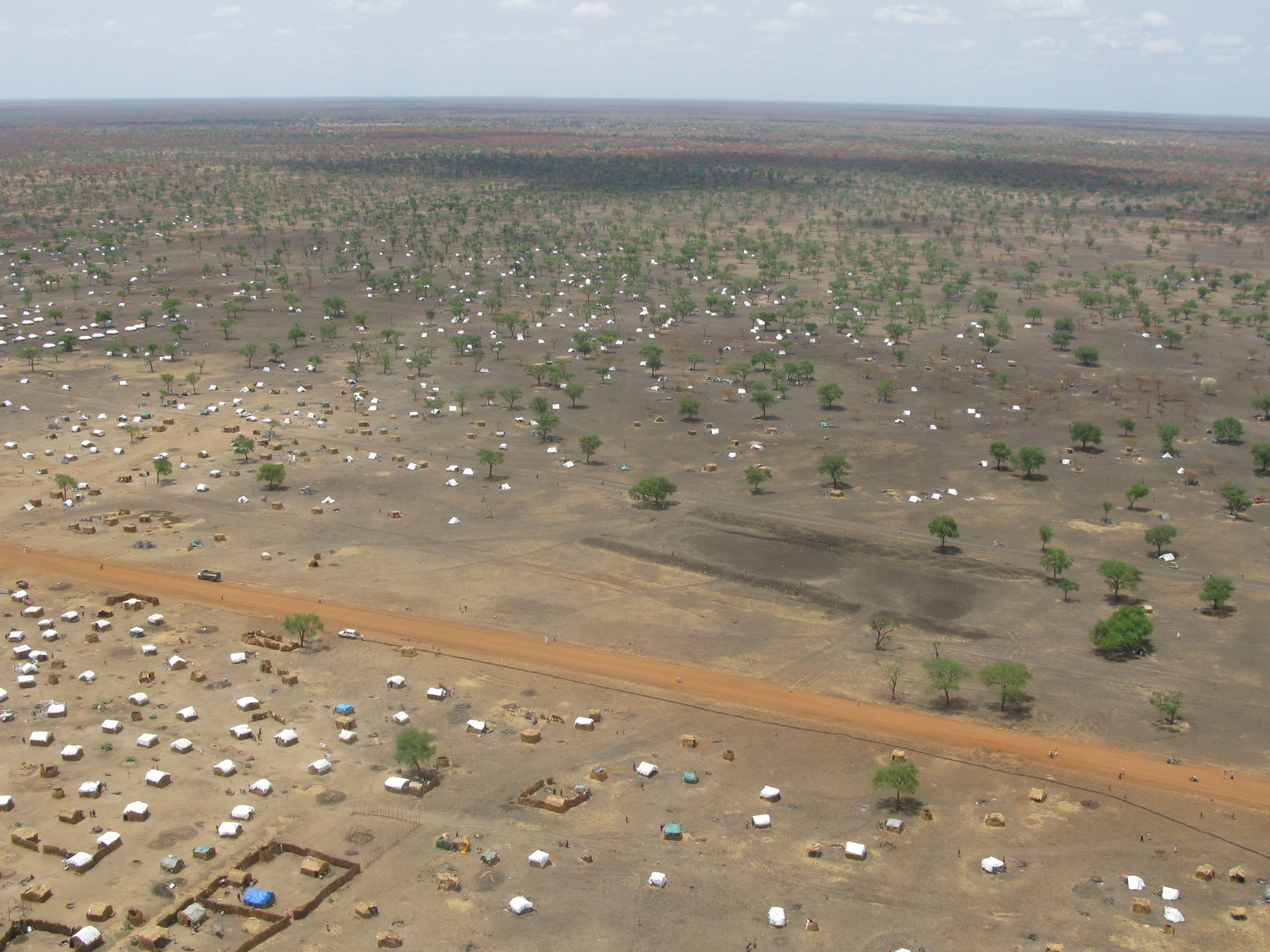
The Sudanese army and the Rapid Support Forces (RSF) engaged in intense armed clashes in the Blue Nile region of southeastern Sudan.
These battles signal an expanding theater of conflict in a region struggling with a growing security vacuum. The instability threatens to further destabilize southeastern Sudan and increase the number of civilians caught in the crossfire between the competing military factions.
The fighting involves the Sudanese army against the RSF and the Popular Movement North [1]. These forces have engaged in a series of attacks and counter-attacks across the Blue Nile region [2].
The violence has had an immediate impact on the local population, particularly in the city of Qaisan. Reports said 1,645 people were displaced from the city due to the clashes [3].
This regional escalation is part of a broader national conflict. In the wider context of Sudan's ongoing instability, estimates suggest around 500 civilians have died [4]. The current battles in the Blue Nile region reflect the ongoing struggle for territorial control and the inability of the state to maintain order in its periphery.
Military sources said the clashes are a result of the armed contest between the army and RSF-aligned forces [2]. The movement of displaced persons from Qaisan underscores the volatility of the area, where civilian centers often become the front lines of military engagements [3].
“The Sudanese army and the Rapid Support Forces (RSF) engaged in intense armed clashes in the Blue Nile region.”
The eruption of violence in the Blue Nile region indicates that the conflict between the Sudanese army and the RSF is not confined to urban centers or specific strongholds. By expanding into southeastern Sudan and involving the Popular Movement North, the war is evolving into a fragmented, multi-front struggle. The displacement of civilians from Qaisan suggests that the security vacuum is allowing military factions to contest strategic regional hubs, potentially leading to a wider humanitarian crisis in the periphery.

'%2F%3E%0A%20%20%20%20%3Crect%20width%3D'1600'%20height%3D'900'%20fill%3D'url(%23v)'%2F%3E%0A%20%20%20%20%3Cg%20opacity%3D'0.08'%20fill%3D'%23ffffff'%3E%0A%20%20%20%20%20%20%3Ccircle%20cx%3D'1420'%20cy%3D'180'%20r%3D'220'%2F%3E%0A%20%20%20%20%20%20%3Ccircle%20cx%3D'1500'%20cy%3D'760'%20r%3D'120'%2F%3E%0A%20%20%20%20%3C%2Fg%3E%0A%20%20%20%20%3Cline%20x1%3D'80'%20y1%3D'172'%20x2%3D'220'%20y2%3D'172'%20stroke%3D'%23ffffff'%20stroke-width%3D'3'%20stroke-opacity%3D'0.6'%2F%3E%0A%20%20%20%20%3Ctext%20x%3D'80'%20y%3D'140'%20font-family%3D'Inter%2C%20-apple-system%2C%20Helvetica%2C%20sans-serif'%20font-weight%3D'700'%20font-size%3D'28'%20fill%3D'%23ffffff'%20letter-spacing%3D'6'%3EHANNA%20%C2%B7%20NEWS%3C%2Ftext%3E%0A%20%20%20%20%3Ctext%20x%3D'80'%20y%3D'230'%20font-family%3D'Inter%2C%20-apple-system%2C%20Helvetica%2C%20sans-serif'%20font-weight%3D'600'%20font-size%3D'40'%20fill%3D'%23ffffffb3'%20letter-spacing%3D'4'%3EWORLD%3C%2Ftext%3E%0A%20%20%20%20%3Ctext%20x%3D'80'%20y%3D'622'%20font-family%3D'Playfair%20Display%2C%20Georgia%2C%20serif'%20font-weight%3D'800'%20font-size%3D'86'%20fill%3D'%23ffffff'%20letter-spacing%3D'-1'%3ERio%20de%20Janeiro%20State%3C%2Ftext%3E%3Ctext%20x%3D'80'%20y%3D'721'%20font-family%3D'Playfair%20Display%2C%20Georgia%2C%20serif'%20font-weight%3D'800'%20font-size%3D'86'%20fill%3D'%23ffffff'%20letter-spacing%3D'-1'%3ELegislature%20Enters%20Recess%3C%2Ftext%3E%3Ctext%20x%3D'80'%20y%3D'820'%20font-family%3D'Playfair%20Display%2C%20Georgia%2C%20serif'%20font-weight%3D'800'%20font-size%3D'86'%20fill%3D'%23ffffff'%20letter-spacing%3D'-1'%3EAmid%20Political%20Clash%3C%2Ftext%3E%0A%20%20%20%20%3Ctext%20x%3D'80'%20y%3D'870'%20font-family%3D'Inter%2C%20-apple-system%2C%20Helvetica%2C%20sans-serif'%20font-weight%3D'500'%20font-size%3D'22'%20fill%3D'%23ffffff66'%20letter-spacing%3D'2'%3Enews.hanna-ai.com%3C%2Ftext%3E%0A%20%20%3C%2Fsvg%3E)
