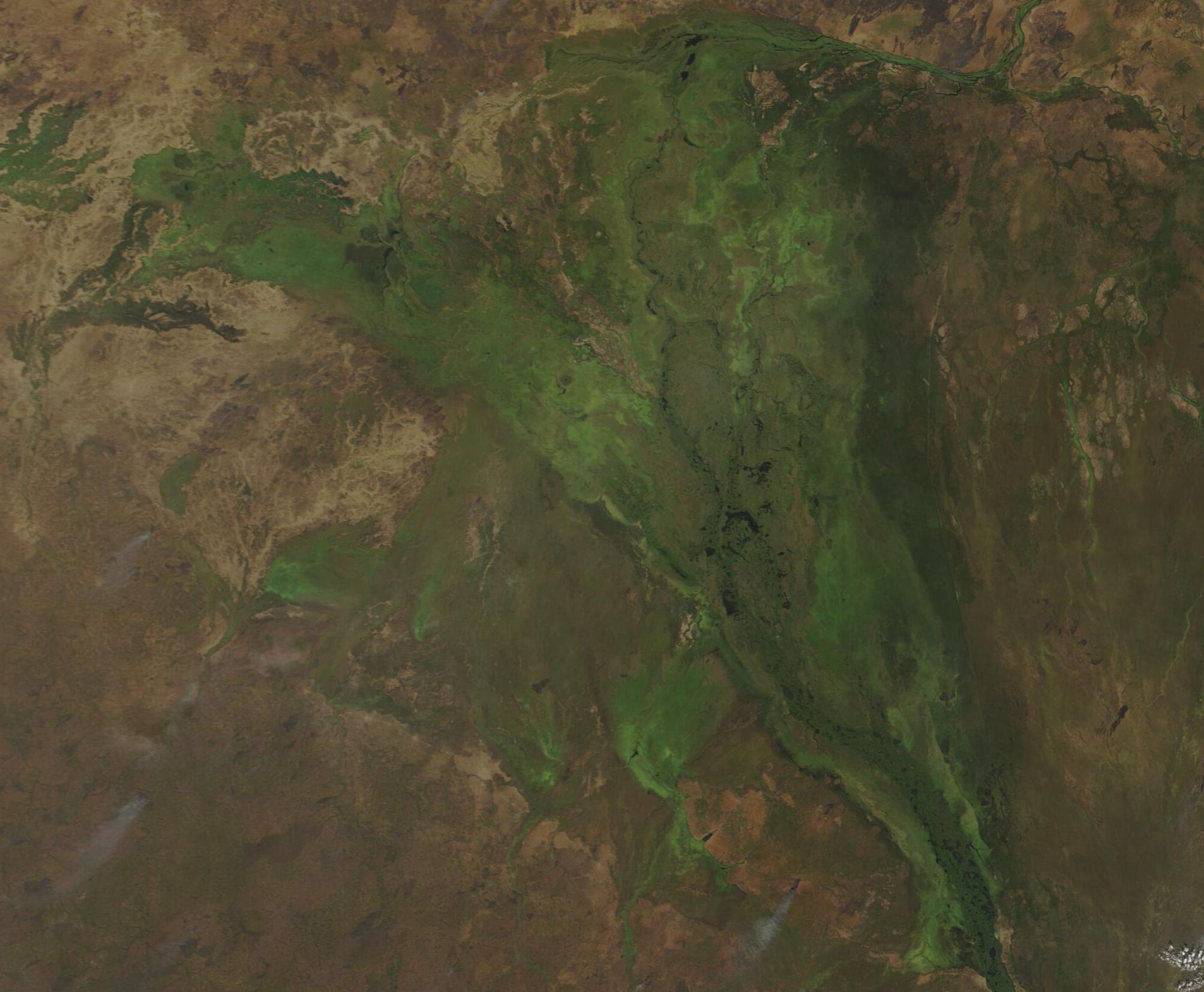
The Rapid Support Forces paramilitary group is besieging El Obeid, trapping approximately 500,000 civilians [1] as they battle the Sudanese army.
The escalating conflict in central Sudan threatens to trigger a massive humanitarian disaster. Officials said the current siege could mirror the previous catastrophe witnessed in El Fasher, where urban warfare led to widespread civilian casualties and displacement.
El Obeid serves as the capital of North Kordofan state. The RSF has intensified its efforts to seize control of the city using drone attacks and a tightening blockade. These tactics are part of a broader strategy by the paramilitary group to enforce its dominance over the central region of the country [1], [2].
Civilians caught in the crossfire face dwindling resources as the siege restricts the movement of food, and medical supplies. The Sudanese army continues to resist the RSF advance, but the increasing use of aerial weaponry has heightened the risk to non-combatants [2].
Local observers said the situation is deteriorating. The city has become a focal point of the struggle for territorial control, with both sides deploying heavy weaponry in densely populated areas [1].
International monitors have expressed concern over the lack of safe corridors for the 500,000 people currently stuck in the city [1]. The risk of famine and disease increases as the blockade persists, and the infrastructure of the North Kordofan capital collapses under the weight of the fighting [1], [2].
“The RSF has intensified its efforts to seize control of the city using drone attacks.”
The battle for El Obeid represents a critical escalation in the Sudanese conflict, as the RSF seeks to consolidate power in the strategic heart of the country. If the city falls or the siege continues, the resulting humanitarian collapse could create a new epicenter of displacement and death, further destabilizing the region and complicating international efforts to broker a ceasefire.


