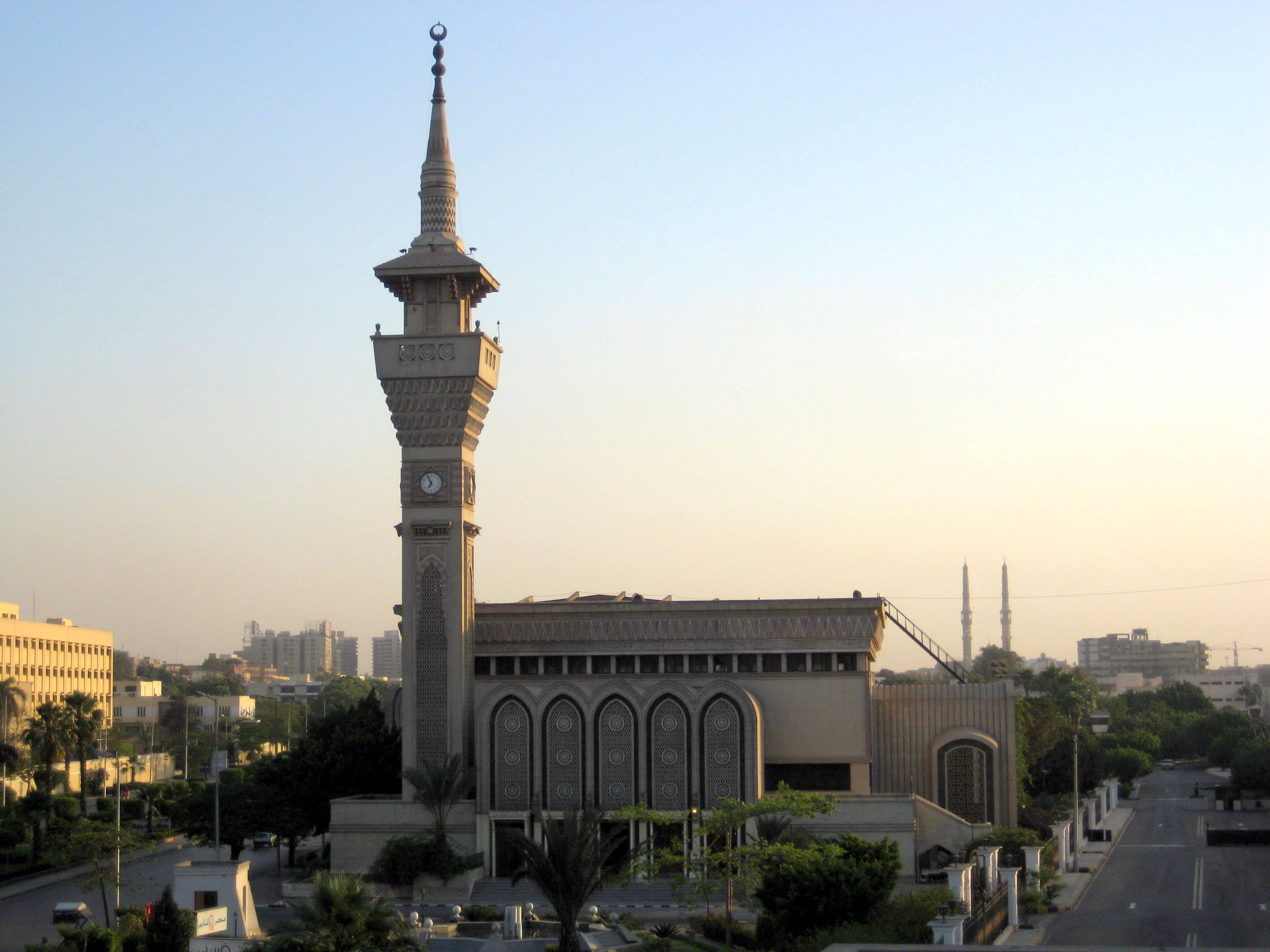
The 1956 Suez Crisis involved a military intervention by the United Kingdom and France, supported by Israel, against Egypt [1].
This conflict serves as a pivotal historical marker because it signaled the collapse of European colonial dominance in the Middle East. The failure of the intervention demonstrated that the global power balance had shifted away from traditional imperial capitals toward new superpowers.
The crisis began after Egyptian President Gamal Abdel Nasser nationalized the Suez Canal [1]. This move threatened the strategic and economic interests of the United Kingdom and France, which sought to regain control over the vital waterway [2]. In October and November of 1956 [2], the tripartite forces launched an operation to seize the canal and remove Nasser from power.
Despite the initial military actions, the political fallout was severe. The operation failed to achieve its long-term goals and instead highlighted the diminishing influence of the European powers on the world stage. The strategic miscalculation accelerated the transition of these nations from global empires to regional powers.
Rafael Ramos, a correspondent, said the operation of 1956 against Nasser accelerated the final end of the British domain and the French Fourth Republic [3].
The geopolitical shift was immediate. The event forced a reassessment of colonial administration across Africa and Asia, as other nations observed the inability of Britain and France to maintain their grip on the region through force [2]. This era of transition redefined international diplomacy during the mid-20th century.
“The failure of the intervention demonstrated that the global power balance had shifted.”
The Suez Crisis represents more than a regional conflict; it was the definitive psychological and political end of the colonial era for Britain and France. By attempting to use 19th-century imperial tactics in a post-WWII world, these nations inadvertently proved they could no longer act independently of the U.S. and Soviet Union, effectively ending their status as primary global hegemons.


![U.S. Secretary of State Michael R. Pompeo participates in a television interview with CBC Canadian in Ottawa, Canada on August 22, 2019. [State Department photo by Ron Przysucha/ Public Domain]](https://upload.wikimedia.org/wikipedia/commons/2/2e/Secretary_Pompeo_Participates_in_an_Interview_With_CBC_Canadian_%2848606655752%29.jpg)