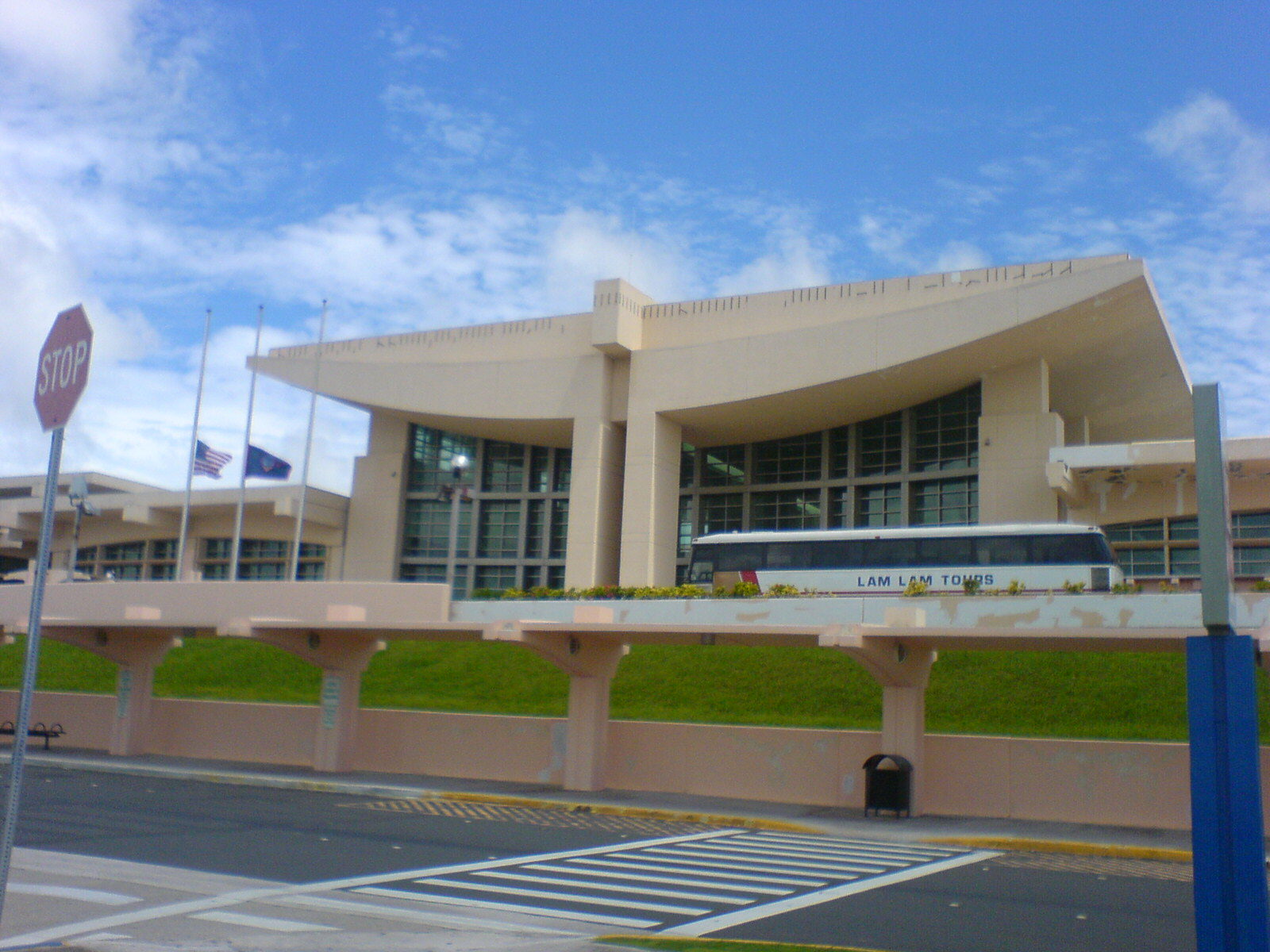
Super Typhoon Bavi struck Guam on Monday, July 6, 2026, battering the Antonio B. Won Pat International Airport with catastrophic winds and heavy rain [1, 2].
The storm's impact on the primary aviation hub threatens critical transport links for the U.S. Pacific territory and complicates emergency response efforts. Because the airport serves as a vital lifeline for supplies and personnel in the Mariana Islands, any significant damage could isolate the region during the recovery phase.
Reports indicate the storm brought intense weather conditions to the island as it made landfall [3, 4]. The Antonio B. Won Pat International Airport experienced the brunt of the system's power, with wind and rain causing significant disruption to operations [1, 2].
Earlier this week, weather alerts warned that fierce winds were approaching the territory [5, 6]. While some reports indicated the storm was approaching on July 5, the most severe impact occurred on Monday [2, 3].
Local authorities and emergency services have been monitoring the situation as the super typhoon moves through the Western Pacific [3]. The scale of the storm has prompted warnings regarding the potential for widespread destruction across the Mariana Islands [3, 4].
Images and videos from the region show the storm hammering the territory, highlighting the intensity of the wind gusts, and the volume of precipitation [4]. The U.S. Pacific territories remain on high alert as the system continues to influence regional weather patterns [5].
“Super Typhoon Bavi struck Guam on Monday, July 6, 2026”
The strike on Guam's primary international airport underscores the vulnerability of isolated Pacific territories to intensifying weather patterns. When a super typhoon disables a sole major aviation hub, it creates a logistical bottleneck that can delay the arrival of federal aid and medical supplies, potentially extending the humanitarian crisis beyond the immediate duration of the storm.


