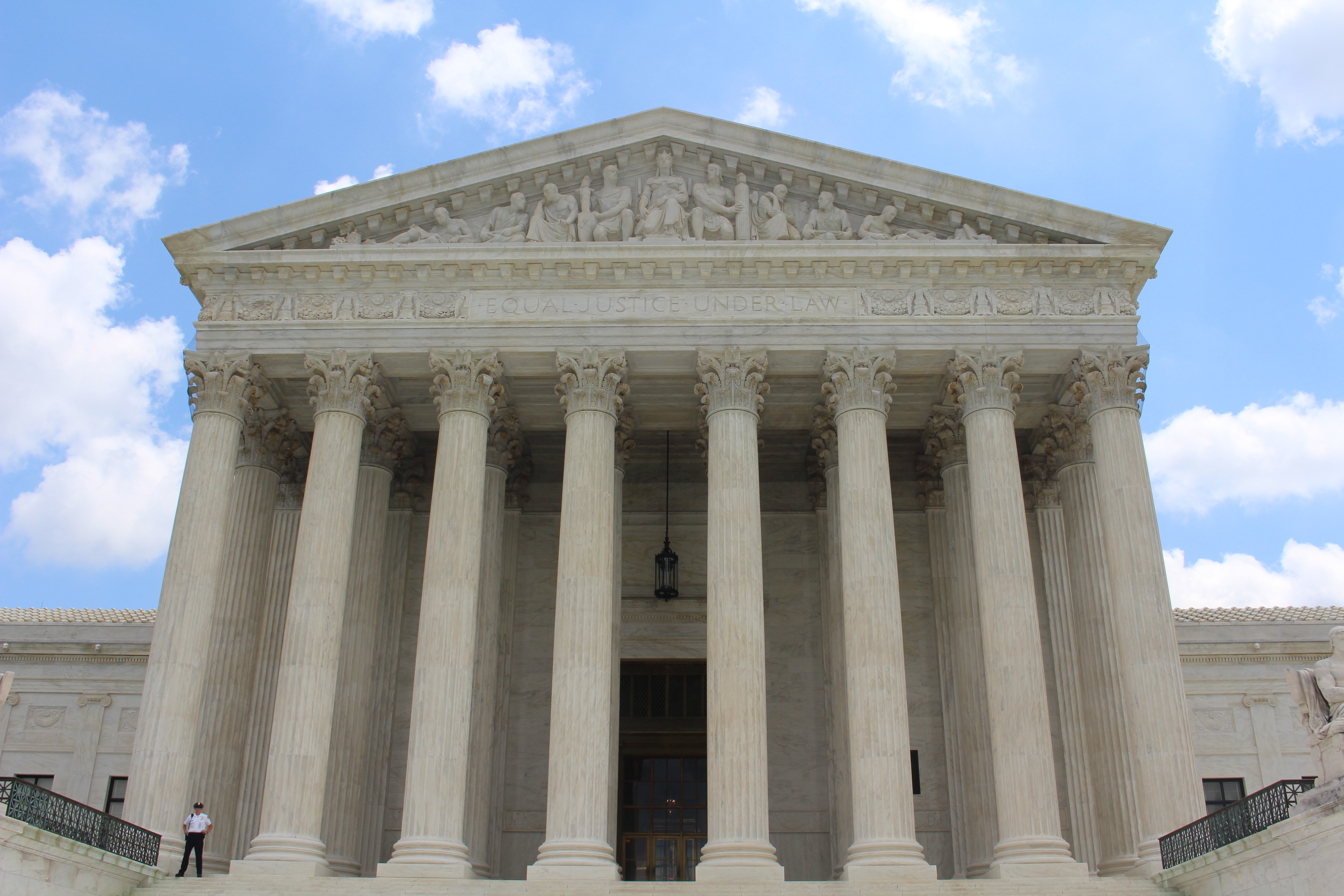
The U.S. Supreme Court is considering a case brought by the Trump administration that challenges birthright citizenship under the 14th Amendment [1].
This case represents a fundamental legal shift that could redefine who is eligible for citizenship. A ruling against birthright citizenship would fundamentally alter the interpretation of the Citizenship Clause and affect millions of families.
The legal challenge seeks to determine whether the Constitution’s Citizenship Clause applies to children born in the U.S. to undocumented immigrants [1]. The Trump administration aims to limit the scope of this guarantee, arguing that the current interpretation of the 14th Amendment is overly broad.
Legal observers have identified five key issues to monitor as the court evaluates the merits of the case [1]. These issues center on the historical intent of the 14th Amendment and the specific phrasing used to define citizenship at birth.
The case arrives at a time of intense national debate over immigration policy and the legal status of non-citizens. The court must decide if the phrase "subject to the jurisdiction thereof" excludes children of undocumented parents, a distinction that would remove the automatic guarantee of citizenship for those born on U.S. soil.
Because the ruling would set a binding national precedent, the outcome will determine whether the U.S. maintains its long-standing practice of granting citizenship based on geography regardless of the parents' legal status [1].
“The court will consider a Trump administration case challenging the 14th Amendment's guarantee of citizenship.”
A decision to limit birthright citizenship would overturn decades of legal precedent and potentially create a class of permanent non-citizens born within the U.S. This would shift the U.S. from a jus soli (right of the soil) system toward a jus sanguinis (right of blood) system, similar to many other developed nations.


