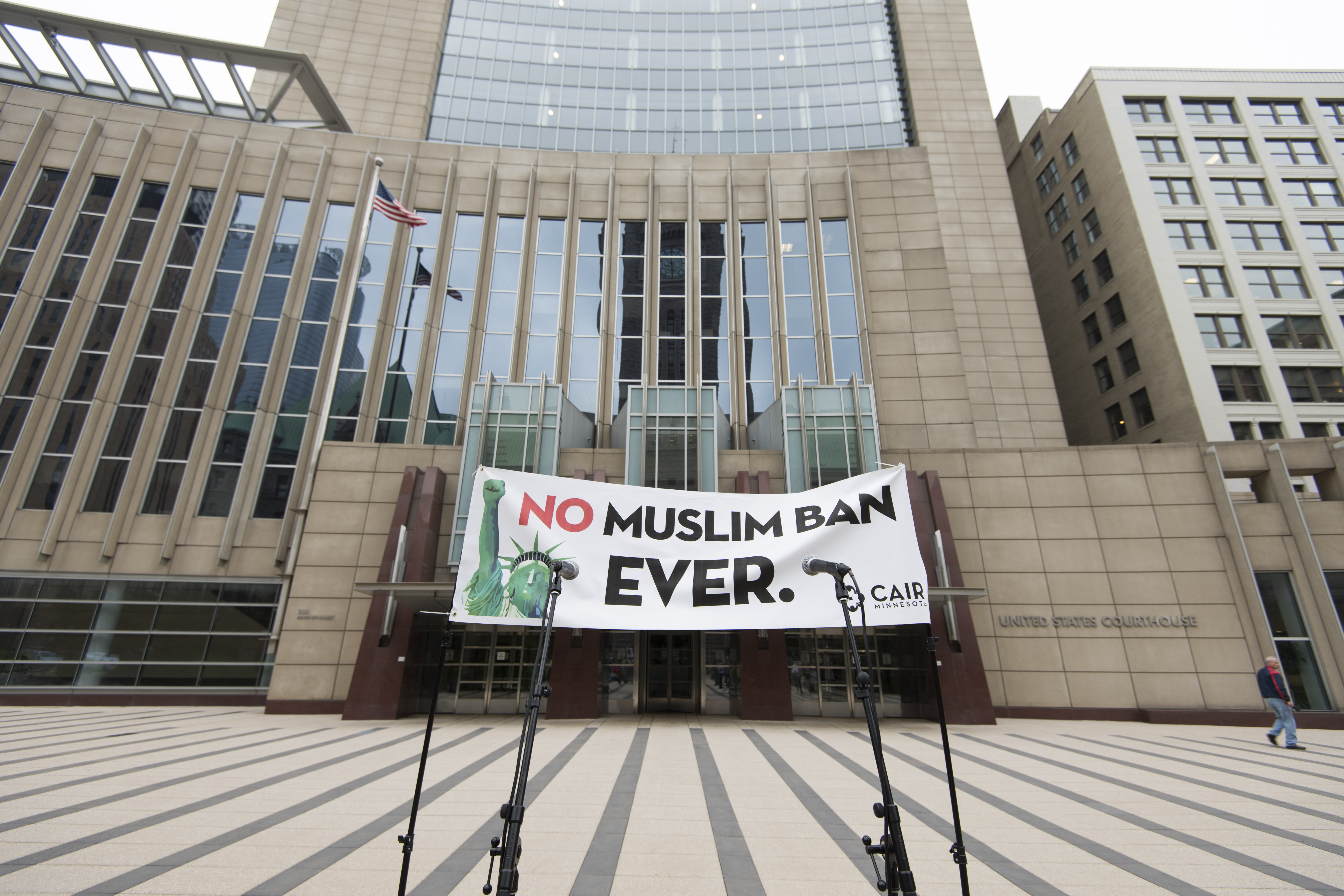
The U.S. Supreme Court ruled six-three [1] on Tuesday to reject an executive order by President Donald Trump that sought to eliminate birthright citizenship.
The decision preserves a fundamental pillar of American law by upholding the 14th Amendment's guarantee that all persons born in the U.S. are citizens. This ruling prevents the administration from unilaterally altering citizenship status via executive action, ensuring that birthright citizenship remains intact for millions of families.
In the ruling issued June 30, 2026 [2], the justices concluded that the executive order exceeded presidential authority. The court relied on a long-settled interpretation of federal law and the Constitution to reach its decision [3]. The majority opinion emphasized that the 14th Amendment provides a clear mandate that cannot be overridden by a directive from the White House [3].
President Trump said the executive order was a necessary tool for border security and national sovereignty. However, the court found that such a shift in citizenship policy would require a constitutional amendment, or an act of Congress, rather than a presidential decree [3].
The six-three [1] vote indicates a strong consensus among the justices regarding the limits of executive power in this specific area of law. The ruling effectively halts the implementation of the order and restores the legal status quo regarding the citizenship of children born on U.S. soil [3].
Legal experts said the decision reinforces the judiciary's role in checking executive overreach. By citing established precedents, the court maintained the stability of the U.S. legal framework regarding national identity and membership [3].
“The Supreme Court ruled six-three to reject President Trump’s executive order that sought to eliminate birthright citizenship.”
This ruling affirms that birthright citizenship is a constitutional mandate rather than a policy preference. By blocking the executive order, the Supreme Court has signaled that the 14th Amendment remains a rigid barrier against presidential attempts to redefine citizenship, meaning any future changes to who is considered a U.S. citizen would likely require a formal amendment to the Constitution.