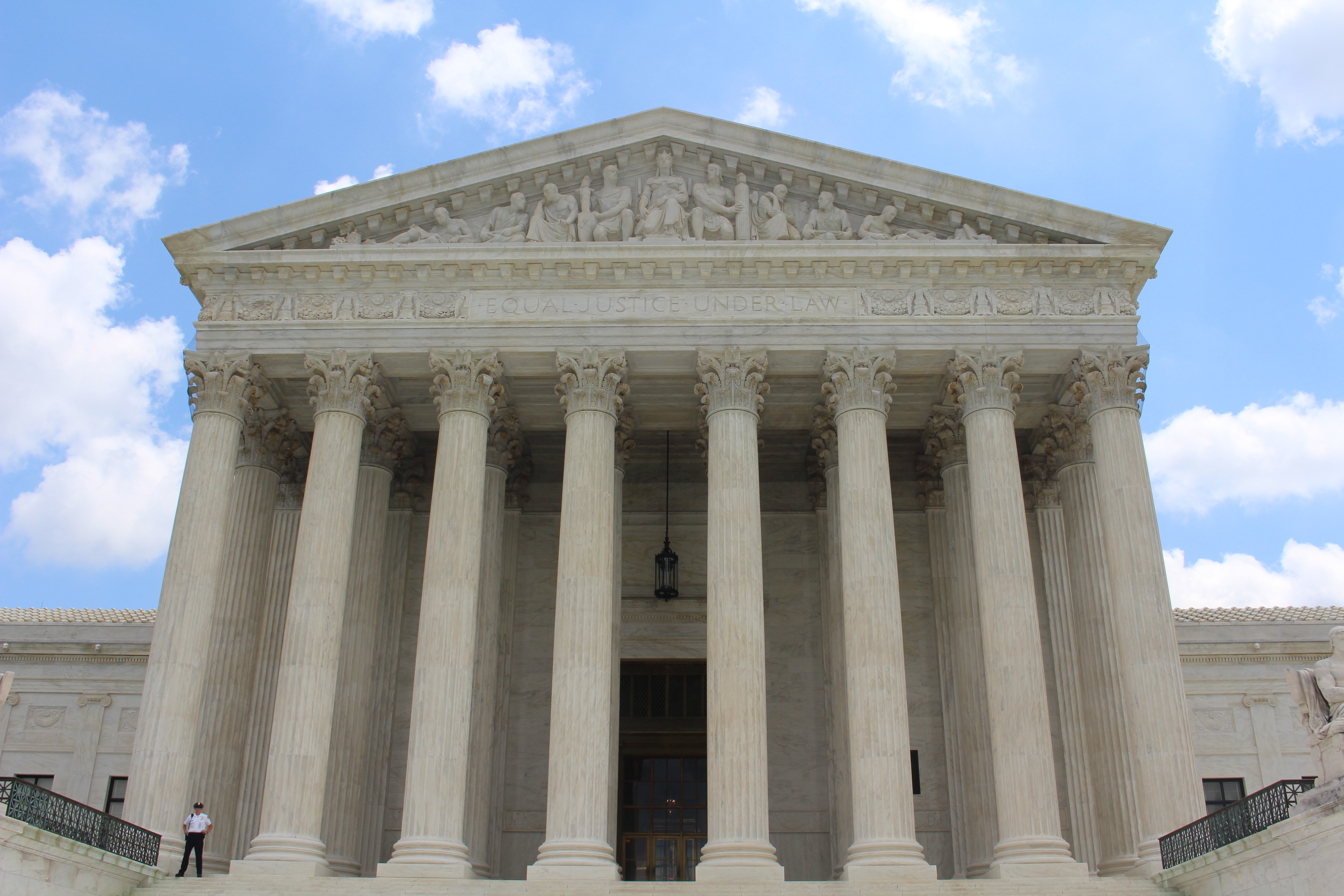
The U.S. Supreme Court rejected an executive order from President Donald Trump that sought to restrict birthright citizenship in the United States.
The ruling preserves a long-standing interpretation of the 14th Amendment, ensuring that individuals born on U.S. soil are guaranteed citizenship regardless of their parents' legal status. This decision blocks a significant pillar of the administration's immigration strategy.
In a 6-3 decision [1], the nine justices held that the executive order exceeded presidential authority. The court determined that the order conflicted with the constitutional guarantee of citizenship provided by the 14th Amendment [2], [3].
The ruling comes as a legal setback for the administration in Washington, D.C. This is the second time this year that the court has invalidated a major Trump initiative [4].
Legal analysts said that the court focused on the limits of executive power. By affirming that the president cannot unilaterally alter the requirements for citizenship, the court reinforced the primacy of the Constitution over executive mandates, a move that prevents the immediate implementation of the administration's restrictions.
Because the ruling was issued on Tuesday, June 30, 2026, the executive order is effectively void. The decision ensures that the status quo regarding birthright citizenship remains unchanged for families and immigrants currently residing in the U.S.
“The court held that the executive order exceeded presidential authority”
This ruling reinforces the legal doctrine of jus soli, or right of the soil, in the United States. By citing the 14th Amendment, the Supreme Court has signaled that birthright citizenship is a constitutional protection that cannot be dismantled through executive action alone, requiring instead a constitutional amendment or a different legal threshold that the current administration failed to meet.


