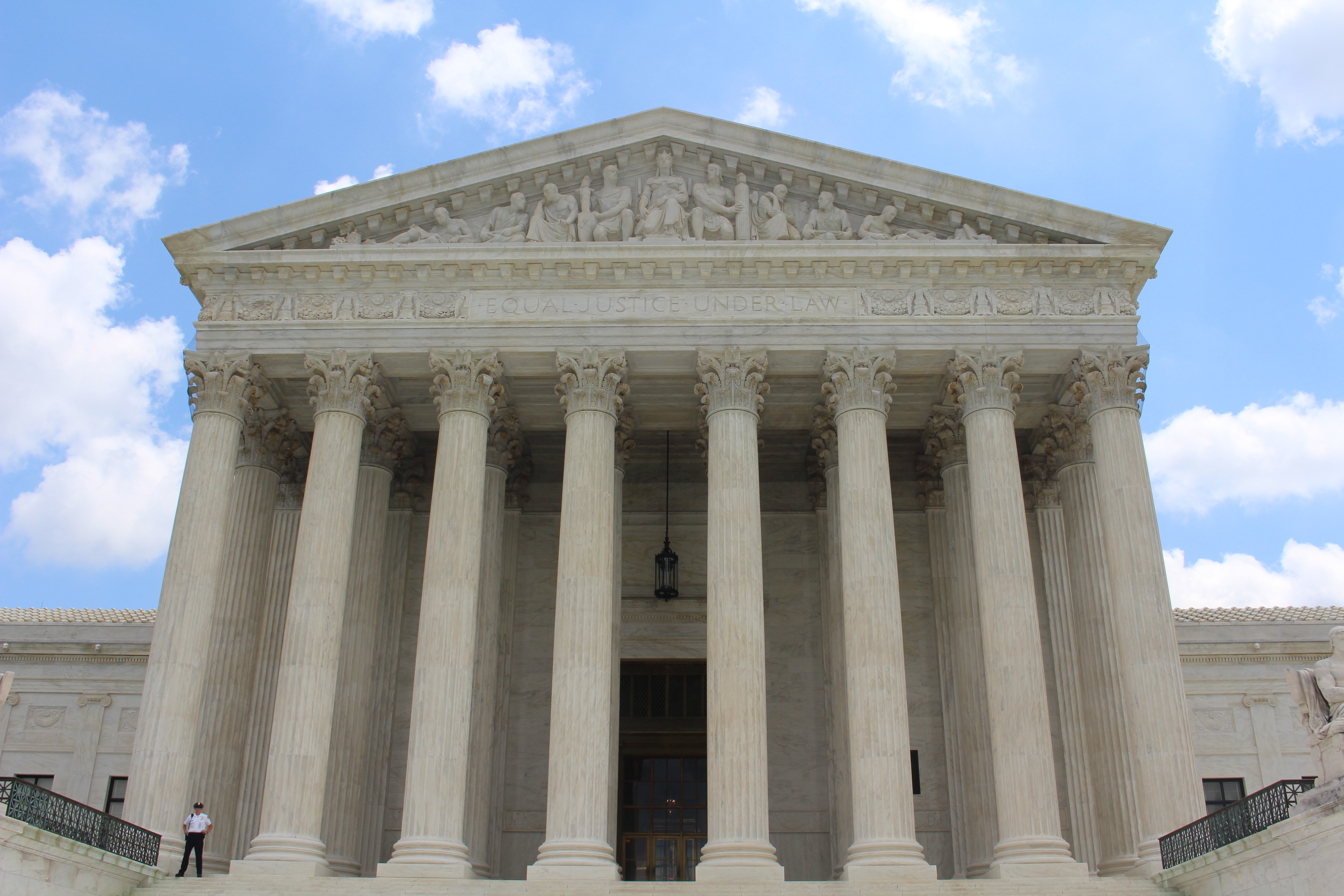
The U.S. Supreme Court upheld birthright citizenship and rejected an executive order from President Donald Trump that sought to limit the practice.
This ruling preserves a long-standing interpretation of the 14th Amendment, ensuring that children born in the U.S. to non-citizen parents automatically acquire citizenship. The decision prevents the executive branch from unilaterally altering citizenship eligibility through administrative orders.
The Court ruled on June 28, 2024 [1], stating that the 14th Amendment guarantees citizenship to anyone born on U.S. soil. The justices found that the Trump administration's executive order exceeded the authority of the president.
Senator Alex Padilla (D-Calif.) said the ruling was a victory for the American Dream.
President Donald Trump said, "Too bad for the country."
While many immigrant-rights advocates and lawmakers celebrated the decision, reactions were not universal. Some advocates in Maine decried the ruling, and other immigrant groups reported scrambling for clarity following the announcement.
In a separate but related action during the same term, the Supreme Court also upheld state bans on transgender athletes.
“The Court held that the 14th Amendment guarantees citizenship to anyone born on U.S. soil.”
The ruling reaffirms the judiciary's role in limiting executive power regarding constitutional interpretations. By upholding birthright citizenship, the Court maintains the status quo of the 14th Amendment, preventing a shift toward a more restrictive citizenship model that would require at least one parent to be a citizen.


