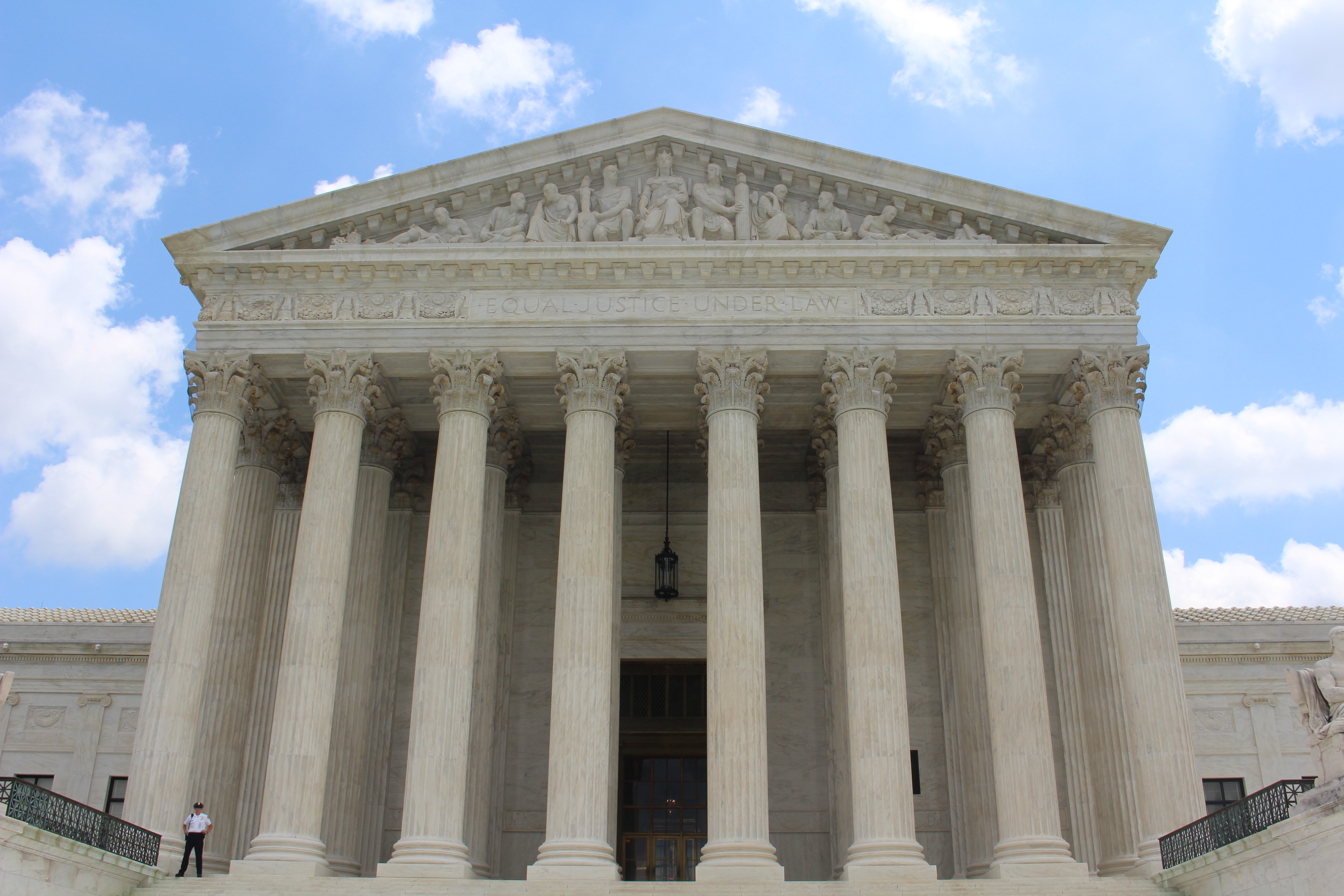
The U.S. Supreme Court rejected an executive order by President Donald Trump that sought to end birthright citizenship on June 30, 2026 [1].
The ruling preserves a foundational element of American law by affirming that the 14th Amendment guarantees citizenship to all persons born on U.S. soil. This decision prevents the administration from unilaterally altering the legal status of children born in the country.
In its decision, the Court found that the President's executive order exceeded constitutional authority [2]. The justices determined that the order would unlawfully overturn the long-standing interpretation of the 14th Amendment's citizenship clause [2].
This legal precedent has been upheld for more than 100 years [3]. By blocking the order, the Court maintained the status quo regarding how the U.S. defines citizenship at birth, a process that has historically remained independent of the immigration status of the parents.
Cecillia Wang, the National Legal Director for the ACLU, said the case centered on whether a president possesses the power to restrict citizenship via executive action without a constitutional amendment or legislative change.
The ruling comes after a period of intense legal debate over the scope of presidential power and the interpretation of constitutional guarantees. The Court's refusal to support the administration's challenge ensures that the 14th Amendment continues to operate as the primary authority on birthright citizenship [1].
“The Supreme Court rejected President Trump’s executive‑order attempt to end birthright citizenship.”
This ruling reinforces the judiciary's role in limiting executive overreach regarding constitutional interpretations. By upholding a century of precedent, the Court has signaled that the 14th Amendment's citizenship clause cannot be modified by executive order, ensuring that birthright citizenship remains a fixed legal certainty for millions of people regardless of shifting political administrations.


