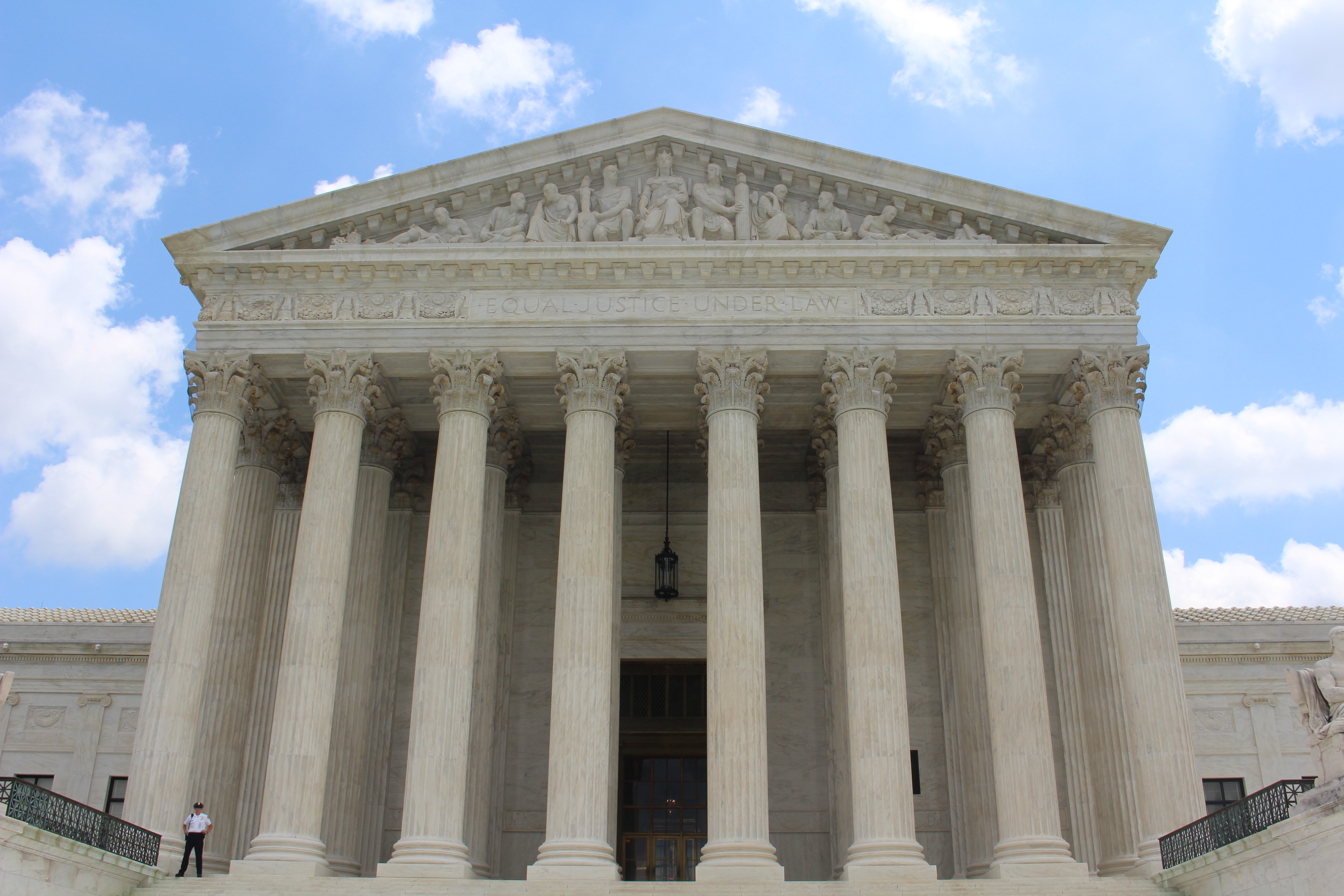
The U.S. Supreme Court rejected an executive order from President Donald Trump that sought to end birthright citizenship on June 30, 2026 [1, 2].
This ruling preserves a long-standing interpretation of the 14th Amendment, ensuring that children born on U.S. soil remain citizens regardless of their parents' legal status. The decision prevents the executive branch from redefining citizenship through administrative action, a move that would have affected millions of families.
In a six-three decision [1], the Court held that the president lacks the authority to unilaterally alter the Constitution-mandated citizenship provision of the 14th Amendment [1, 3]. Chief Justice John Roberts authored the majority opinion [1]. The ruling establishes that such a fundamental change to citizenship requirements would require a constitutional amendment or specific legislative action rather than an executive order.
Immigrant-rights activists celebrated the decision outside the court in Washington, D.C. [1]. Rep. Maria Garcia, an immigrant-rights advocate, said, "This is a victory for the American Dream and for families who come here seeking a better life."
President Trump responded to the ruling by indicating he would shift his strategy toward the legislative branch. "Too bad. I’m going to work with Congress to get this done," Trump said.
The decision marks a significant legal defeat for the administration's immigration agenda. While the executive order is now void, the administration's intent to pursue the matter through Congress suggests the political battle over birthright citizenship will continue in the legislative arena.
“The Court held that the President lacks authority to unilaterally alter the Constitution-mandated citizenship provision.”
The ruling reinforces the principle of judicial supremacy over the U.S. Constitution, confirming that the executive branch cannot bypass the amendment process to change who is considered a citizen. By ruling 6-3, the Court has signaled a strict adherence to the 14th Amendment's text, though the President's pivot toward Congress indicates that the issue may move from a legal dispute to a legislative one.


