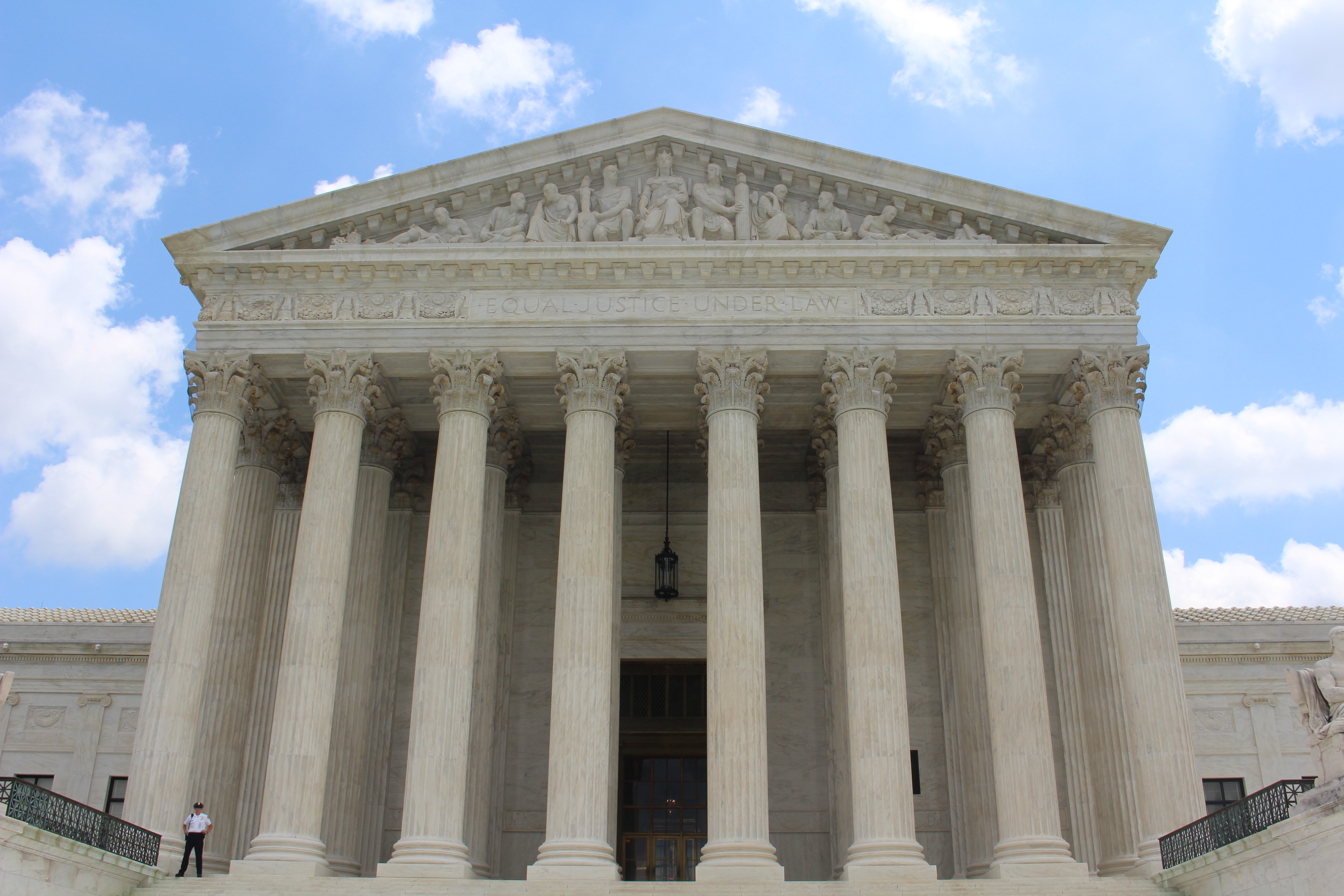
The U.S. Supreme Court upheld birthright citizenship on June 30, 2026 [1], rejecting an effort by President Trump to limit the practice.
This ruling prevents the executive branch from unilaterally altering citizenship eligibility, ensuring that birth on U.S. soil remains a guaranteed path to citizenship.
The court ruled that the Constitution guarantees citizenship to anyone born on U.S. soil [2]. The justices determined that the president cannot use executive action to override this constitutional right [2]. The decision arrived on the final day of the Supreme Court's term [1].
Republican lawmakers are now looking toward Congress for a legislative solution to address what they describe as "birth tourism" [2]. This shift suggests that GOP leaders view the judicial path as a dead end for their current strategy.
President Trump said he would continue fighting the issue at 250 "America 250" events [3]. These events are intended to maintain public pressure and political momentum regarding the issue of citizenship eligibility.
The ruling reinforces a long-standing interpretation of the 14th Amendment. By blocking the use of executive orders to curb birthright citizenship, the court has placed the burden of any potential change on the legislative process, or a constitutional amendment.
“The court ruled that the Constitution guarantees citizenship to anyone born on U.S. soil”
This decision reaffirms the legal stability of the 14th Amendment against executive challenges. By ruling that citizenship cannot be curtailed via executive order, the Supreme Court has shifted the battleground from the White House to the U.S. Capitol, where any change to birthright citizenship would require a high legislative threshold or a constitutional amendment.