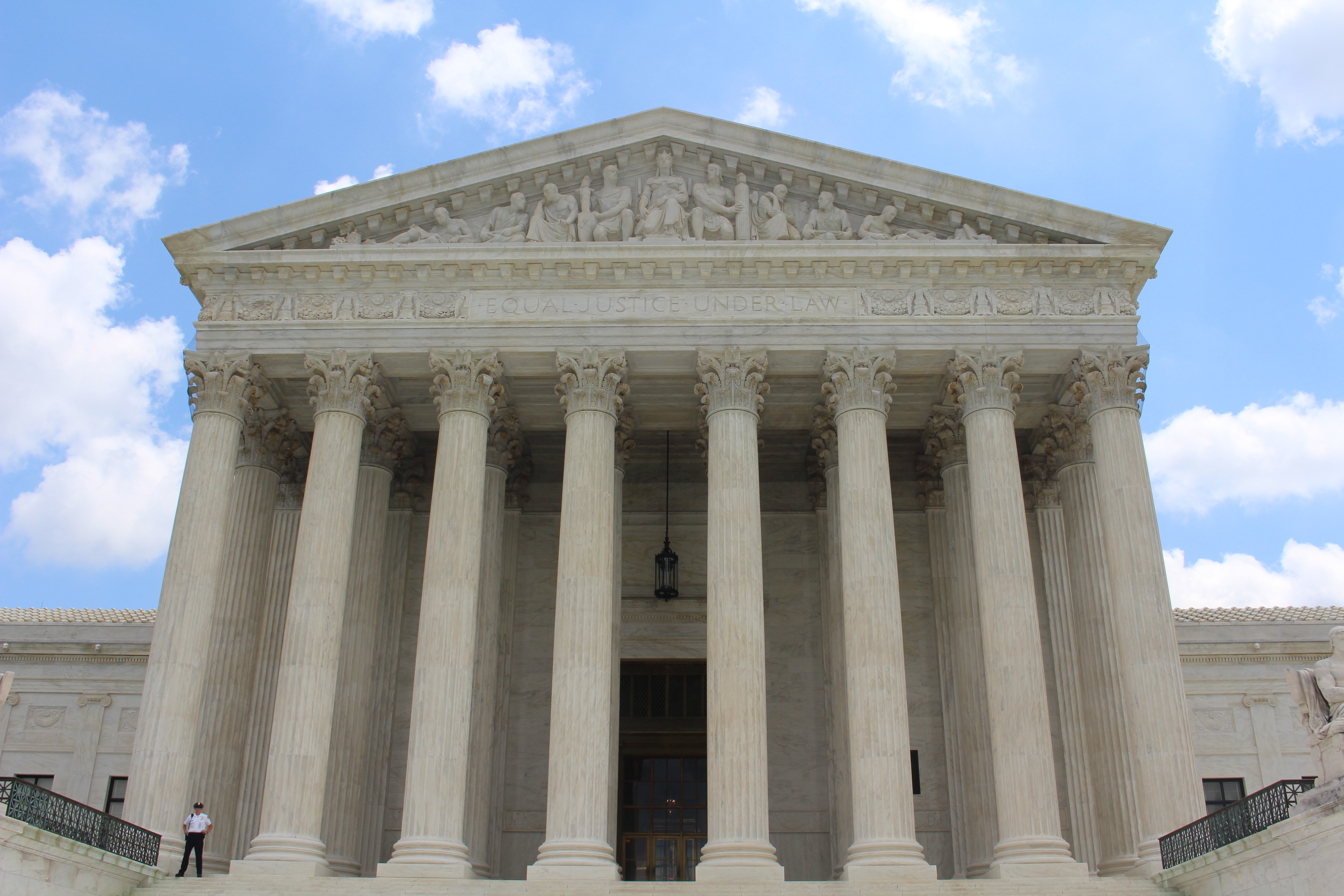
The U.S. Supreme Court struck down an executive order by President Donald Trump that sought to limit birthright citizenship on June 30, 2026 [1].
The decision preserves a fundamental pillar of U.S. immigration and civil law by reaffirming that the executive branch cannot override constitutional guarantees regarding citizenship. This ruling prevents the administration from denying citizenship to children born in the U.S., regardless of their parents' legal status.
In a six-three decision, the justices blocked the Trump administration's attempt to end birthright citizenship [2]. The Court found the executive order unconstitutional because it conflicted with the Citizenship Clause of the 14th Amendment [3].
"The Constitution's Citizenship Clause guarantees citizenship to anyone born on U.S. soil," Justice Elena Kagan said in the majority opinion [4].
The ruling reaffirms a long-standing interpretation of the 14th Amendment [5]. By striking down the order, the Court maintained the legal precedent that birth on U.S. territory automatically confers citizenship. This interpretation has historically served as a safeguard against the creation of a permanent stateless class within the country.
Legal experts said that changing such a fundamental right would require a formal constitutional amendment. Such a process requires the approval of two-thirds of both houses of Congress and three-quarters of the states [6].
The decision comes after a period of intense legal debate over the scope of presidential power regarding immigration. The majority opinion emphasized that the text of the 14th Amendment is explicit and does not grant the president the authority to redefine who is considered a citizen based on the status of the parents.
“"The Constitution's Citizenship Clause guarantees citizenship to anyone born on U.S. soil,"”
This ruling reinforces the principle of jus soli, or right of the soil, ensuring that the 14th Amendment remains the primary authority on citizenship. By blocking the executive order, the Supreme Court has limited the ability of the presidency to unilaterally alter constitutional rights via executive action, signaling that systemic changes to citizenship requirements would necessitate a legislative or constitutional process rather than a presidential decree.