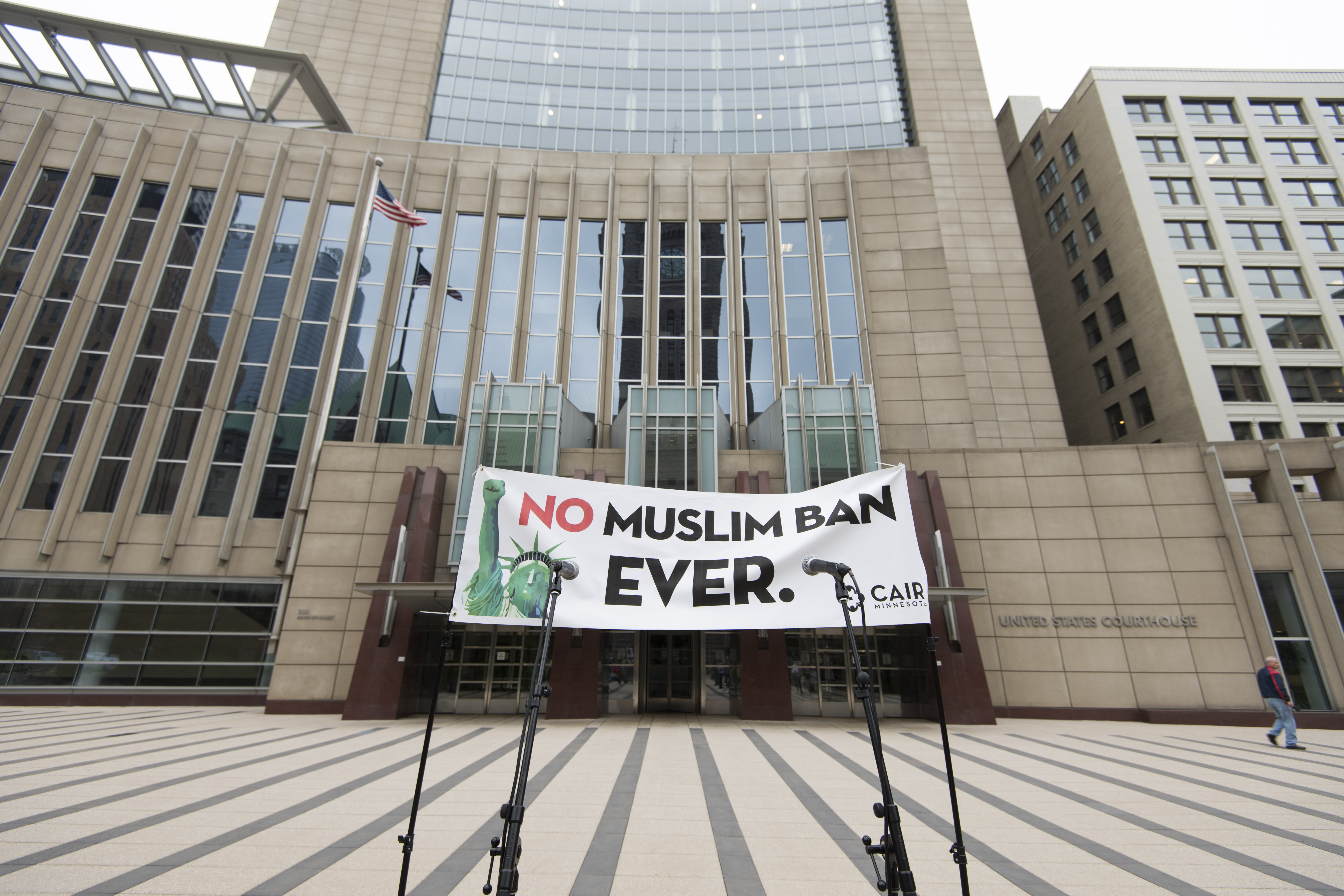
The U.S. Supreme Court issued a six-three ruling [1] upholding the law that protects birthright citizenship in the United States.
The decision represents a significant legal defeat for the Trump administration's efforts to restrict citizenship eligibility. By affirming that the Fourteenth Amendment continues to protect those born on U.S. soil, the court has blocked an executive attempt to redefine national identity and legal status.
The case began after an immigrant from New Hampshire challenged an executive order issued by President Donald Trump. The order sought to exempt birthright citizenship from the protections of the Fourteenth Amendment, which has historically guaranteed citizenship to nearly all persons born in the U.S.
Vice President JD Vance (R-OH) criticized the ruling and the vote cast by Justice Ketanji Brown Jackson. Vance said the justice's position was a mistake in the context of the broader immigration policy debate.
Stephen Miller, House Deputy Chief of Staff, also condemned the court's decision. Miller said the ruling was "a deep knife wound in the heart of the American r…" [2]
The six-three majority [1] reinforces the long-standing interpretation of the Constitution over executive directives. While the administration argued for a more restrictive approach to citizenship, the court's ruling ensures that birthright citizenship remains a legal certainty for children born in the U.S., regardless of the parents' legal status.
“The U.S. Supreme Court issued a six-three ruling upholding the law that protects birthright citizenship.”
This ruling preserves a cornerstone of U.S. nationality law by preventing the executive branch from unilaterally altering the Fourteenth Amendment's application. By rejecting the Trump executive order, the Supreme Court has reaffirmed that constitutional protections for birthright citizenship cannot be overridden by presidential decree, maintaining the legal status quo for millions of immigrants and their children.


'%2F%3E%0A%20%20%20%20%3Crect%20width%3D'1600'%20height%3D'900'%20fill%3D'url(%23v)'%2F%3E%0A%20%20%20%20%3Cg%20opacity%3D'0.08'%20fill%3D'%23ffffff'%3E%0A%20%20%20%20%20%20%3Ccircle%20cx%3D'1420'%20cy%3D'180'%20r%3D'220'%2F%3E%0A%20%20%20%20%20%20%3Ccircle%20cx%3D'1500'%20cy%3D'760'%20r%3D'120'%2F%3E%0A%20%20%20%20%3C%2Fg%3E%0A%20%20%20%20%3Cline%20x1%3D'80'%20y1%3D'172'%20x2%3D'220'%20y2%3D'172'%20stroke%3D'%23ffffff'%20stroke-width%3D'3'%20stroke-opacity%3D'0.6'%2F%3E%0A%20%20%20%20%3Ctext%20x%3D'80'%20y%3D'140'%20font-family%3D'Inter%2C%20-apple-system%2C%20Helvetica%2C%20sans-serif'%20font-weight%3D'700'%20font-size%3D'28'%20fill%3D'%23ffffff'%20letter-spacing%3D'6'%3EHANNA%20%C2%B7%20NEWS%3C%2Ftext%3E%0A%20%20%20%20%3Ctext%20x%3D'80'%20y%3D'230'%20font-family%3D'Inter%2C%20-apple-system%2C%20Helvetica%2C%20sans-serif'%20font-weight%3D'600'%20font-size%3D'40'%20fill%3D'%23ffffffb3'%20letter-spacing%3D'4'%3EWORLD%3C%2Ftext%3E%0A%20%20%20%20%3Ctext%20x%3D'80'%20y%3D'622'%20font-family%3D'Playfair%20Display%2C%20Georgia%2C%20serif'%20font-weight%3D'800'%20font-size%3D'86'%20fill%3D'%23ffffff'%20letter-spacing%3D'-1'%3EAustralia%20Mandates%20Seafood%3C%2Ftext%3E%3Ctext%20x%3D'80'%20y%3D'721'%20font-family%3D'Playfair%20Display%2C%20Georgia%2C%20serif'%20font-weight%3D'800'%20font-size%3D'86'%20fill%3D'%23ffffff'%20letter-spacing%3D'-1'%3EOrigin%20Labeling%20for%3C%2Ftext%3E%3Ctext%20x%3D'80'%20y%3D'820'%20font-family%3D'Playfair%20Display%2C%20Georgia%2C%20serif'%20font-weight%3D'800'%20font-size%3D'86'%20fill%3D'%23ffffff'%20letter-spacing%3D'-1'%3EHospitality%20Venues%3C%2Ftext%3E%0A%20%20%20%20%3Ctext%20x%3D'80'%20y%3D'870'%20font-family%3D'Inter%2C%20-apple-system%2C%20Helvetica%2C%20sans-serif'%20font-weight%3D'500'%20font-size%3D'22'%20fill%3D'%23ffffff66'%20letter-spacing%3D'2'%3Enews.hanna-ai.com%3C%2Ftext%3E%0A%20%20%3C%2Fsvg%3E)