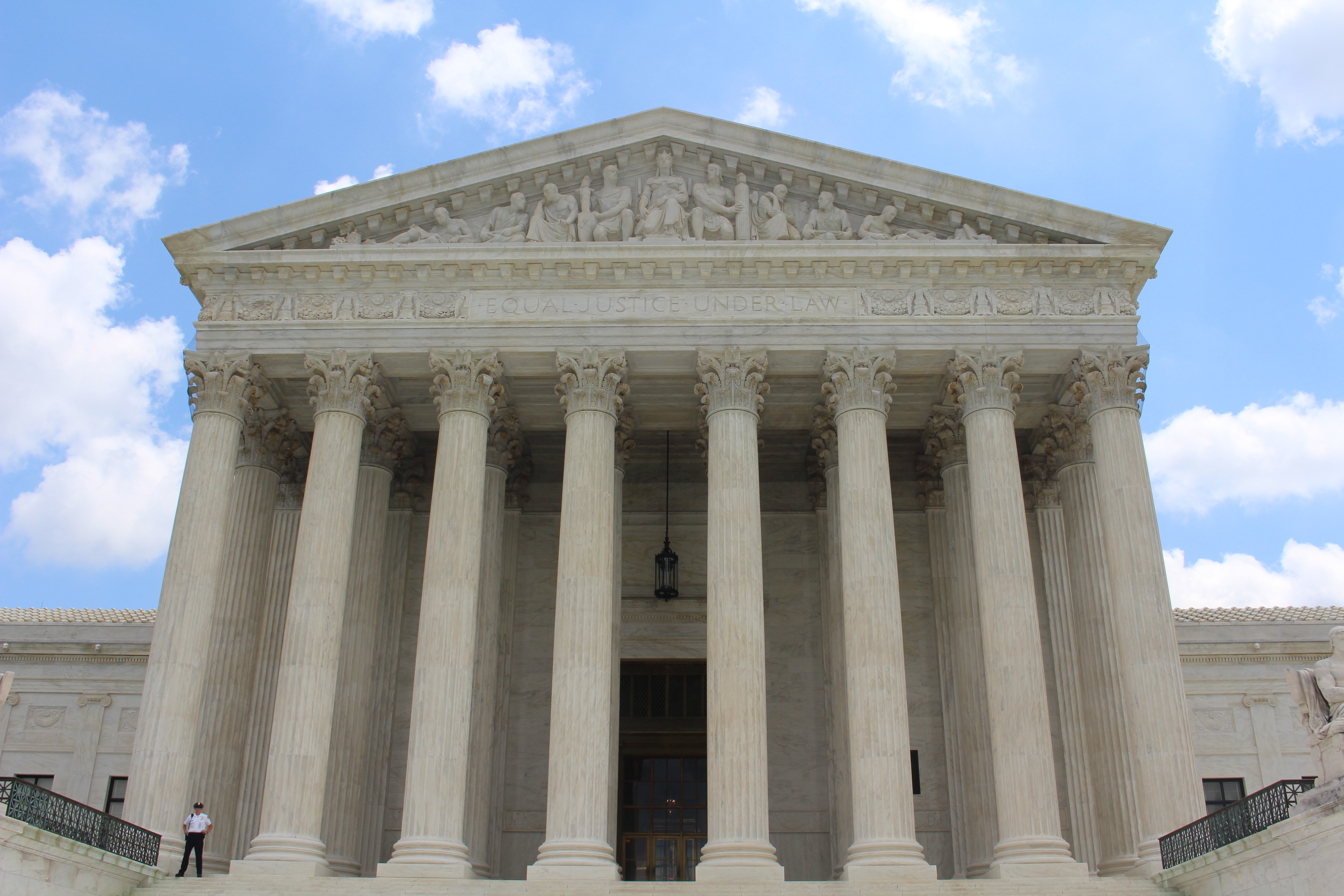
The U.S. Supreme Court ruled Tuesday that all children born in the United States are citizens and permitted states to ban transgender athletes from school sports [1].
These rulings resolve high-stakes legal challenges brought by the administration of President Donald Trump (R-FL), impacting both the definition of American citizenship and the scope of federal education law.
In the decision regarding birthright citizenship, the Court found that the 14th Amendment guarantees citizenship to anyone born on U.S. soil [1]. This ruling rejects the attempt by the Trump administration to limit the application of this constitutional guarantee [2]. The decision ensures that the legal status of children born in the U.S. remains unchanged, regardless of the immigration status of their parents [1].
Separately, the Court addressed the legality of state-level restrictions on transgender athletes in school sports. The justices concluded that Title IX does not prohibit states from establishing gender-based eligibility rules for athletic teams [1]. This ruling allows states to continue enforcing bans that prevent transgender students from competing on teams that align with their gender identity [2].
These decisions were part of three major rulings issued on June 30, 2026 [3], marking the final day of the Court's term [1]. The rulings highlight a divergent approach by the Court, upholding a long-standing constitutional interpretation of citizenship while granting states broader authority to regulate gender in education [2].
The Court's decision on citizenship maintains the status quo of the 14th Amendment, a cornerstone of U.S. law since the 19th century [1]. Meanwhile, the ruling on athletics shifts the balance of power toward state legislatures to define fairness and inclusion in school sports [2].
“The Court found that the 14th Amendment guarantees citizenship to anyone born on U.S. soil”
The Court's dual rulings reflect a tension between federal constitutional mandates and state autonomy. By upholding birthright citizenship, the Court blocked a significant pillar of the Trump administration's immigration strategy. However, by permitting transgender sports bans, the Court signaled that state-level policy preferences can override broader interpretations of gender equity under Title IX, potentially leading to a patchwork of athletic regulations across the U.S.


