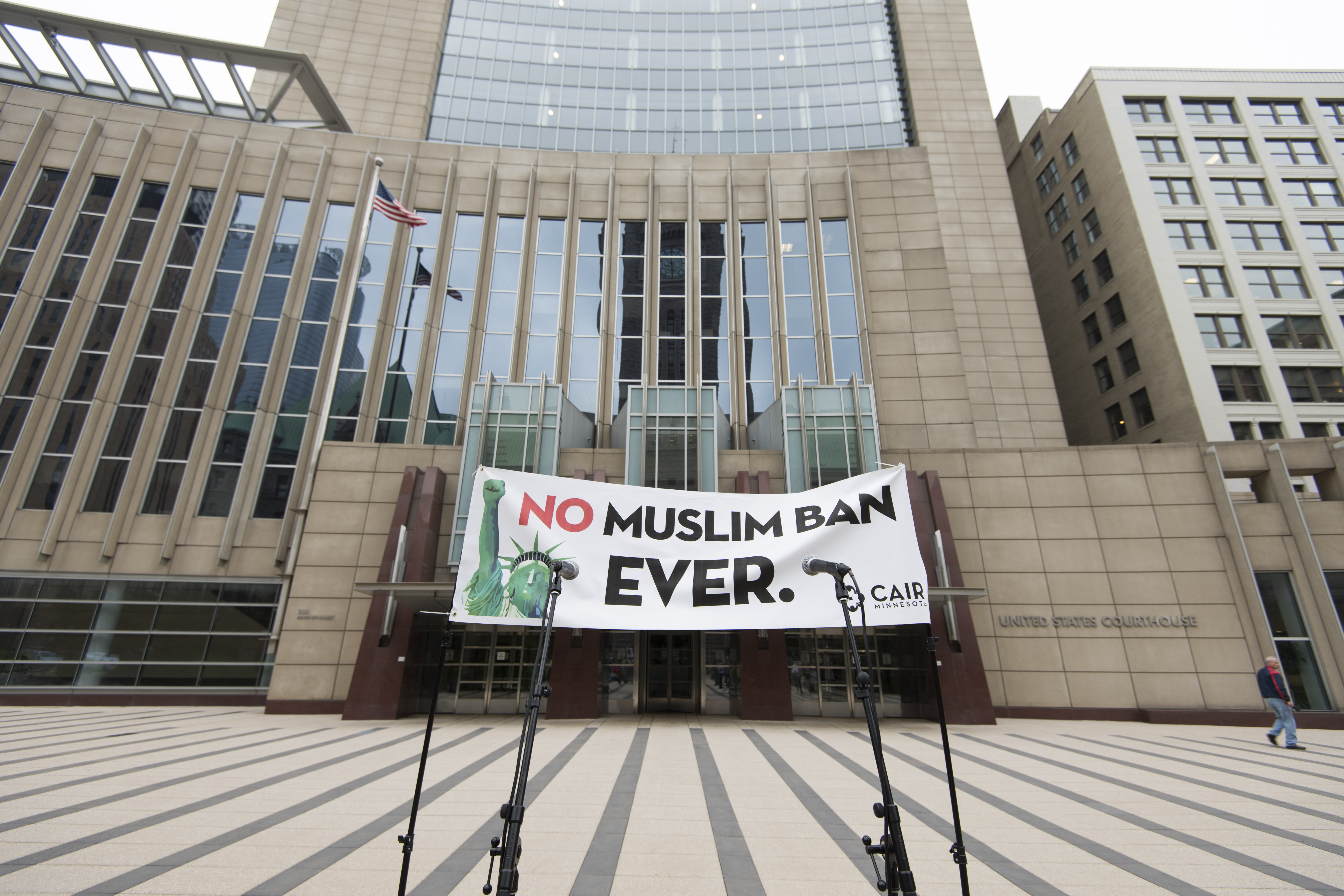
The U.S. Supreme Court rejected an executive order from President Donald Trump that sought to limit birthright citizenship on June 30, 2026 [1].
The ruling preserves a long-standing interpretation of the 14th Amendment, preventing the executive branch from unilaterally altering who qualifies for citizenship by birth. This decision blocks a key pillar of the president's immigration strategy and reinforces the judicial check on presidential power.
The Court found that the president lacks the authority to reinterpret the Constitution’s 14th Amendment to restrict citizenship for individuals born on U.S. soil [2, 3]. The decision effectively nullifies the executive order that attempted to narrow the scope of birthright citizenship [1, 4].
David Blevins of Sky News said, "This is a big defeat for Donald Trump" [1].
Following the ruling, President Trump shifted his focus toward the legislative branch to achieve his goals. He said, "We need Congress to end birthright citizenship" [5].
The legal battle centered on whether an executive order could supersede established constitutional interpretations regarding citizenship. By ruling against the administration, the Court affirmed that such a fundamental change to citizenship status would require a constitutional amendment, or specific legislative action, rather than a presidential decree [2, 3].
This loss comes as part of a series of high-stakes legal challenges facing the administration in Washington, D.C. [1, 4].
“"This is a big defeat for Donald Trump."”
The ruling clarifies that birthright citizenship is a constitutional guarantee that cannot be dismantled by executive action. By directing the issue to Congress, the president now faces a much higher legal and political hurdle, as changing the 14th Amendment would require a supermajority in Congress and ratification by three-fourths of the states, making a near-term change to birthright citizenship unlikely.


