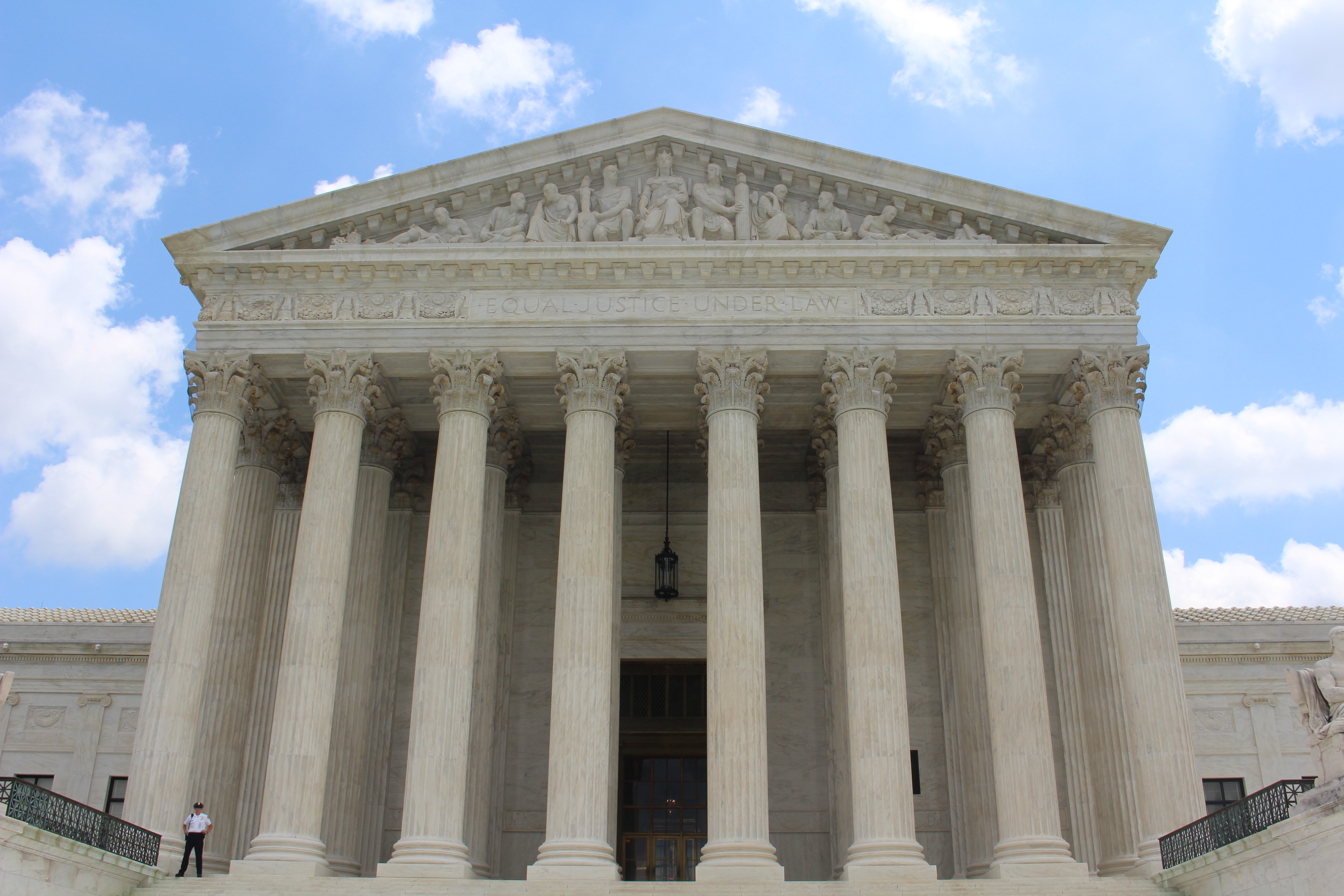
The U.S. Supreme Court rejected an executive order from President Donald Trump (R-FL) and upheld birthright citizenship on June 30, 2026 [1].
The ruling preserves a long-standing interpretation of the 14th Amendment, ensuring that children born on U.S. soil automatically acquire citizenship regardless of their parents' legal status.
In its decision, the Court stated that the executive order exceeded presidential authority and conflicted with the citizenship clause of the Constitution [1]. A Supreme Court spokesperson said the Court rejected the order because it overstepped the powers of the presidency [2].
Reports on the final vote tally varied between sources. One report indicated a six-three decision in favor of upholding birthright citizenship [3], while another stated the vote was five-four [4].
President Trump responded to the ruling by criticizing the outcome. "The Supreme Court upheld birthright citizenship, which is too bad for our country," Trump said [5].
The legal challenge centered on whether a president can unilaterally alter the criteria for citizenship via executive action. By siding against the administration, the Court reaffirmed that such fundamental changes to citizenship status likely require legislative action, or a constitutional amendment, rather than a presidential decree.
“The Court rejected the executive order, stating it exceeded presidential authority.”
This decision reinforces the legal boundary between executive power and constitutional mandates. By ruling that the president cannot unilaterally end birthright citizenship, the Court has signaled that the 14th Amendment remains a rigid barrier against administrative attempts to redefine national membership without congressional approval.


