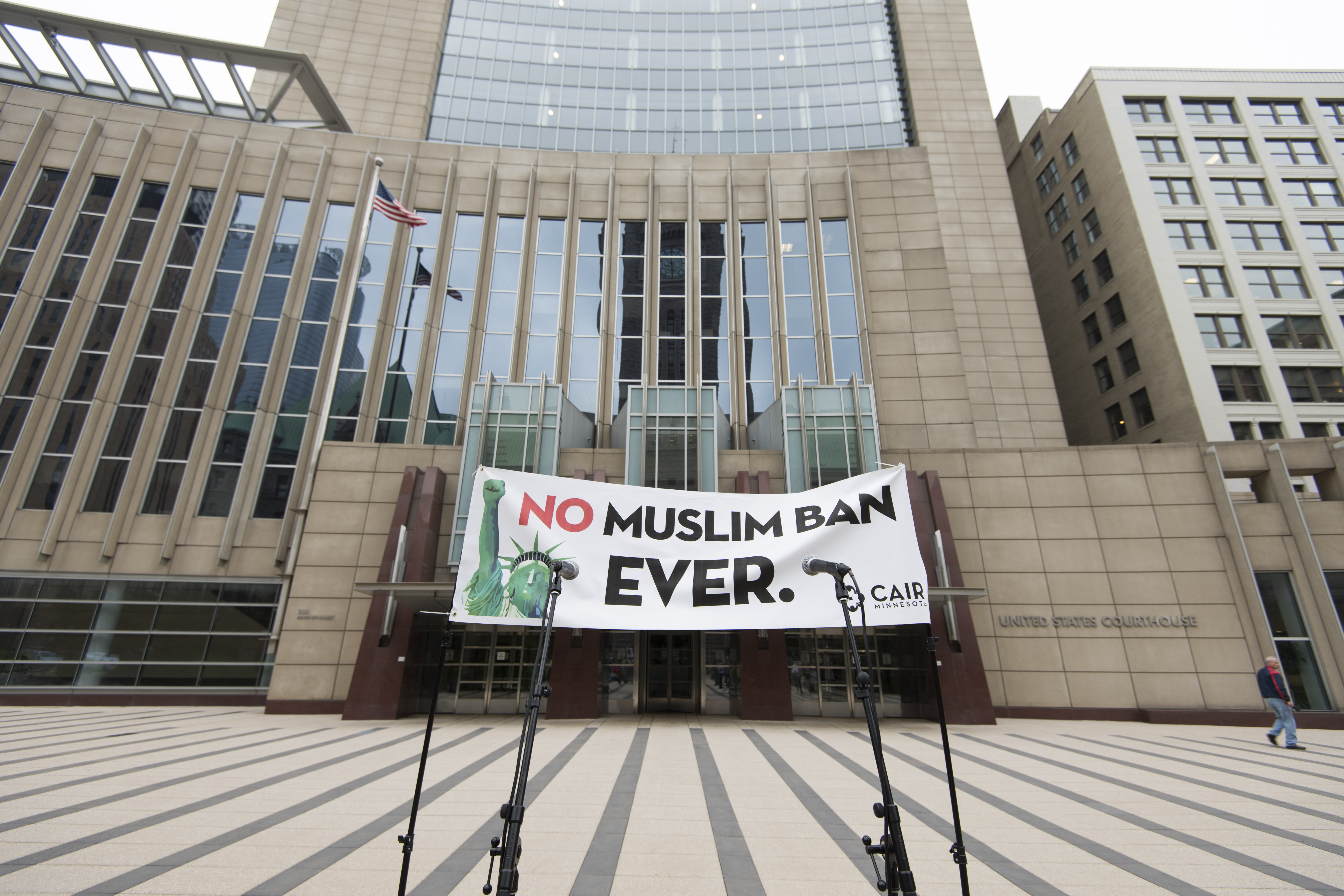
The U.S. Supreme Court struck down an executive order from President Donald Trump that sought to restrict birthright citizenship on June 30, 2026 [1].
The ruling prevents the administration from unilaterally altering the legal status of children born in the U.S. to non-citizen parents. It preserves a foundational pillar of American immigration law and the interpretation of the 14th Amendment.
The Court found the executive order unconstitutional, upholding the guarantee that citizenship is granted to almost anyone born on U.S. soil [3]. The decision clarifies that the president lacks the authority to override constitutional mandates via executive action, a move that had sparked intense legal battles since the order's inception.
Legal analysts noted the result was expected given the explicit language of the Constitution. Len Saunders of CBC News said the outcome was "not surprising" [1].
The ruling removes a central component of the administration's approach to border control and residency. The New York Times said the decision ends one of the most aggressive parts of Trump's immigration agenda [2]. By reaffirming the 14th Amendment, the Court ensures that the birthright citizenship process remains unchanged for millions of families.
According to The Washington Post, the Supreme Court upheld the principle that almost all born on U.S. soil are American [3]. This decision effectively nullifies the administration's attempt to create new criteria for citizenship eligibility based on the parental status of the newborn.
“The decision ends one of the most aggressive parts of Trump's immigration agenda.”
This ruling reinforces the judicial branch's role in limiting executive power regarding constitutional interpretations. By upholding the 14th Amendment, the Court prevents a shift toward a 'jus sanguinis' (right of blood) system, maintaining the 'jus soli' (right of soil) standard that has defined U.S. citizenship for generations.


