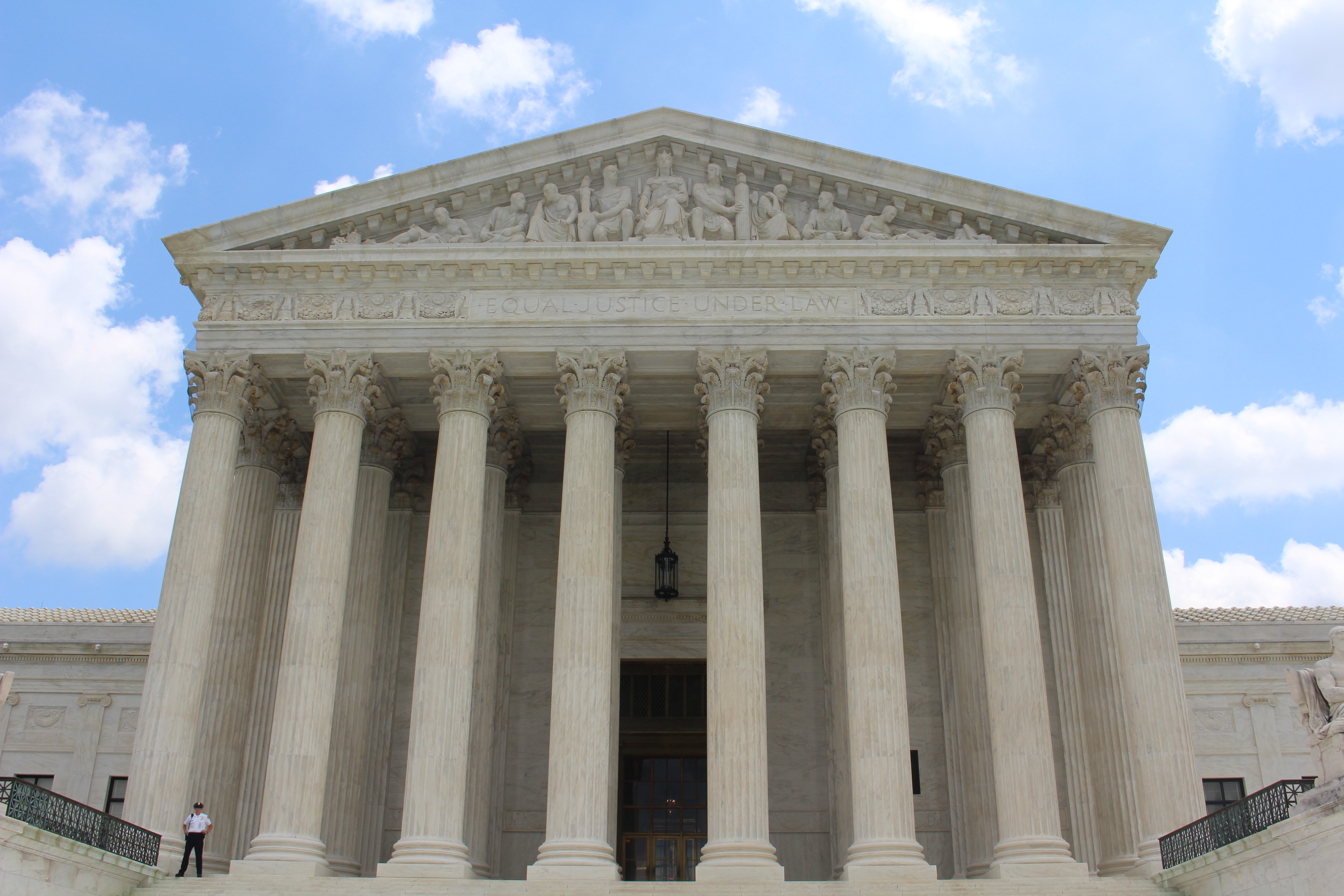
The U.S. Supreme Court rejected a bid by the Trump administration to restrict birthright citizenship on June 25, 2024 [1].
This decision represents a significant legal obstacle for the administration's immigration agenda. By upholding the current interpretation of the 14th Amendment, the court maintains the status quo for children born on U.S. soil, regardless of their parents' legal status.
The court denied the administration's request for an emergency stay [2]. A spokesperson for the U.S. Supreme Court said, "The Supreme Court has denied the administration's request for an emergency stay" [2].
The administration had sought to curb the automatic granting of citizenship to children born in the United States. However, the court determined that the administration failed to demonstrate a likelihood of success on the merits of its emergency request [1]. Because the legal threshold for such a stay was not met, the court denied the application [1].
Legal analysts viewed the ruling as a major blow to the president's policy goals. Angela Diffley of France 24 English said the ruling was "a big setback for Trump" [3].
The 14th Amendment to the U.S. Constitution establishes that all persons born or naturalized in the United States are citizens of the United States, and of the state wherein they reside. The administration's attempt to challenge this long-standing legal precedent sought to change how the amendment is applied to the children of non-citizens.
With the emergency stay denied, the existing laws regarding birthright citizenship remain in effect. The court's refusal to intervene at this stage means the administration cannot immediately implement restrictions while the broader legal challenges continue.
“"The Supreme Court has denied the administration's request for an emergency stay"”
This ruling reinforces the judicial interpretation of the 14th Amendment, signaling that the Supreme Court is unwilling to grant emergency relief to overturn established birthright citizenship norms. While the administration may continue to pursue legislative or alternative legal avenues, the denial of the stay prevents an immediate executive shift in citizenship eligibility, preserving a cornerstone of U.S. immigration law.


