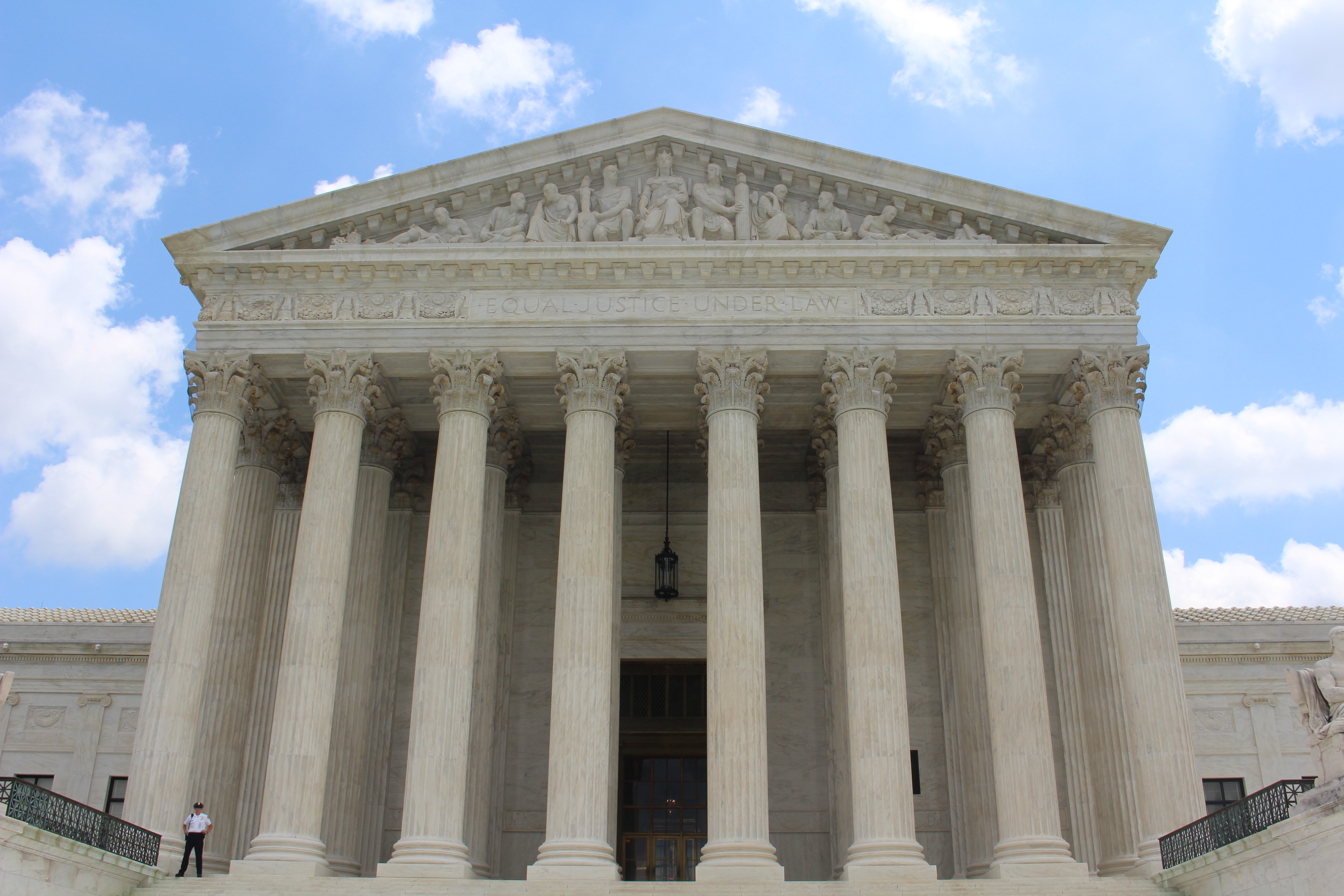
The U.S. Supreme Court upheld birthright citizenship on June 30, 2026, rejecting an effort by President Donald Trump to end the practice.
This ruling preserves a long-standing pillar of American immigration and identity, ensuring that children born on U.S. soil automatically acquire citizenship regardless of their parents' legal status.
The court ruled six-three [1] against the administration's position. The justices said that the executive order attempting to end birthright citizenship was unconstitutional and contrary to the 14th Amendment [2, 3].
President Trump had sought to curb the granting of citizenship to children born in the U.S. to non-citizens. The administration said that the executive branch possessed the authority to limit this right to prevent what it described as an incentive for illegal immigration.
However, the majority of the court determined that the 14th Amendment provides a clear mandate for birthright citizenship. The ruling effectively blocks the administration from using executive orders to override the constitutional guarantee that all persons born in the U.S. are citizens.
The decision comes after a period of intense legal debate over the interpretation of the Constitution's citizenship clause. By upholding the status quo, the court prevents a massive shift in the legal status of thousands of children born in the U.S. annually.
“The Supreme Court upheld birthright citizenship, rejecting President Trump's effort to end it”
This ruling reaffirms the legal primacy of the 14th Amendment over executive action regarding citizenship. By blocking the administration's attempt to end birthright citizenship, the court has prevented a fundamental change in U.S. nationality law that would have created a permanent class of stateless or non-citizen residents born within the country.


