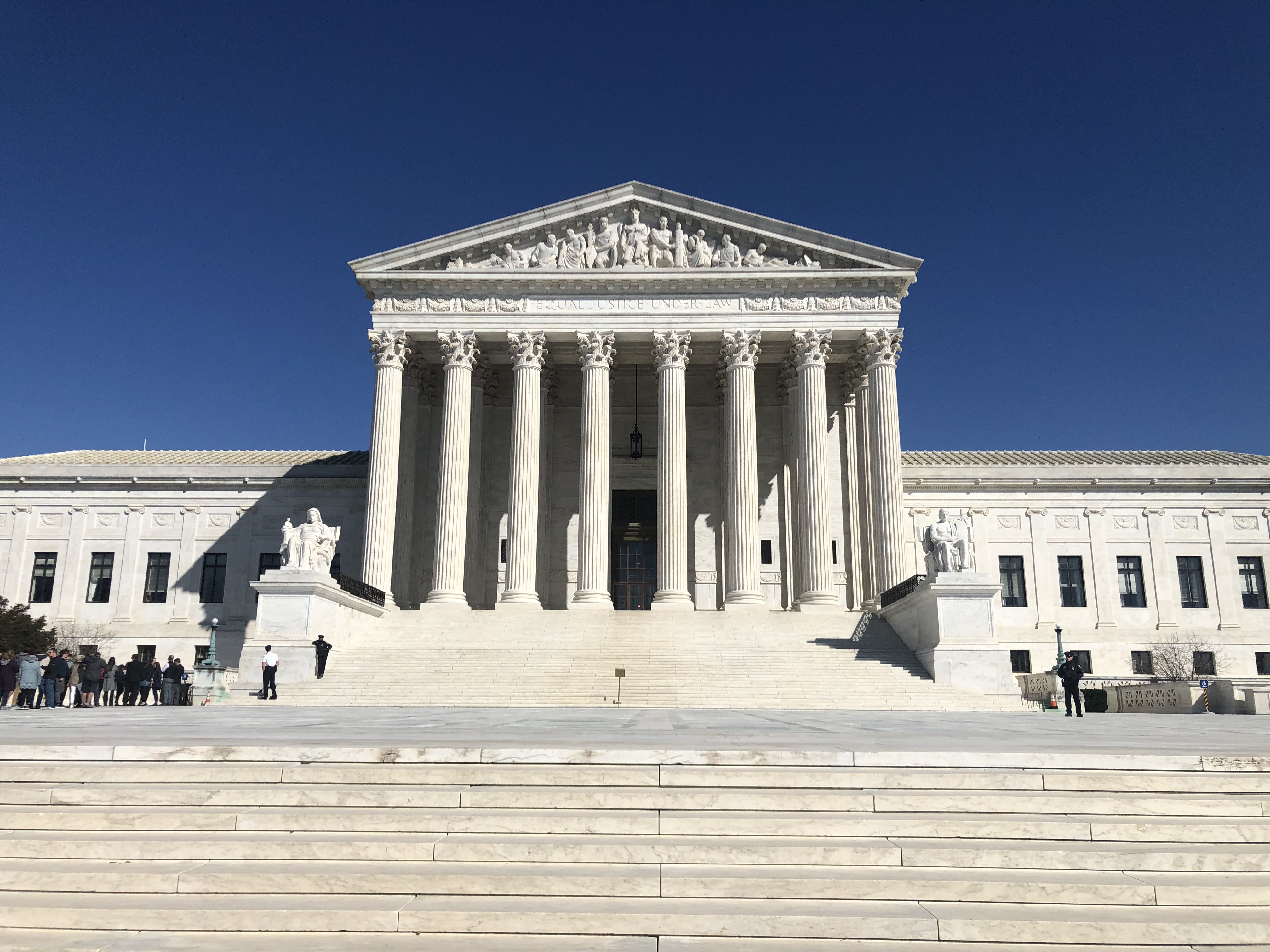
The U.S. Supreme Court issued an 8‑0[1] procedural ruling on April 17, 2026[1], sending a $740 million[1] Louisiana coastal‑damage verdict against Chevron back to federal court.
The decision matters because it pauses the payment of a massive settlement intended to restore eroded wetlands and protects a major oil producer from immediate liability. By moving the case to federal court, the justices opened a new procedural window that could delay compensation for communities still grappling with shoreline loss[1].
The state jury had found Chevron responsible for extensive damage along the Gulf Coast, ordering the company to pay upward of $740 million[1]. Some coverage also named Exxon as a defendant, though the Supreme Court opinion focused on Chevron’s liability[5]. The lawsuit stems from a series of spills and alleged mismanagement that accelerated coastal erosion, a problem that state officials say threatens billions of dollars in tourism and fisheries revenue[4].
The Court ruled that the case should be heard in federal court rather than state court, citing procedural grounds that the federal courts have jurisdiction over suits involving interstate commerce and federal environmental statutes[1][2]. All eight justices agreed that the lower court’s handling raised jurisdictional questions, and the unanimous vote underscores the judiciary’s willingness to scrutinize venue choices in large‑scale environmental actions[1].
With the case remanded, Chevron now has a new day to challenge the verdict on the basis of federal law. Legal analysts note that the company could argue that the original jury findings conflict with federal standards for causation and damages, potentially narrowing the award or securing a new trial[3]. The outcome will likely influence how other oil and gas firms defend against state‑level environmental judgments, especially in states with vulnerable coastlines.
**What this means** The ruling does not erase the underlying liability; it merely redirects the legal battle to a different courtroom. If the federal appeal reduces or overturns the $740 million judgment, Louisiana’s restoration projects could face funding shortfalls, while the oil industry may see a precedent for shifting large environmental cases to federal venues where procedural defenses are stronger.
“The 8‑0 decision sends the $740 million verdict back to federal court.”
The Supreme Court’s procedural move postpones payment of a massive settlement and gives Chevron another legal avenue to contest the award, a development that could delay restoration funding for Louisiana’s coastline and set a precedent for shifting large environmental cases to federal courts.


