The U.S. Supreme Court ruled that President Donald Trump cannot remove Federal Reserve Governor Lisa Cook from her position [1, 2, 5].
The decision reinforces the legal firewall between the White House and the central bank. By preventing the president from firing a governor, the court ensures that monetary policy remains insulated from direct political pressure and electoral cycles [1, 4].
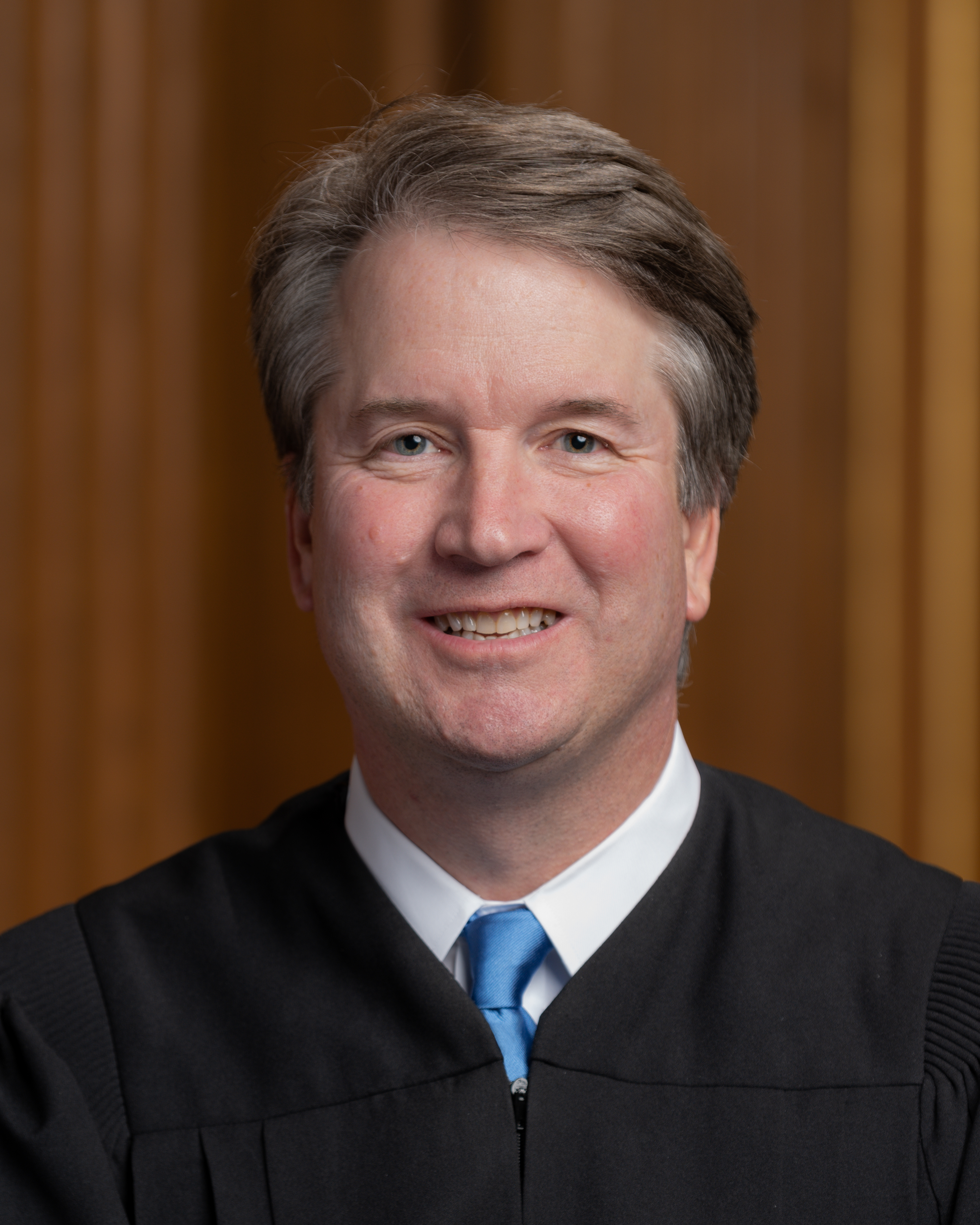
Justice Brett Kavanaugh, who was appointed by Trump, provided a critical vote against the administration's position [1, 2]. Kavanaugh joined the liberal wing of the court to block the removal of Cook [4]. The ruling follows a legal challenge regarding the extent of executive authority over the Federal Reserve's leadership [3, 5].
In his reasoning, Kavanaugh said the president’s position would “weaken if not shatter the independence of the Federal Reserve” [1, 3]. The court agreed that safeguarding this independence is paramount to the stability of the U.S. financial system [1, 3].
This legal battle centered on whether the president possesses the authority to dismiss a Federal Reserve governor without specific cause. The court's decision in January 2026 clarifies that such removals are not permitted under current interpretations of the law [3].
Governor Lisa Cook remains in her role, effectively ending the administration's attempt to replace her. The ruling serves as a significant check on executive power regarding independent regulatory agencies [4, 5].
“The president’s position would “weaken if not shatter the independence of the Federal Reserve.””
This ruling establishes a strong legal precedent for the autonomy of the Federal Reserve. By limiting the president's ability to fire governors, the Supreme Court has signaled that the central bank's independence is a structural necessity that outweighs the executive's desire for personnel control, thereby protecting the U.S. economy from potential political volatility in interest rate and monetary decisions.


'%2F%3E%0A%20%20%20%20%3Crect%20width%3D'1600'%20height%3D'900'%20fill%3D'url(%23v)'%2F%3E%0A%20%20%20%20%3Cg%20opacity%3D'0.08'%20fill%3D'%23ffffff'%3E%0A%20%20%20%20%20%20%3Ccircle%20cx%3D'1420'%20cy%3D'180'%20r%3D'220'%2F%3E%0A%20%20%20%20%20%20%3Ccircle%20cx%3D'1500'%20cy%3D'760'%20r%3D'120'%2F%3E%0A%20%20%20%20%3C%2Fg%3E%0A%20%20%20%20%3Cline%20x1%3D'80'%20y1%3D'172'%20x2%3D'220'%20y2%3D'172'%20stroke%3D'%23ffffff'%20stroke-width%3D'3'%20stroke-opacity%3D'0.6'%2F%3E%0A%20%20%20%20%3Ctext%20x%3D'80'%20y%3D'140'%20font-family%3D'Inter%2C%20-apple-system%2C%20Helvetica%2C%20sans-serif'%20font-weight%3D'700'%20font-size%3D'28'%20fill%3D'%23ffffff'%20letter-spacing%3D'6'%3EHANNA%20%C2%B7%20NEWS%3C%2Ftext%3E%0A%20%20%20%20%3Ctext%20x%3D'80'%20y%3D'230'%20font-family%3D'Inter%2C%20-apple-system%2C%20Helvetica%2C%20sans-serif'%20font-weight%3D'600'%20font-size%3D'40'%20fill%3D'%23ffffffb3'%20letter-spacing%3D'4'%3EBUSINESS%3C%2Ftext%3E%0A%20%20%20%20%3Ctext%20x%3D'80'%20y%3D'622'%20font-family%3D'Playfair%20Display%2C%20Georgia%2C%20serif'%20font-weight%3D'800'%20font-size%3D'86'%20fill%3D'%23ffffff'%20letter-spacing%3D'-1'%3EHoneywell%20Aerospace%20CEO%3C%2Ftext%3E%3Ctext%20x%3D'80'%20y%3D'721'%20font-family%3D'Playfair%20Display%2C%20Georgia%2C%20serif'%20font-weight%3D'800'%20font-size%3D'86'%20fill%3D'%23ffffff'%20letter-spacing%3D'-1'%3EPrioritizes%20Supply%20Chain%3C%2Ftext%3E%3Ctext%20x%3D'80'%20y%3D'820'%20font-family%3D'Playfair%20Display%2C%20Georgia%2C%20serif'%20font-weight%3D'800'%20font-size%3D'86'%20fill%3D'%23ffffff'%20letter-spacing%3D'-1'%3EInvestment%20After%20US%20Spinoff%3C%2Ftext%3E%0A%20%20%20%20%3Ctext%20x%3D'80'%20y%3D'870'%20font-family%3D'Inter%2C%20-apple-system%2C%20Helvetica%2C%20sans-serif'%20font-weight%3D'500'%20font-size%3D'22'%20fill%3D'%23ffffff66'%20letter-spacing%3D'2'%3Enews.hanna-ai.com%3C%2Ftext%3E%0A%20%20%3C%2Fsvg%3E)