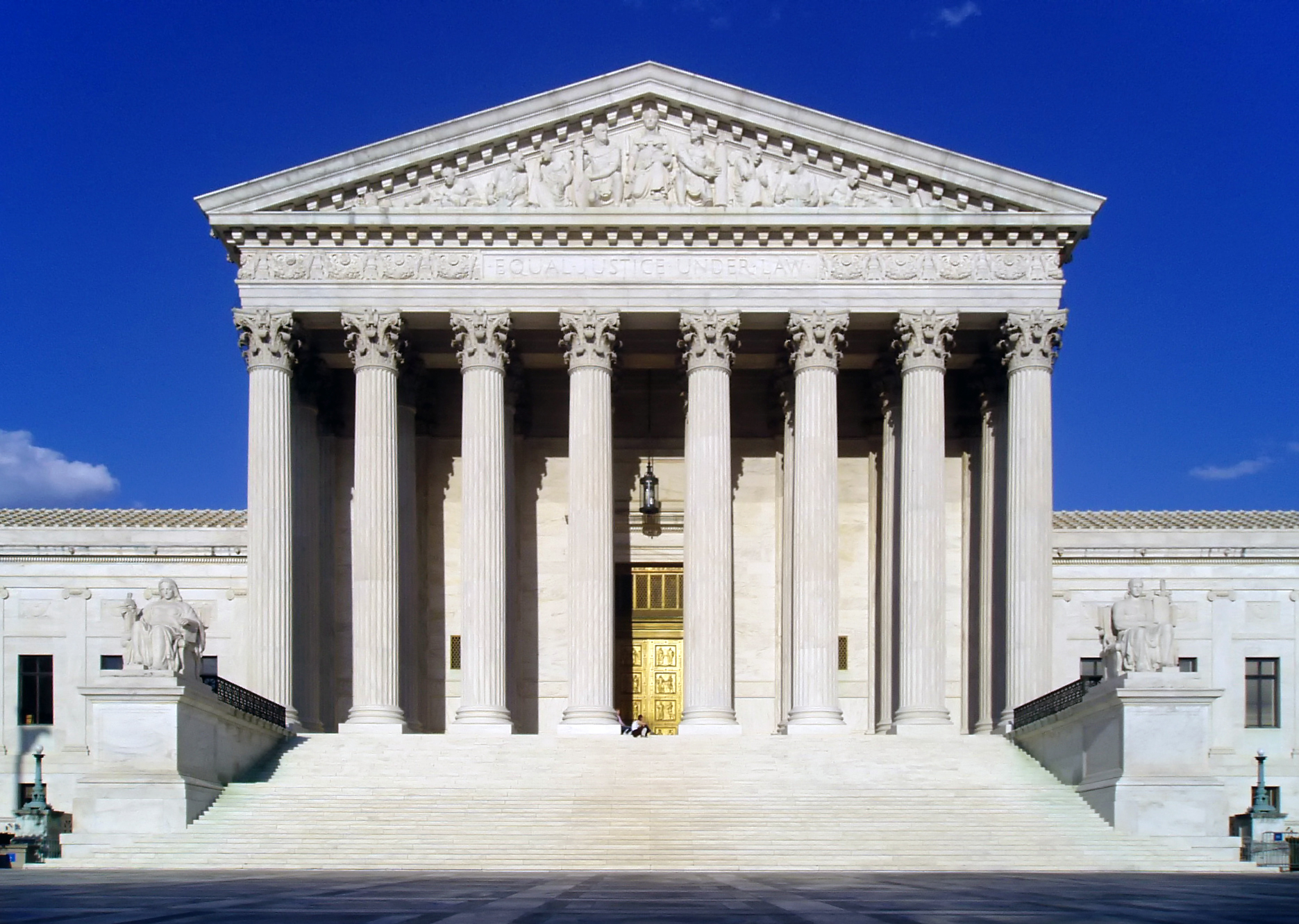
The U.S. Supreme Court issued an emergency order on Monday, July 2, 2026, sending a legal battle over mail-in voting back to a federal court [2].
The decision leaves the legality of President Donald Trump's executive order in limbo as the country prepares for the 2026 midterm elections. Because the high court declined to provide a final resolution, the rules governing how ballots are cast and counted remain uncertain in several jurisdictions [1, 3].
The dispute centers on an executive order from the Trump administration that tightened the rules for mail-in ballots [1]. The administration said the measures were necessary to ensure election integrity, while opponents said the restrictions unfairly limit voter access.
By returning the case to the federal district court, the Supreme Court avoided making a definitive ruling on the constitutionality of the order [3]. This procedural move means that lower courts must now determine how these rules apply to the upcoming elections [4].
Legal analysts and observers remain divided on the implications of the order. Some said the ruling prevents an immediate overhaul of voting systems, while others said the lack of clarity creates a precarious environment for voters [1, 4]. The current state of the litigation means that different states could potentially operate under different standards for mail-in voting during the same election cycle.
The Court's decision on July 2 was part of a series of rulings that also addressed birthright citizenship, and transgender athletes [2]. However, the mail-in voting case is viewed as particularly urgent due to the proximity of the midterms [4].
“The Supreme Court's emergency order sent the legal battle over Trump’s mail‑in voting executive order back to a federal court.”
The Supreme Court's refusal to issue a definitive ruling creates a legal vacuum that shifts the burden of decision-making back to lower federal courts. With the 2026 midterm elections approaching, this lack of a national standard increases the risk of inconsistent voting rules across different states, potentially leading to further litigation and voter confusion on Election Day.


