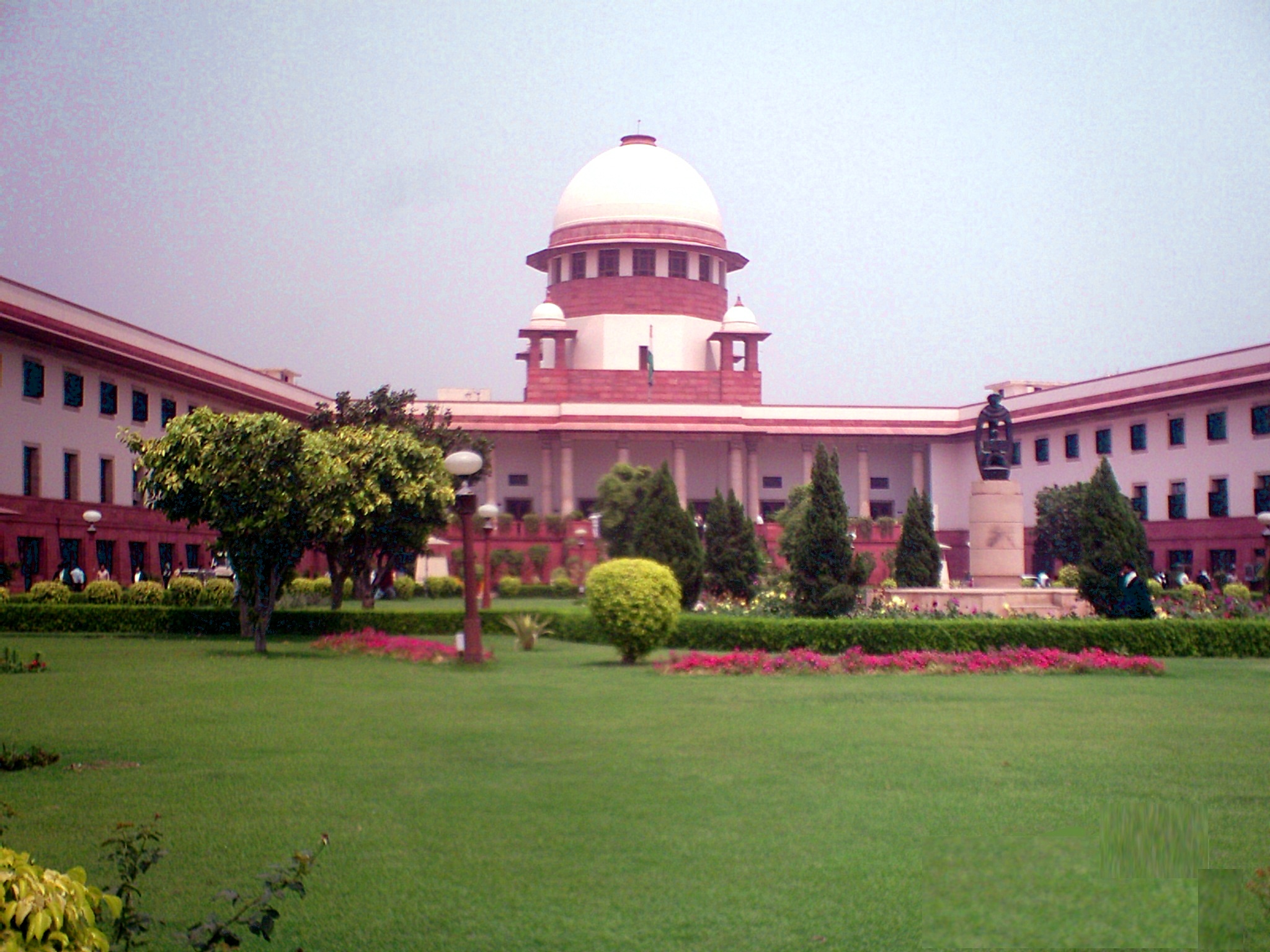
The Supreme Court of India declined to grant an urgent hearing on a petition seeking a CBI probe into alleged donation theft [1].
The decision delays a court-monitored investigation into the Shri Ram Janmabhoomi Teerth Kshetra Trust, which manages the funds for the Ayodhya Ram Mandir. Because the temple is a site of immense religious and political significance, allegations of financial misconduct draw intense public scrutiny.
The petitioner requested an immediate hearing to investigate the alleged embezzlement of 7 crore rupees [3]. The court bench said, "What is the urgency?" [4]
Another query from the bench asked, "Why the haste?" [5] The judges said that the matter would be addressed after the court's vacation, suggesting that the situation did not merit an immediate intervention.
Reports indicate that the trust has already faced internal turmoil regarding these allegations. Approximately 40 staff members have been suspended in connection with the row [3].
The court's refusal to expedite the case means the petition will remain pending until the judicial vacation concludes. This prevents the immediate appointment of a Central Bureau of Investigation (CBI) team to oversee the financial records of the trust [1], [2].
“"What is the urgency?"”
The Supreme Court's refusal to expedite the hearing suggests that the judiciary does not view the alleged financial irregularities as a legal emergency requiring immediate intervention. While the suspension of 40 employees indicates that the trust is taking internal disciplinary action, the lack of a court-monitored CBI probe for now means the investigation remains under the current administrative or state-level purview rather than under the highest level of federal judicial oversight.