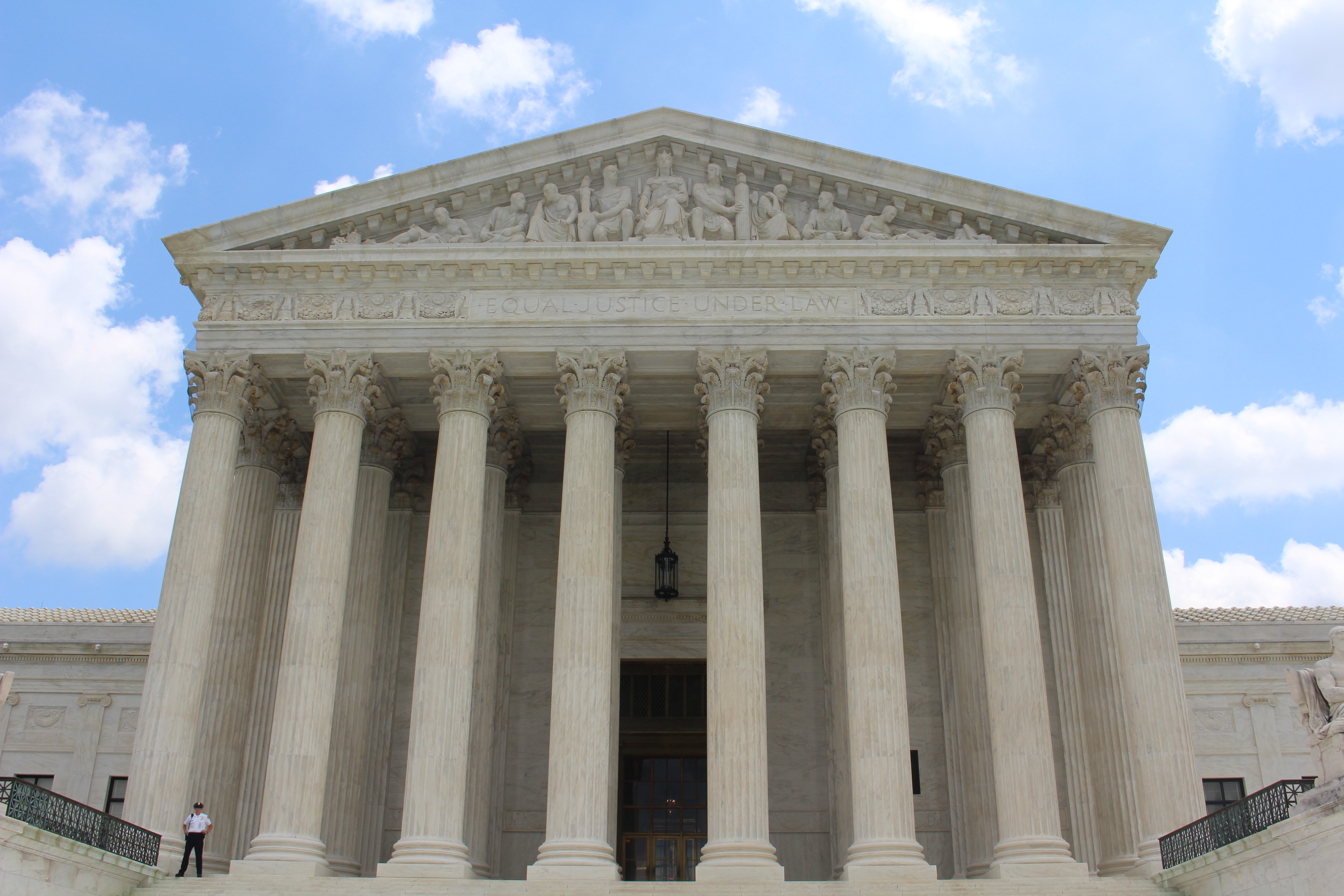
The U.S. Supreme Court has cleared the way for the Trump administration to end Temporary Protected Status (TPS) for Syrian and Haitian nationals.
This decision threatens the stability of the American elder-care system, which relies heavily on migrant labor to fill critical staffing gaps in nursing homes and assisted living facilities.
Industry leaders, including Katie Smith Sloan of LeadingAge, said the removal of these protections will exacerbate existing workforce shortages. Many Syrian and Haitian migrants currently hold essential roles in senior care, providing daily medical and emotional support to elderly patients across the country [1, 2].
Because TPS allows certain foreign nationals to live and work legally in the U.S., its termination could force thousands of healthcare workers to leave their jobs. This shift would create immediate vacancies in facilities already struggling to meet patient needs [1, 2].
Hundreds of thousands of migrants now face uncertainty regarding their legal status and ability to remain in the country [2]. The loss of these workers is expected to place additional pressure on the remaining staff, potentially lowering the quality of care for seniors.
The Trump administration has moved to terminate these protections, citing a change in the conditions that originally justified the TPS designations for Syria and Haiti [1, 2]. However, the timing of these removals coincides with a period of high demand for senior services as the U.S. population ages.
“The U.S. Supreme Court has cleared the way for the Trump administration to end Temporary Protected Status (TPS).”
The intersection of immigration policy and public health reveals a systemic dependency on TPS holders to maintain the U.S. elder-care infrastructure. By removing legal work authorizations for Syrian and Haitian nationals, the government may inadvertently trigger a staffing crisis in a sector that is already underfunded and understaffed, potentially leaving thousands of seniors without necessary care.


