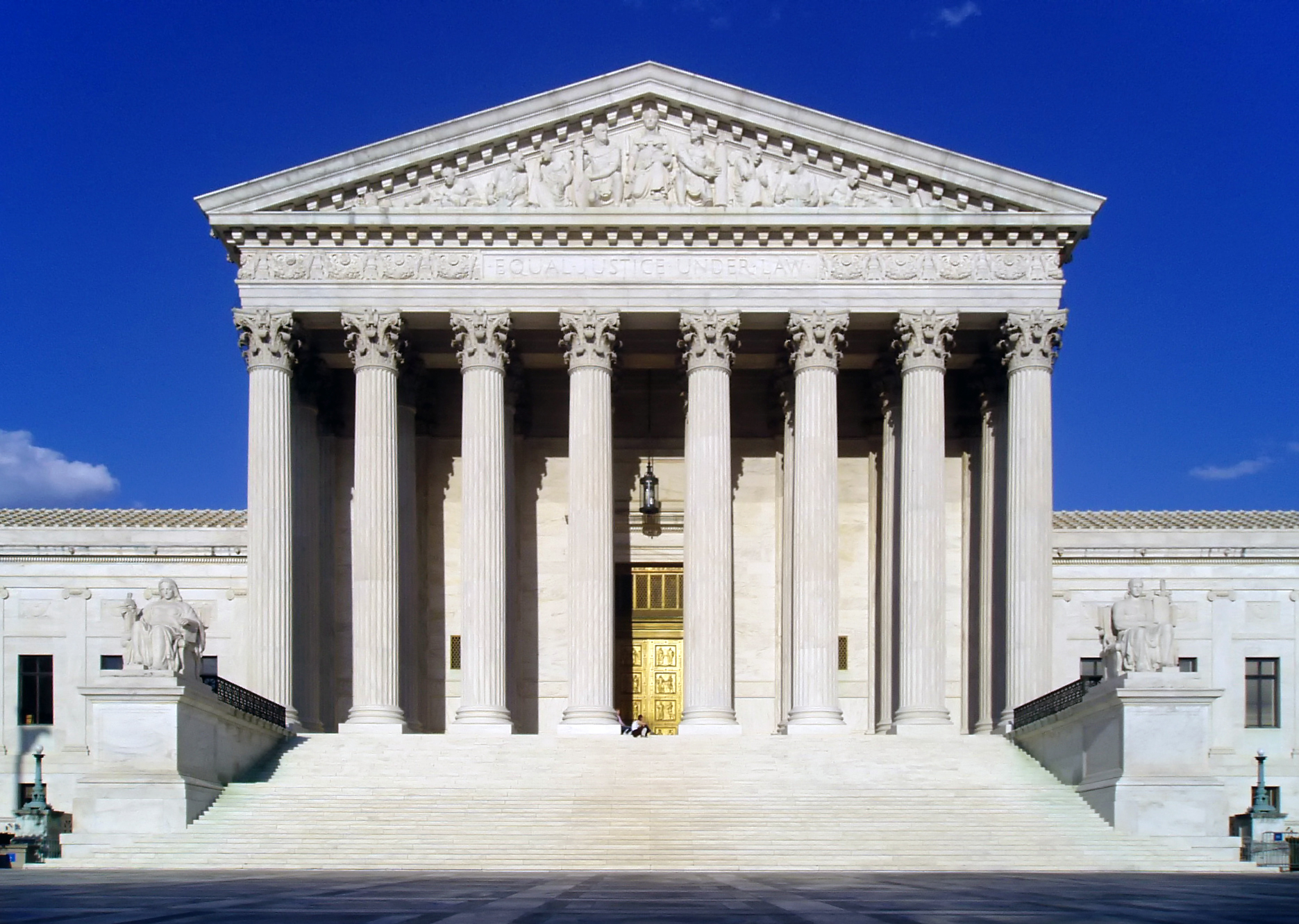
The U.S. Supreme Court removed one procedural obstacle [1] to President Donald Trump's emergency order restricting mail voting on Monday [2].
This decision creates significant uncertainty for election officials and voters as the country approaches the November 2026 midterm elections [3]. While the ruling allows the order to proceed legally, it does not ensure the restrictions will be implemented in time for the upcoming vote.
The Court issued the ruling on Aug. 24, 2026 [2], citing legal arguments that the order could move forward. The decision focused on removing a specific procedural hurdle, a move that allows the administration to push for the restrictions, though practical implementation remains unclear [1].
Legal experts point to the Purcell principle, a 20-year-old Supreme Court doctrine [4], which generally discourages courts from changing election rules too close to an election to avoid voter confusion. Because of this principle, the timing of the ruling may limit its immediate impact.
Confusion persists among state officials regarding whether the order will be in effect for the November 2026 elections [3]. Some reports indicate the ruling has allowed the order to move ahead for now, while other sources note that at least one state has vowed to sue to prevent the limits from taking effect before the midterms [3].
The ruling focuses on the legal path for the order rather than a final mandate for all states. Election officials must now navigate a narrowing window to determine which voting protocols will be used for the November 2026 cycle [3].
“The ruling removes a procedural barrier but does not guarantee restrictions will apply to the November 2026 elections.”
This ruling represents a legal victory for the administration by clearing a path for mail-voting restrictions, but it creates a volatile environment for election administration. The tension between this ruling and the Purcell principle means that the actual rules for the November 2026 midterms may remain in flux until the final weeks of the campaign, potentially leading to further litigation from states resisting the order.


