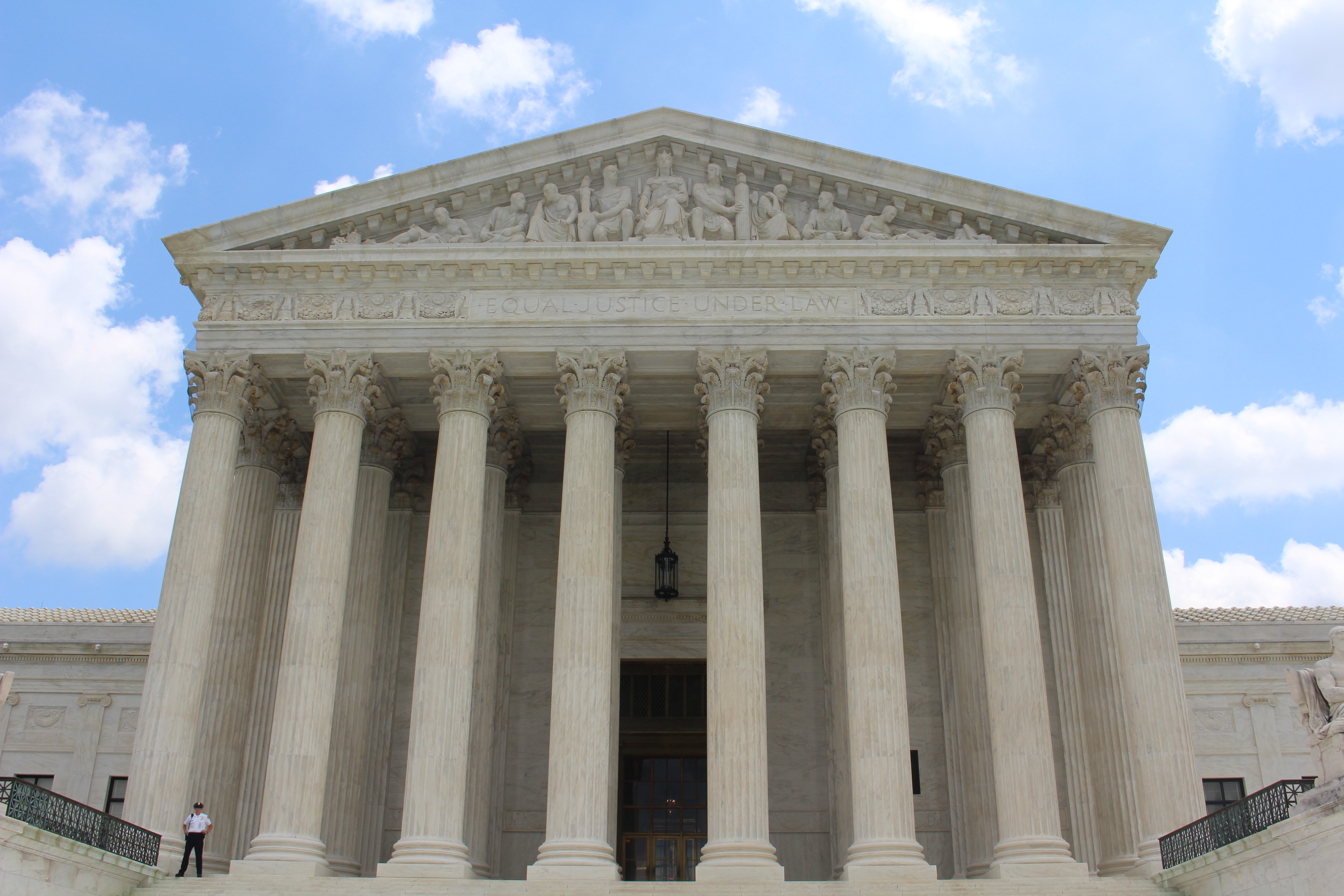
The U.S. Supreme Court ruled Tuesday to uphold birthright citizenship under the 14th Amendment, striking down an executive order from President Donald Trump [1].
The decision removes a primary legal mechanism the administration intended to use to restrict citizenship for children born in the U.S. to non-citizen parents. By affirming the constitutionality of birthright citizenship, the Court prevents the executive branch from unilaterally altering the legal status of millions of residents.
In a five-four decision, the Court found that the president's executive order was unconstitutional [2]. The majority opinion stated that the order conflicted with the 14th Amendment's guarantee of citizenship to all persons born on U.S. soil [3]. This amendment, adopted in the 1860s, has served as the law of the land since the 1800s [4].
The ruling represents a significant legal defeat for the Trump administration's immigration enforcement strategy. The executive order had sought to limit the automatic granting of citizenship, a move the administration argued was necessary for national security, and immigration control. However, the Court determined that such a change cannot be enacted via executive order without violating the Constitution [3].
David Blevins of Sky News said a "central plank" of the president's immigration policy has now gone [5].
The decision was delivered at the Supreme Court building in Washington, D.C., on June 30, 2026 [1]. The ruling ensures that the established legal precedent regarding the 14th Amendment remains intact despite the administration's efforts to redefine eligibility for citizenship.
“The Court found the Trump administration's executive order unconstitutional because it conflicted with the 14th Amendment.”
This ruling reinforces the principle of jus soli, or right of the soil, in the United States. By limiting the power of the executive branch to override constitutional amendments through executive orders, the Court has preserved a long-standing pillar of U.S. citizenship law and blocked a major component of the current administration's immigration agenda.


