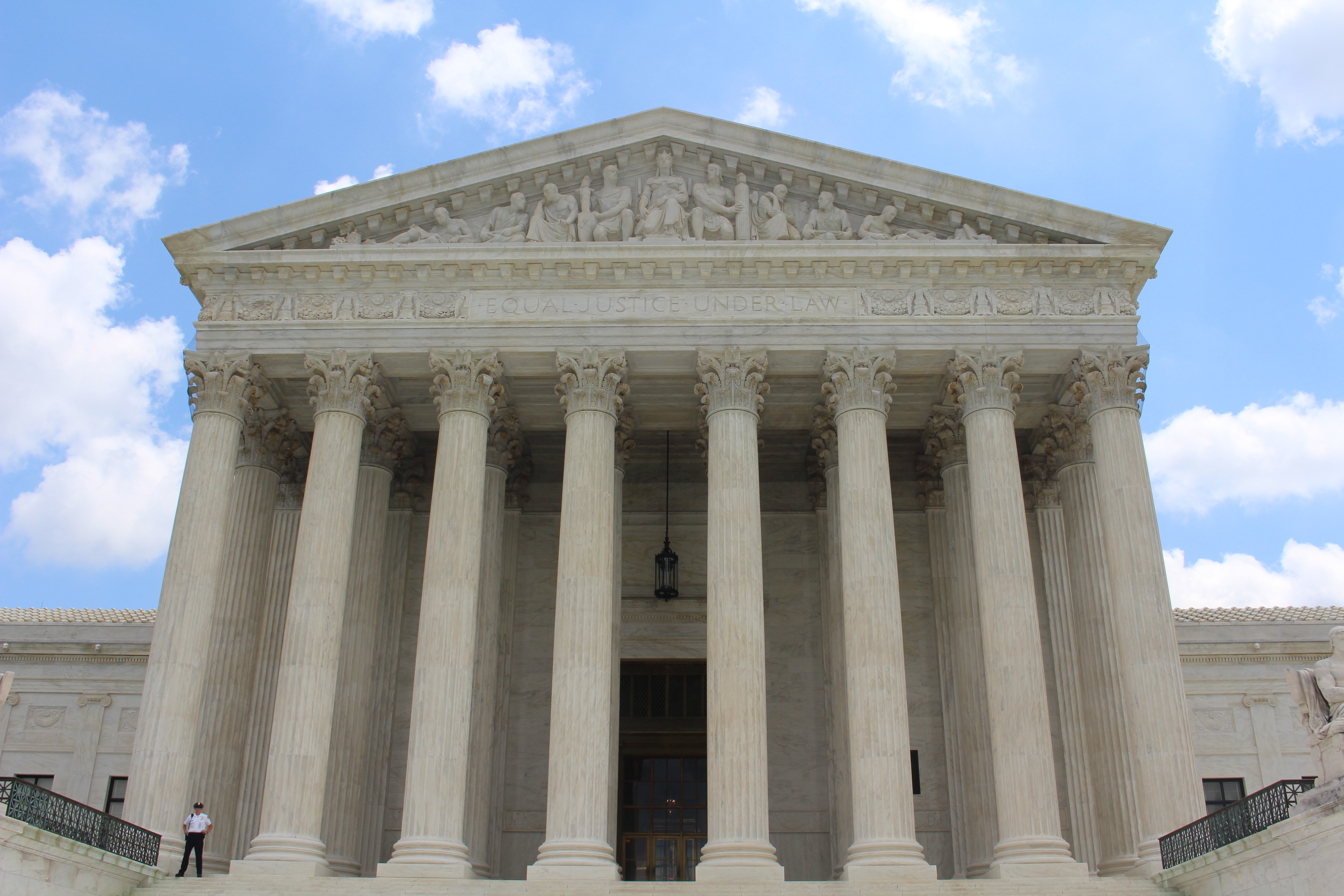
The U.S. Supreme Court upheld birthright citizenship and rejected an executive order from Donald Trump that sought to limit the practice [1, 2, 3].
This ruling preserves a fundamental pillar of U.S. legal identity by ensuring that birth on American soil continues to guarantee citizenship regardless of the parents' legal status. The decision prevents a significant shift in immigration law that would have stripped millions of potential citizens of their legal rights.
The court issued its decision on Tuesday, June 25, 2024 [1, 2]. In the ruling, the justices relied on a long-settled interpretation of the 14th Amendment to the U.S. Constitution [1, 3]. This constitutional provision establishes that all persons born or naturalized in the United States are citizens of the United States, and of the state wherein they reside.
Legal challenges to the executive order centered on whether a president has the authority to override the 14th Amendment through administrative action. The court found that existing federal law and constitutional mandates provide a clear guarantee of citizenship to anyone born within the country's borders [1, 3].
The decision serves as a major legal defeat for the former president's efforts to curtail birthright citizenship. By affirming the existing legal framework, the court has maintained the status quo for generations of immigrant families, ensuring that the legal definition of citizenship remains tied to geography rather than the citizenship status of parents [1, 2].
The ruling was delivered in Washington, D.C., and effectively terminates the legal viability of the executive order in question [1, 2].
“The Supreme Court upheld birthright citizenship and rejected Donald Trump's executive order”
This ruling reinforces the judiciary's adherence to the 14th Amendment over executive mandates. By rejecting the effort to limit birthright citizenship, the Supreme Court has signaled that the constitutional guarantee of citizenship by birth is not subject to presidential discretion, thereby stabilizing the legal status of children born in the U.S. to non-citizen parents.


