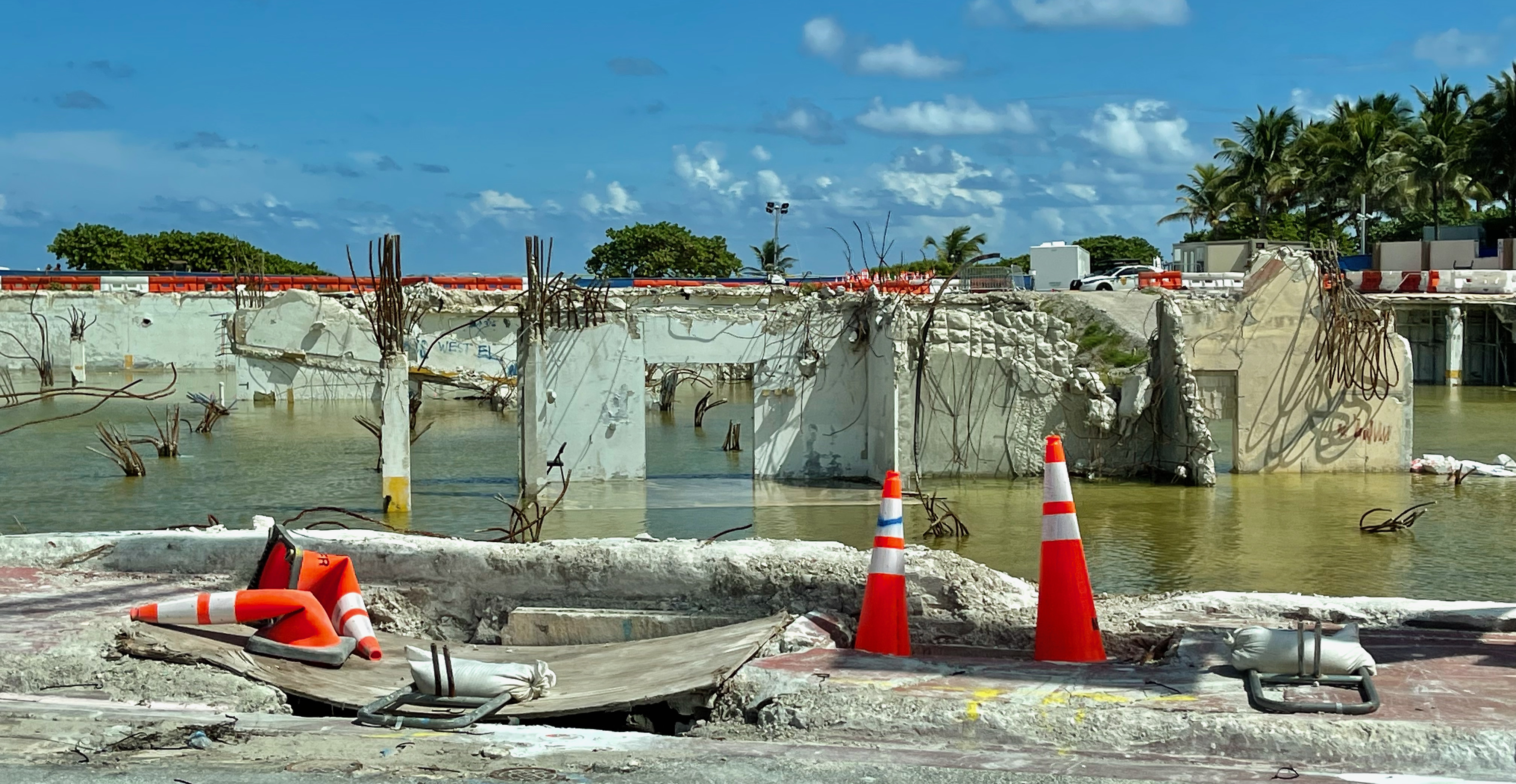
The community of Surfside, Florida, marks five years since the collapse of the Champlain Towers South beachfront condominium [2].
The anniversary highlights ongoing struggles for accountability and the long-term psychological toll on survivors and families. It serves as a stark reminder of the risks associated with aging coastal infrastructure in the U.S.
The disaster occurred on June 24, 2021 [2], resulting in the deaths of 98 residents and guests [1]. The collapse turned a luxury residential building into a field of rubble in a matter of seconds, sparking one of the most complex search-and-recovery operations in Florida history.
Recent investigations into the tragedy indicate that structural failures began weeks before the building finally gave way [5]. These findings suggest that the collapse was not an instantaneous event but the result of progressive deterioration. Despite these revelations, some families of the victims said that insufficient action has been taken to fully address the root causes of the failure [5].
Beyond the technical investigations, the aftermath has been defined by a quest for closure. Families have spent the last five years advocating for a permanent memorial to honor those who died [3]. The process of establishing such a site has been complicated by the legal and emotional weight of the tragedy.
Local officials and engineers have used the Surfside disaster to push for stricter building codes and more frequent inspections of beachfront properties. The event exposed critical gaps in how the state monitors the structural integrity of older condominiums, particularly those exposed to saltwater corrosion.
As the community reflects on the events of 2021, the focus remains on ensuring such a failure does not happen again. The tragedy continues to influence urban planning and safety regulations across the U.S. coastline [3].
“The collapse turned a luxury residential building into a field of rubble in a matter of seconds.”
The Surfside collapse underscores a systemic vulnerability in US coastal real estate, where aging concrete and saltwater intrusion create significant structural risks. The transition from a localized tragedy to a catalyst for legislative change reflects a broader shift toward mandatory recertification of high-rise buildings to prevent similar catastrophic failures.