Suvendu Adhikari took the oath of office today as the first chief minister from the Bharatiya Janata Party (BJP) in West Bengal.
This transition represents a seismic shift in the region's political landscape. The victory dismantles a long-standing stronghold and signals a consolidation of power for the BJP in eastern India.
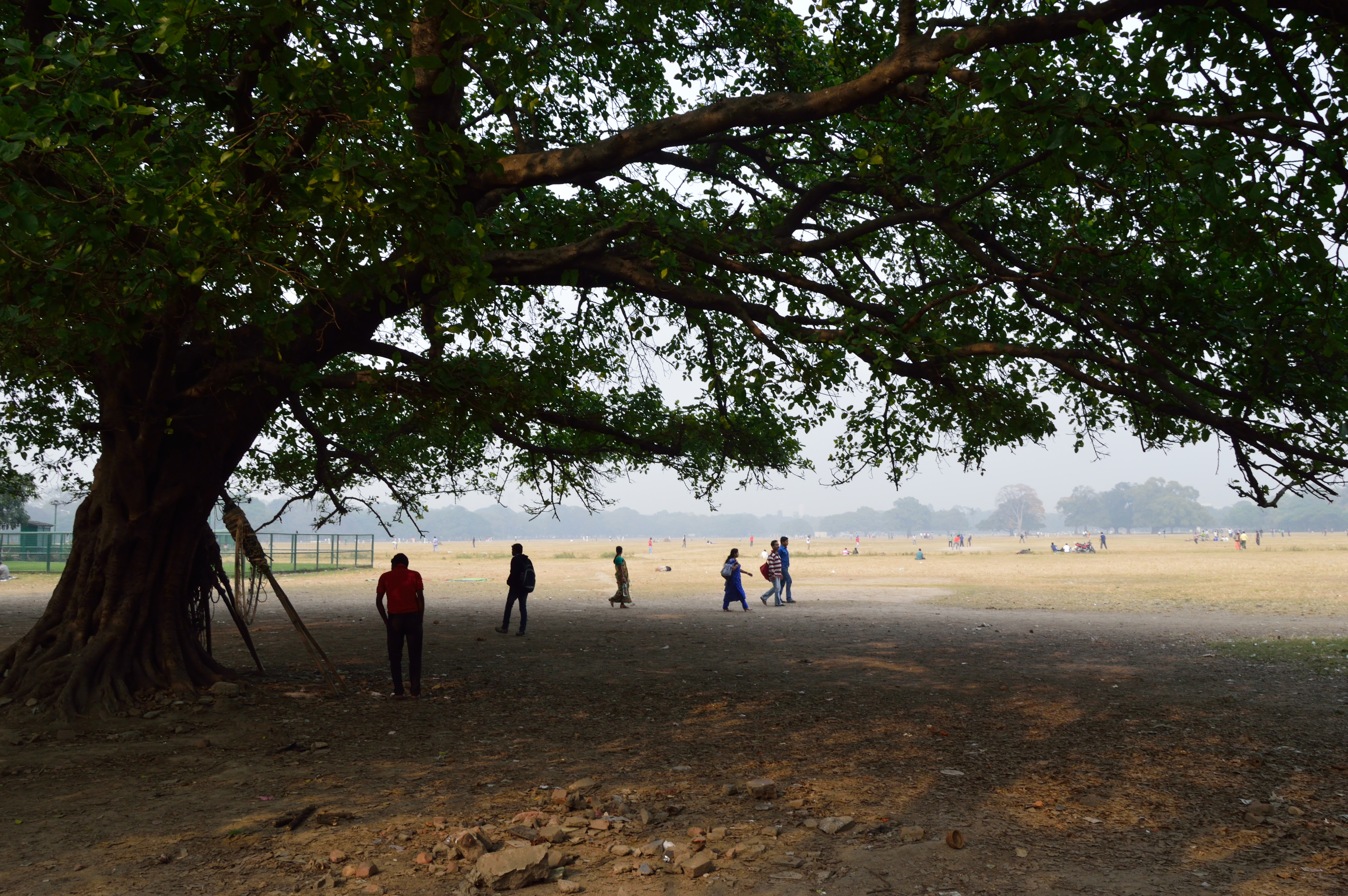
The ceremony took place at the Brigade Parade Ground in Kolkata, where Adhikari was formally sworn into office. Prime Minister Narendra Modi attended the event to witness the transition of power. Following the oath, Adhikari greeted the prime minister in a moment that highlighted the alignment between the state and central governments.
The appointment follows a historic election result in which the BJP secured 207 seats [1]. This victory ended the 15-year rule of the Trinamool Congress [1]. The scale of the win provides the new administration with a significant mandate to implement its policy agenda across the state.
Along with the chief minister, other key figures were appointed to the cabinet. Dilip Ghosh and Agnimitra Paul were among those named as ministers in the new government [1]. The selection of these officials suggests a strategy to balance regional influence, and party loyalty.
The atmosphere at the Brigade Parade Ground remained celebratory as supporters gathered to witness the change in leadership. The event serves as a formal conclusion to the electoral process and the beginning of a new administrative era for West Bengal.
“Suvendu Adhikari took the oath of office today as the first chief minister from the Bharatiya Janata Party (BJP) in West Bengal.”
The installation of a BJP government in West Bengal removes one of the last major regional barriers to the party's dominance in India. By ending 15 years of Trinamool Congress rule, the BJP now possesses a direct corridor of power from the center to the eastern coast, likely streamlining federal initiatives and altering the socio-political dynamics of the state.