Suvendu Adhikari is set to be sworn in as the first chief minister of West Bengal from the Bharatiya Janata Party (BJP) this Saturday [2].
The appointment marks a historic political shift in the state, ending the long-standing dominance of the Trinamool Congress (TMC) and establishing the BJP as the governing power in West Bengal.
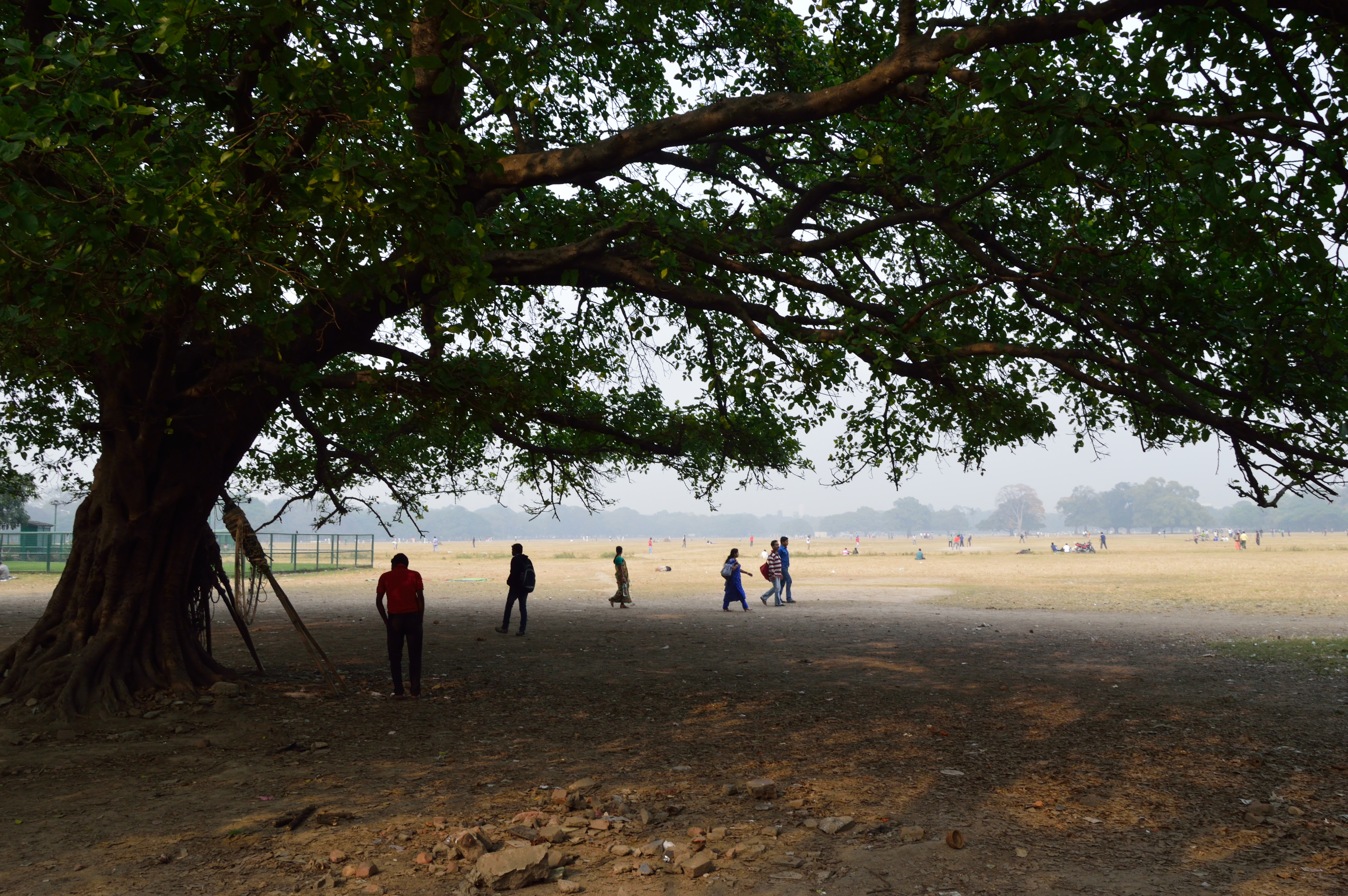
The oath-taking ceremony will take place at the Brigade Parade Ground in Kolkata [2]. Adhikari's rise to the state's highest office follows a series of pivotal political maneuvers and electoral victories that reshaped the regional landscape.
Adhikari previously served as a high-ranking lieutenant within the TMC before his defection to the BJP in 2020 [1]. This move followed a bitter fallout with the TMC leadership, which positioned Adhikari as the BJP's primary challenger against the established order in the state [1, 2].
His political trajectory was further solidified during the 2021 West Bengal Legislative Assembly election [1]. In a high-profile contest, Adhikari defeated Mamata Banerjee in the Nandigram constituency [1, 2]. This victory was a critical blow to the TMC leadership and cemented Adhikari's role as a central figure in the BJP's strategy to capture the state.
Beyond his recent electoral success, Adhikari was a key architect of the 2007 Nandigram movement [1]. That movement played a fundamental role in the broader political realignment of West Bengal years before he switched party affiliations.
The transition of power is expected to bring significant changes to the state's administration. The ceremony at the Brigade Parade Ground serves as the formal commencement of the first BJP-led government in the history of the state [2].
“Suvendu Adhikari is set to be sworn in as the first chief minister of West Bengal from the Bharatiya Janata Party.”
The ascent of Suvendu Adhikari to the chief ministership represents a fundamental break in West Bengal's political tradition. By replacing the TMC's leadership with a BJP administration, the state moves from a regionalist stronghold to the direct influence of India's national ruling party. Adhikari's personal history—moving from a TMC insider to the BJP's champion—symbolizes the broader erosion of the previous political order and the successful penetration of the BJP into a previously resistant electoral bastion.


