Suvendu Adhikari was sworn in as the first BJP chief minister of West Bengal on May 9, 2024 [1].
This transition marks a historic electoral victory for the Bharatiya Janata Party, ending a long period of opposition to the party in the state. The shift in power represents a significant political realignment in eastern India and a symbolic takeover of one of the region's most prominent political venues.
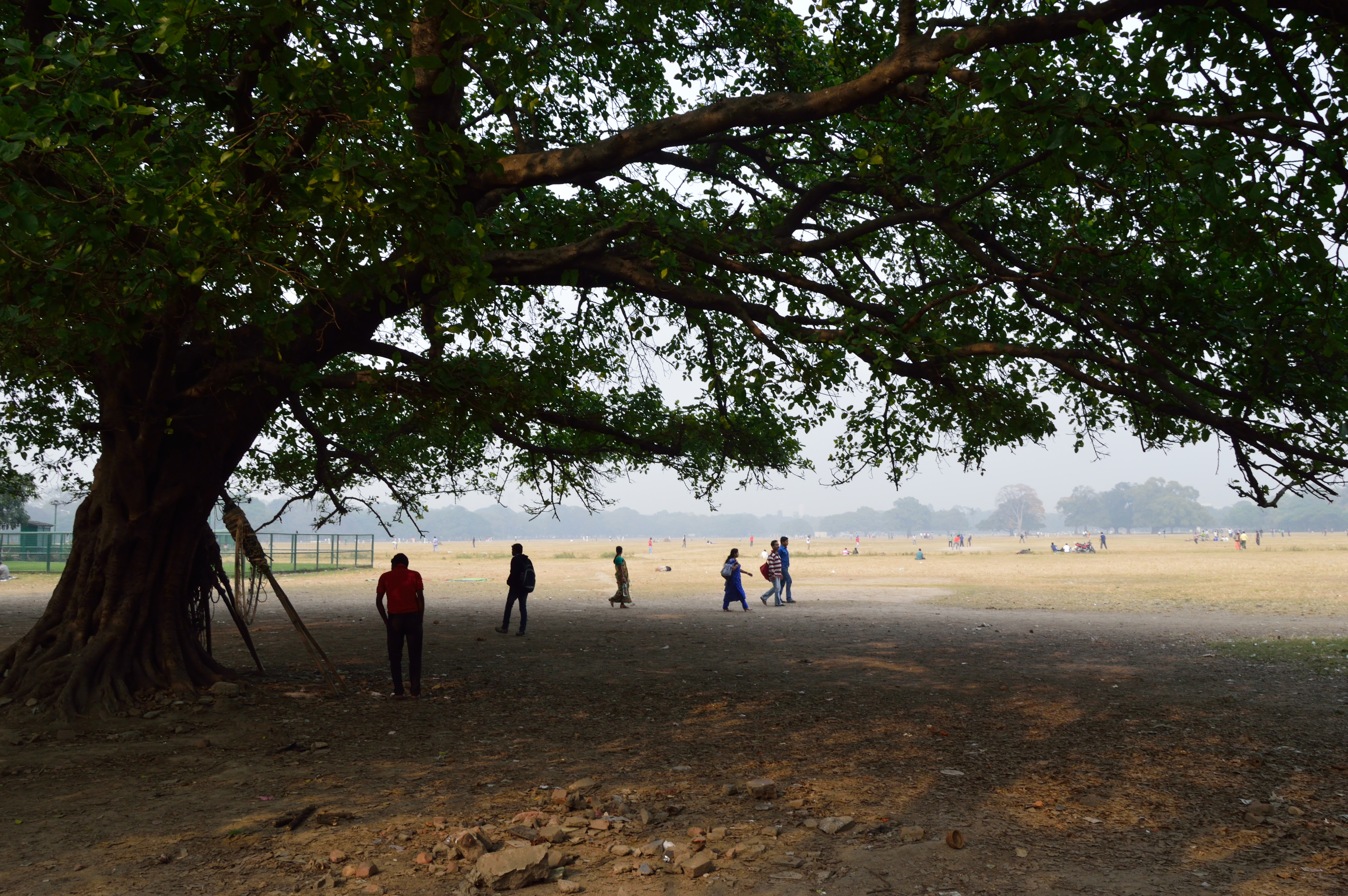
The ceremony took place at the Brigade Parade Ground in Kolkata [1], [2]. The venue, known for its role in massive political rallies, was described as turning saffron to reflect the BJP's victory [1]. The event served as a display of power for the party following a campaign that targeted a wide range of constituencies.
Earlier in the electoral process, Adhikari had predicted a landslide victory for the party. During the first phase of the assembly election, which covered 152 constituencies [3], Adhikari said the BJP would win 125 seats [3].
The victory enables the BJP to form the state government and implement its policy agenda in West Bengal. The party has viewed this win as a template for future national electoral strategies, specifically looking toward the 2029 cycle [2].
Adhikari's ascent to the chief minister's office follows a period of intense competition within the state's political landscape. The shift to a BJP-led government in Kolkata changes the administrative dynamics of the state, bringing it under the same party leadership as the central government in New Delhi.
“Suvendu Adhikari was sworn in as the first BJP chief minister of West Bengal”
The installation of a BJP chief minister in West Bengal breaks a historic stronghold of opposing parties in the state. By securing the Brigade Parade Ground and the chief minister's office, the BJP has not only shifted local governance but has also established a strategic foothold that could influence the trajectory of Indian national politics leading up to 2029.


