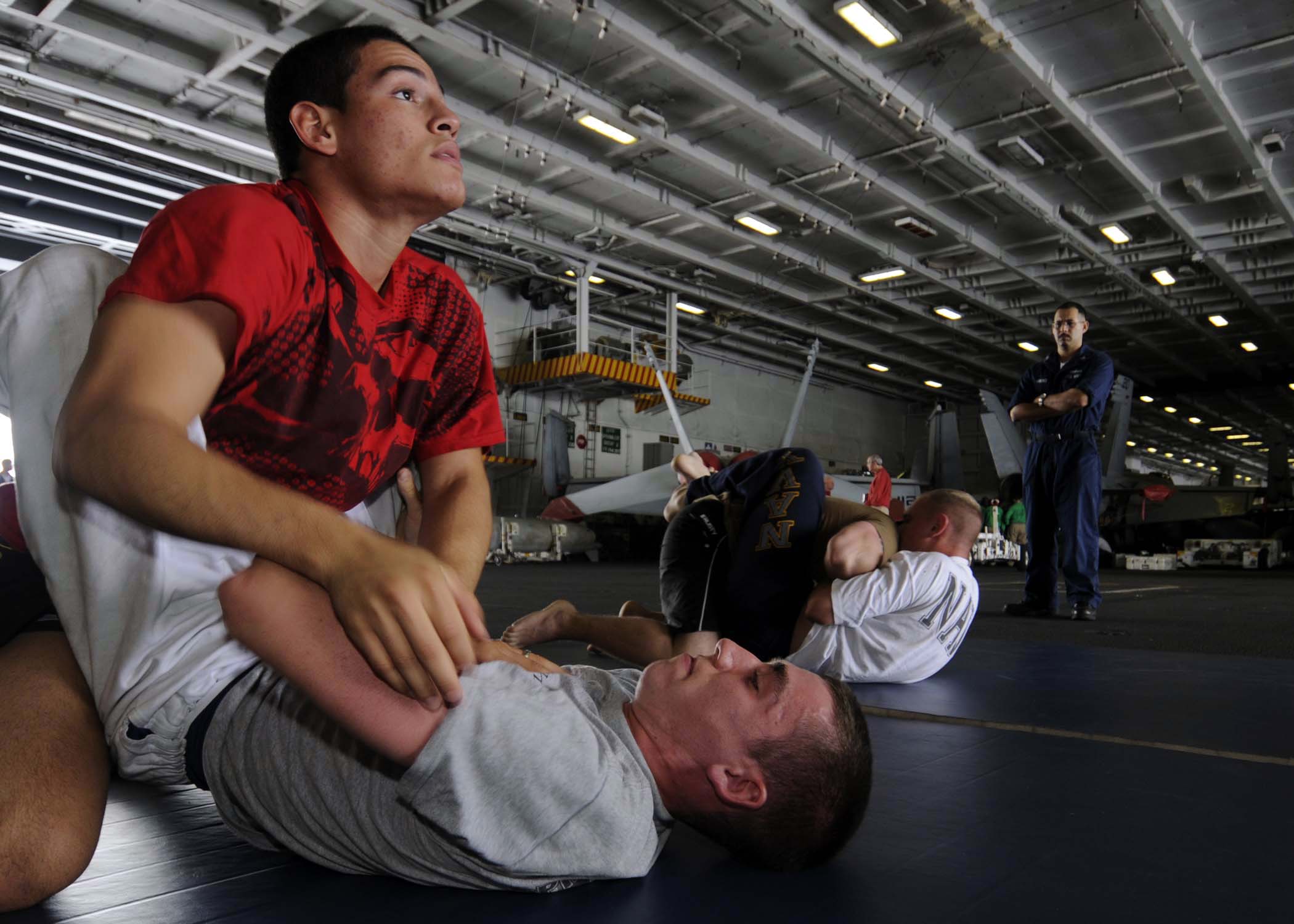
UFC fighter Tabatha Ricci said she is prepared for the physical demands of her upcoming bout at UFC Oklahoma City [1].
Ricci's comments highlight the mental and physical resilience required for professional mixed-martial-arts competition. As athletes prepare for high-stakes events, the ability to manage diverse physical stressors is often a determining factor in their performance.
During the lead-up to the event, Ricci addressed the nature of her training and the specific pressures of the sport. She said that the various directions of physical struggle, both vertical and horizontal, are a standard part of her professional life [1].
"Vertical and horizontal challenges are nothing new for me," Ricci said [1].
The fighter is currently focusing on the final stages of her preparation for the Oklahoma City event [1]. This process involves rigorous conditioning designed to ensure she can handle the unpredictable movements and grappling requirements of a UFC match.
Ricci's perspective suggests a familiarity with the grueling nature of the sport's training camps. By framing these difficulties as routine, she indicates a level of psychological readiness intended to give her an edge in the cage [1].
The UFC Oklahoma City event serves as a platform for fighters to advance their rankings and establish dominance within their respective weight classes. For Ricci, the bout represents another opportunity to apply her training and overcome the physical obstacles inherent in the sport [1].
“Vertical and horizontal challenges are nothing new for me.”
Ricci's emphasis on being accustomed to 'vertical and horizontal challenges' refers to the multi-dimensional nature of MMA, where fighters must transition between standing strikes and ground grappling. Her public framing of these stressors as routine is a common psychological tactic used by professional athletes to project confidence and stability to opponents before a fight.


