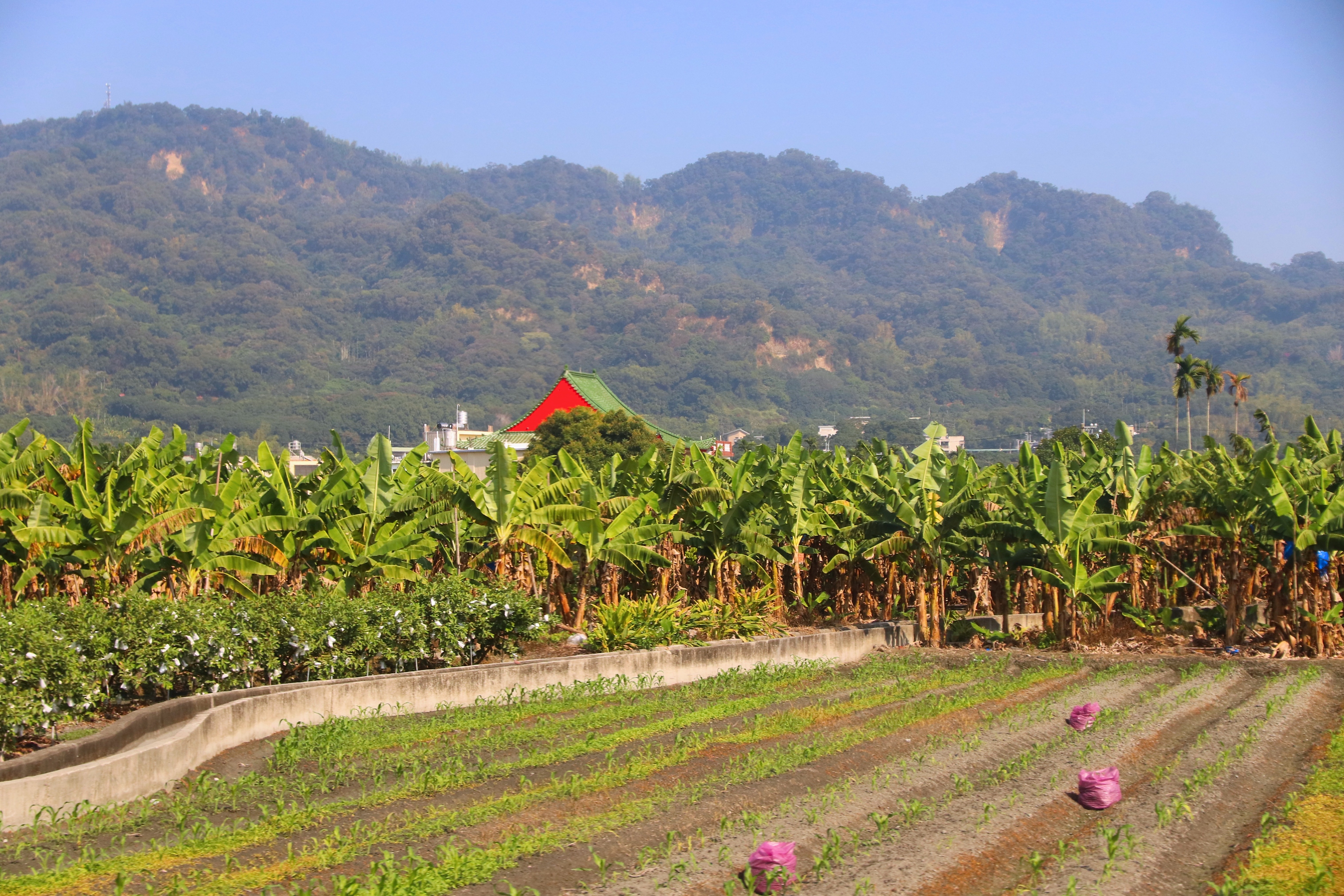
Continuous downpours since early June 2026 have caused more than US$2 million [1] in agricultural losses across southern Taiwan.
The scale of the destruction threatens local food supplies and the livelihoods of growers in two key farming regions. Because the damage occurred just before the peak of the typhoon season, the region faces a precarious recovery period with saturated soils.
The heaviest impact was recorded in Yunlin and Pingtung counties [1]. Farmers in these areas said there was massive destruction of crops following weeks of relentless rain [1]. The losses are attributed to saturated soil and freshwater overflows that drowned root systems and ruined harvests.
Growers are currently struggling to salvage what remains of their produce. The situation has led to intense competition for drying infrastructure, as farmers rush to process remaining crops before they rot in the humid conditions [1].
Local agricultural officials said the timing of the rains is particularly damaging. The continuous precipitation began in early June 2026 [1], leaving the land unable to absorb further water. This lack of drainage increases the risk of landslides and further crop failure as the region prepares for upcoming seasonal storms.
Total losses are currently estimated at US$2 million [1], though final figures may shift as more fields in the southern districts are fully assessed. The devastation spans multiple crop types across the affected counties, impacting both small-scale family farms, and larger commercial growers.
“Continuous downpours since early June 2026 have caused more than US$2 million in agricultural losses.”
The intersection of early-season flooding and the looming typhoon season creates a compounded risk for Taiwan's agricultural stability. When soil reaches a saturation point, subsequent storms cause disproportionately higher damage, meaning the US$2 million in current losses may serve as a baseline for further escalation if the weather patterns persist.


